

.jpg)


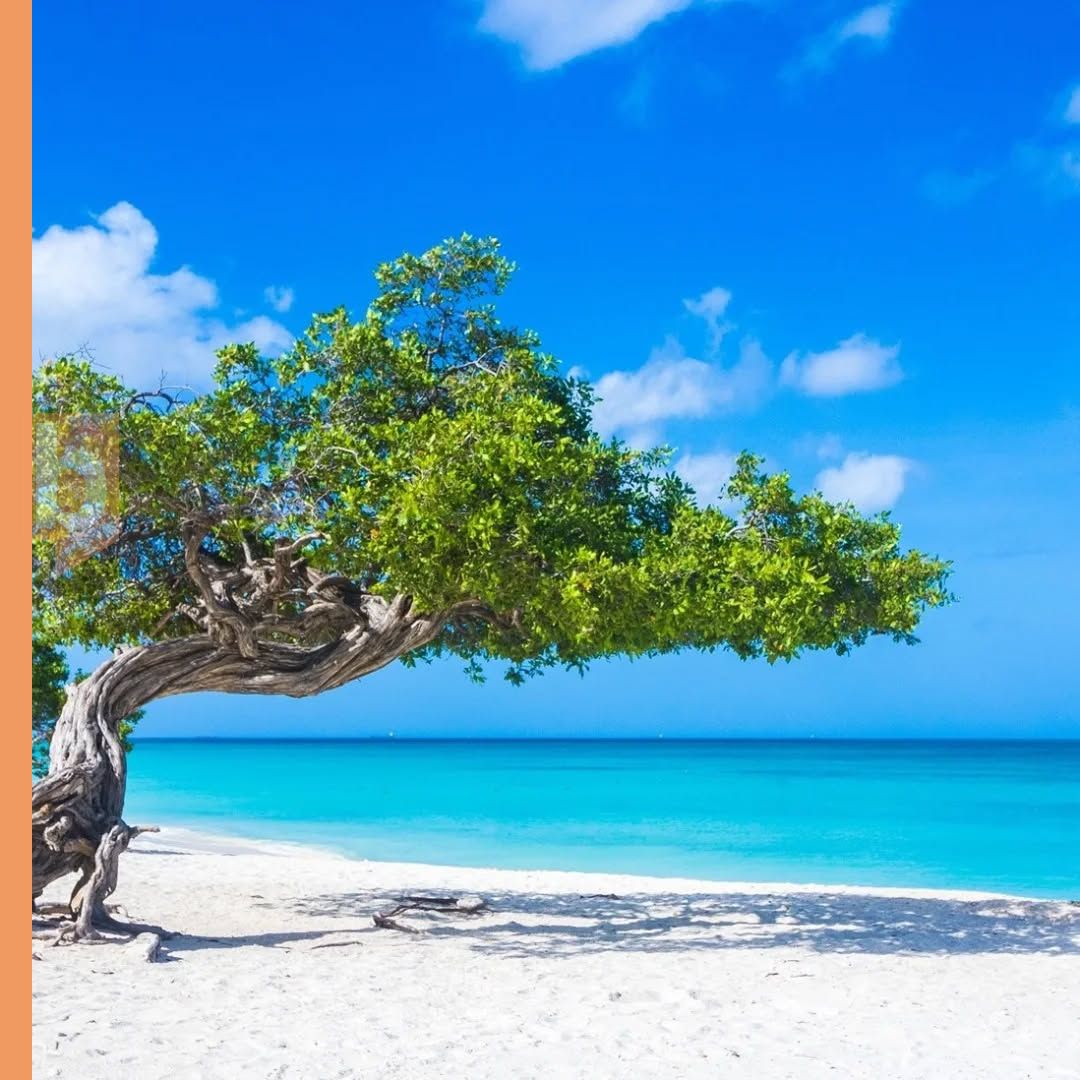
ORANJESTAD/GREAT BAY--Aruba has officially been designated as a UNESCO Biosphere Reserve, a development being viewed as a milestone for the Dutch Caribbean and a strong signal of the growing regional focus on sustainability, biodiversity protection, and responsible development.
The designation was approved on June 5, 2026, during the 38th session of the UNESCO Man and the Biosphere Programme International Coordinating Council in Hernandarias, Paraguay. According to UNESCO, the Aruba Biosphere Reserve recognizes the entire island as part of UNESCO’s World Network of Biosphere Reserves.
The reserve covers approximately 19,300 hectares and includes Aruba’s Exclusive Economic Zone of nearly 3 million hectares. UNESCO noted that the designation reflects the island’s natural and cultural value, including its semi-arid landscapes, coastal ecosystems, mangroves, seagrass beds, coral reefs, rare species, and the connection between environmental protection and livelihoods.
UNESCO described biosphere reserves as “learning places for sustainable development,” where countries test approaches that balance conservation, sustainable use, cultural diversity, education, research, and long-term resilience.
The designation is especially relevant for St. Maarten, where work has already begun toward establishing the country’s first Man and the Biosphere Reserve. UNESCO previously reported that on November 19 and 20, 2025, local, regional, and international experts gathered in St. Maarten for a workshop organized by the UNESCO Office for the Caribbean and the Ministry of Public Housing, Spatial Planning, Environment and Infrastructure.
That workshop marked an important step in St. Maarten’s own process. Discussions centered on how a biosphere reserve could support environmental management, sustainable development, international cooperation, and stronger engagement among government, civil society, scientists, communities, and the private sector.
Minister of VROMI Patrice Gumbs, during the St. Maarten workshop, underscored that sustainable development is not only about what is built, but also how it is built and whom it benefits. He also emphasized the importance of recognizing people as part of the ecosystem and not separate from it.
St. Maarten has two areas under consideration for conservation, with the broader challenge being how to strike a balance between development, environmental protection, effective management, funding, and public-private cooperation.
Aruba’s designation now gives the Dutch Caribbean a clear regional example of what can be achieved through a structured and inclusive process. UNESCO said Aruba’s achievement was the result of cooperation among government institutions, local communities, civil society, scientists, and private sector stakeholders, with technical assistance from the UNESCO Regional Office for the Caribbean.
Before Aruba’s designation, the English and Dutch-speaking Caribbean region counted only two biosphere reserves: the Saint Mary’s Biosphere Reserve in St. Kitts and Nevis and the North-East Tobago Biosphere Reserve in Trinidad and Tobago. Aruba now strengthens the Caribbean’s presence in the global network.
For St. Maarten, the development provides both inspiration and urgency. As a small island facing pressure on land use, marine resources, coastal areas, tourism development, climate resilience, and environmental governance, the biosphere reserve model could offer a practical framework for balancing growth with protection.
The Aruba designation also opens the door for stronger regional cooperation among Caribbean islands pursuing similar goals. UNESCO noted that biosphere reserves allow countries to share lessons, benefit from global scientific knowledge, and apply local solutions to global challenges.
St. Maarten’s continued work with UNESCO places the country within that wider regional movement. While Aruba has now reached official designation, St. Maarten’s process remains an important opportunity to define how the country protects its natural assets while supporting sustainable development for future generations.
Join Our Community Today
Subscribe to our mailing list to be the first to receive
breaking news, updates, and more.
