

.jpg)


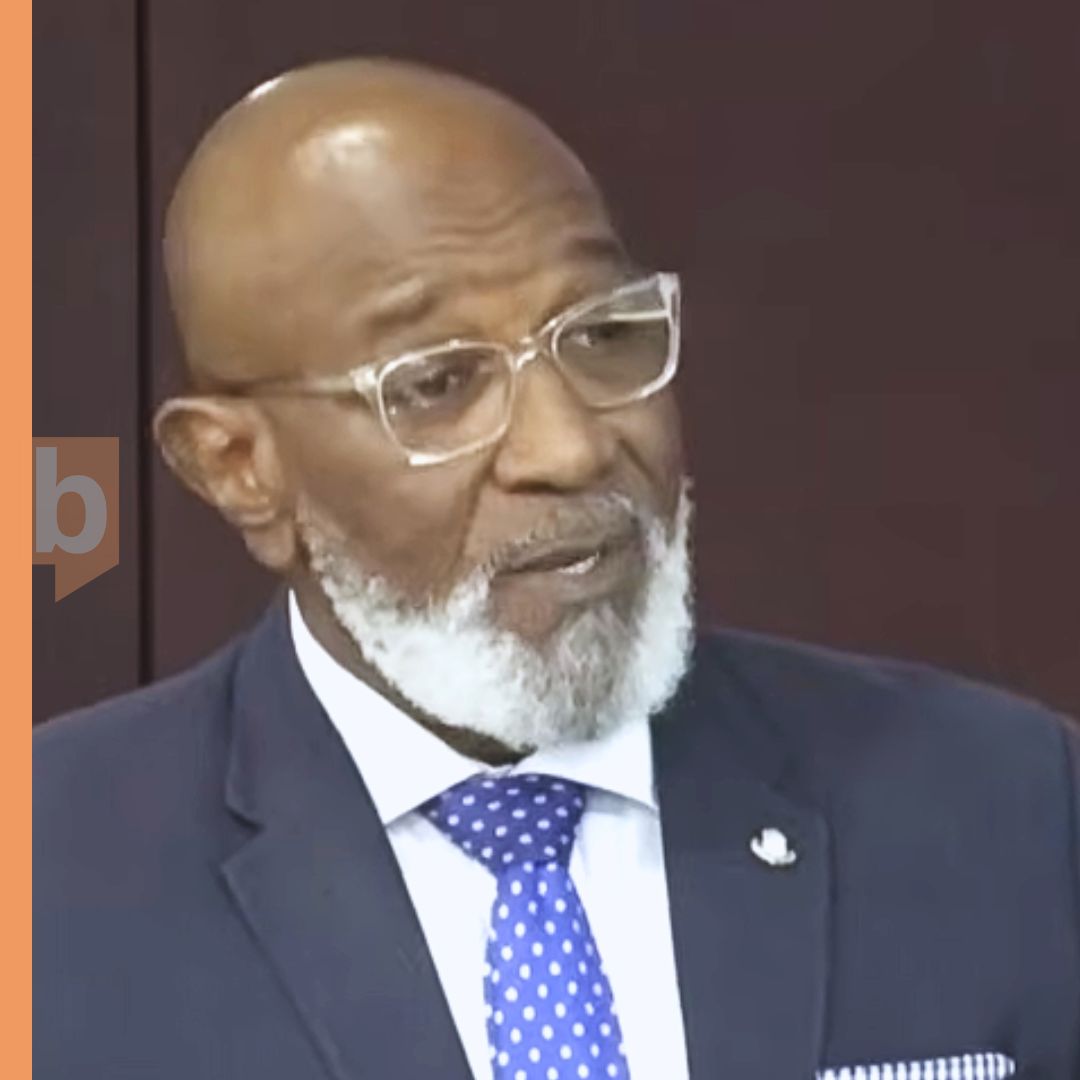
GREAT BAY--Minister of Public Health, Social Development and Labor Claret Connor presented a 2026 VSA budget of just under XCG 109 million, an increase of approximately 12 percent over 2025, while stressing that much of the Ministry’s funding is already committed to healthcare, social assistance and other essential obligations.
Connor told Parliament during the 2026 Budget debate that the Ministry is attempting to balance continuity with reform at a time when demand for medical assistance, social protection and labor services continues to grow while Government’s fiscal and human-resource capacity remains limited.
“This budget is about people,” Connor said. “It is about the health of our community. It is about protecting those who are most vulnerable. It is about creating opportunities for people to participate and contribute in society.”
The Minister said VSA will continue protecting essential services while investing in prevention, access to healthcare, employability, community resilience and reforms intended to strengthen the systems residents depend on.
Most of Material Budget Already Committed
Personnel costs for 2026 amount to approximately XCG 55.78 million, an increase of 2.6 percent, primarily driven by vacancies being filled and the need to maintain service capacity.
Material costs total approximately XCG 52.97 million, representing an increase of about 24 percent. However, Connor said that once external funding is removed, the Ministry’s material-cost budget falls to approximately XCG 41.07 million, which would actually represent a 4.2 percent decrease compared with 2025.
The largest material expenditure is Medical Assistance at XCG 22 million, followed by Social Assistance at XCG 8.2 million.
Accounting, advisory services and Service Level Agreements account for approximately XCG 11.48 million, much of which is linked to reforms, while Government’s contribution to SZV amounts to XCG 5.5 million. Projects and activities account for approximately XCG 3.16 million.
Connor said approximately 67 percent of VSA’s costs are tied to fixed operational expenditures, including Medical Assistance, Social Assistance and contributions to SZV.
Only about 6 percent, or XCG 3.1 million, is designated for projects and activities, meaning the Ministry has to be highly selective about where it invests in service improvements and future needs.
Public Health Focuses on Prevention, Access and Safety
Connor outlined four main pillars for public health in 2026.
The first centers on access and prevention, including improving access to care and conducting disease-prevention and Emergency Medical Services awareness campaigns.
The second includes initiatives involving mental health legislation, non-communicable and communicable diseases, immunization and other prevention programs.
The third focuses on quality and safety through inspections, training, ambulance staff certification and development of event-related health policies.
The fourth involves capital investments in vehicles and equipment for the Ambulance Service, Collective Prevention Services and the Public Health Inspectorate.
The Ministry has approximately XCG 1.19 million in capital investment planned, including roughly XCG 931,000 for vehicles across VSA and XCG 258,000 for disaster-response purposes.
Social Assistance Must Also Help People Regain Stability
On social development, Connor said the Ministry’s focus will remain on vulnerable groups, resilience and inclusion.
Programs include continued development of the Social Register System, intended to support case management and empowerment, as well as subsidies supporting shelters, seniors, youth, homelessness initiatives, parenting programs and other social services.
Disaster preparedness will also continue through Emergency Support Function 7, including annual training and emergency-response exercises.
Connor said social policy should go beyond simply providing assistance when people encounter hardship.
“Our objective is not only to provide assistance when people find themselves in difficulty, but also to strengthen the systems that help people regain stability, participate in society and, where possible, become more self-reliant.”
Job Placement and Employability Among Labor Priorities
The Ministry’s labor agenda is structured around three areas: job placement, labor relations and employability.
VSA intends to improve matching between jobseekers and available positions through better services, labor-market information and the National Employment Service Centre job portal.
The Ministry also intends to strengthen labor relations, compliance and legal support, including recruitment of a permit officer.
For people currently receiving assistance, VSA plans to increase employability through workshops, training initiatives and career expos designed to better prepare participants for the labor market.
Connor said labor policy ultimately concerns people seeking opportunities to support themselves and their families while contributing to St. Maarten’s development.
Country Package Reforms Continue
Country Package reforms also remain an important component of the Ministry’s 2026 work.
These include reforms involving healthcare, social protection, labor-market development and the integration of work and residence permit procedures.
Connor said the aim is to modernize systems so that Government services become easier to access, more responsive and capable of reaching residents with fewer administrative barriers.
The Minister acknowledged, however, that the Ministry’s available resources do not fully match the scale of its mandate.
VSA has budgeted for only three vacancies in 2026, totaling approximately XCG 297,000, which Connor said will provide some additional support but will not resolve the Ministry’s wider capacity shortages. Another XCG 413,000 has been set aside for third-party hiring where internal capacity is constrained.
He said those limitations require VSA to make deliberate decisions about which services and reforms receive priority.
“The needs of our population continue to grow, while our financial and human resources remain limited,” Connor told Parliament. “We will therefore have to make choices, set priorities, and find better and more efficient ways of delivering the services entrusted to us.”
Connor nevertheless stressed that limited resources should not translate into limited ambition for healthcare and social protection.
The 2026 Budget, he said, allows VSA to protect essential services while continuing reforms in healthcare, social protection and the labor market, even if some initiatives will require several years before their full impact becomes visible.
“Our ultimate goal is simple: a healthier St. Maarten, with a labor market that gives our people the opportunity to participate and prosper in a society that protects and supports those who need it,” Connor concluded.
Join Our Community Today
Subscribe to our mailing list to be the first to receive
breaking news, updates, and more.
