

.jpg)

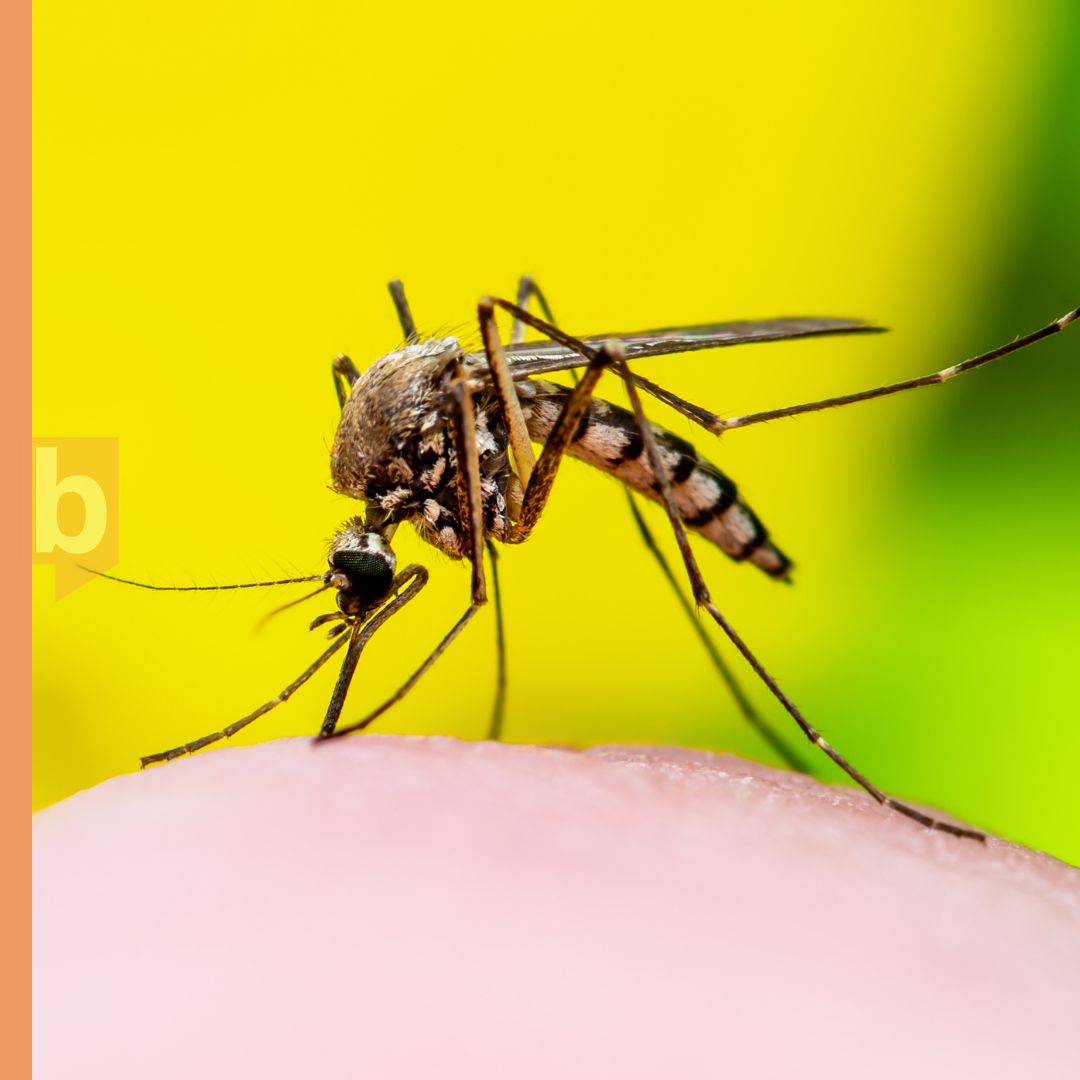
UTRECHT, Netherlands--Dutch health authorities have confirmed the death of a person who contracted West Nile virus within the Netherlands, providing further evidence that the mosquito-borne virus is now circulating locally. The National Institute for Public Health and the Environment, RIVM, confirmed Wednesday that the individual, from the province of Utrecht, died in hospital after becoming infected in the Netherlands.
The case is significant because the infection was acquired domestically rather than during travel abroad. Three West Nile virus infections reported in the Netherlands so far in 2026 are believed to have been contracted within the country. At least one other person diagnosed with the virus is currently receiving hospital treatment.
RIVM has not released further details about the person who died, citing privacy and respect for the family. Dutch media reported that the individual was elderly and in poor health. The fatal case is separate from the West Nile infection identified earlier this month in a blood donor in Utrecht. That case, announced on August 17, was considered locally acquired because the person had not recently traveled abroad.
The emergence of locally acquired cases indicates that infected mosquitoes are present in the Netherlands and capable of transmitting the virus to humans. West Nile virus has also been detected this year in Utrecht, Noord-Brabant and Zuid-Holland, with infections or evidence of the virus found among mosquitoes, birds and horses. Several horses have been diagnosed since early August, while other suspected equine cases are being investigated.
West Nile virus is primarily transmitted to humans through the bite of an infected mosquito. Approximately 80 percent of people who become infected experience no symptoms. Most of those who do become ill develop relatively mild, flu-like symptoms, while a small percentage can develop serious neurological complications, including inflammation of the brain. According to DutchNews, approximately one percent of infected persons develop severe neurological illness, and a small number of those cases can be fatal.
Health authorities have stressed that the development should not be interpreted as the beginning of a pandemic. West Nile virus does not normally spread directly from person to person. Humans and horses can become seriously ill after infection, but they generally do not develop levels of the virus in their blood high enough for another mosquito to pick it up and continue the transmission cycle.
The virus was first detected in people in the Netherlands in 2020, when a small cluster of locally acquired cases was identified around Utrecht and Arnhem. Its reappearance and detection in several areas in 2026 has prompted RIVM to ask doctors across the country to remain alert for patients displaying symptoms consistent with West Nile fever.
Mosquitoes capable of transmitting the virus are particularly active around dusk. People in areas where the virus has been detected are advised to reduce their exposure to mosquito bites, including by covering exposed skin during periods of increased mosquito activity. RIVM continues to stress, however, that the overall chance of contracting West Nile virus in the Netherlands remains very small.
The Utrecht death follows another reported West Nile-related death involving a woman from Drenthe earlier this month. That case was different because health authorities believe the woman became infected while traveling in southeastern Europe, where she first developed symptoms. The latest Utrecht case is therefore notable because the infection occurred within the Netherlands itself.
The confirmation comes as health authorities continue monitoring the spread of West Nile virus among mosquitoes, birds, horses and humans. The locally acquired infections recorded this year demonstrate that the virus is circulating within the Netherlands, although authorities continue to characterize the risk to the general population as very low.
Join Our Community Today
Subscribe to our mailing list to be the first to receive
breaking news, updates, and more.
