.jpg)


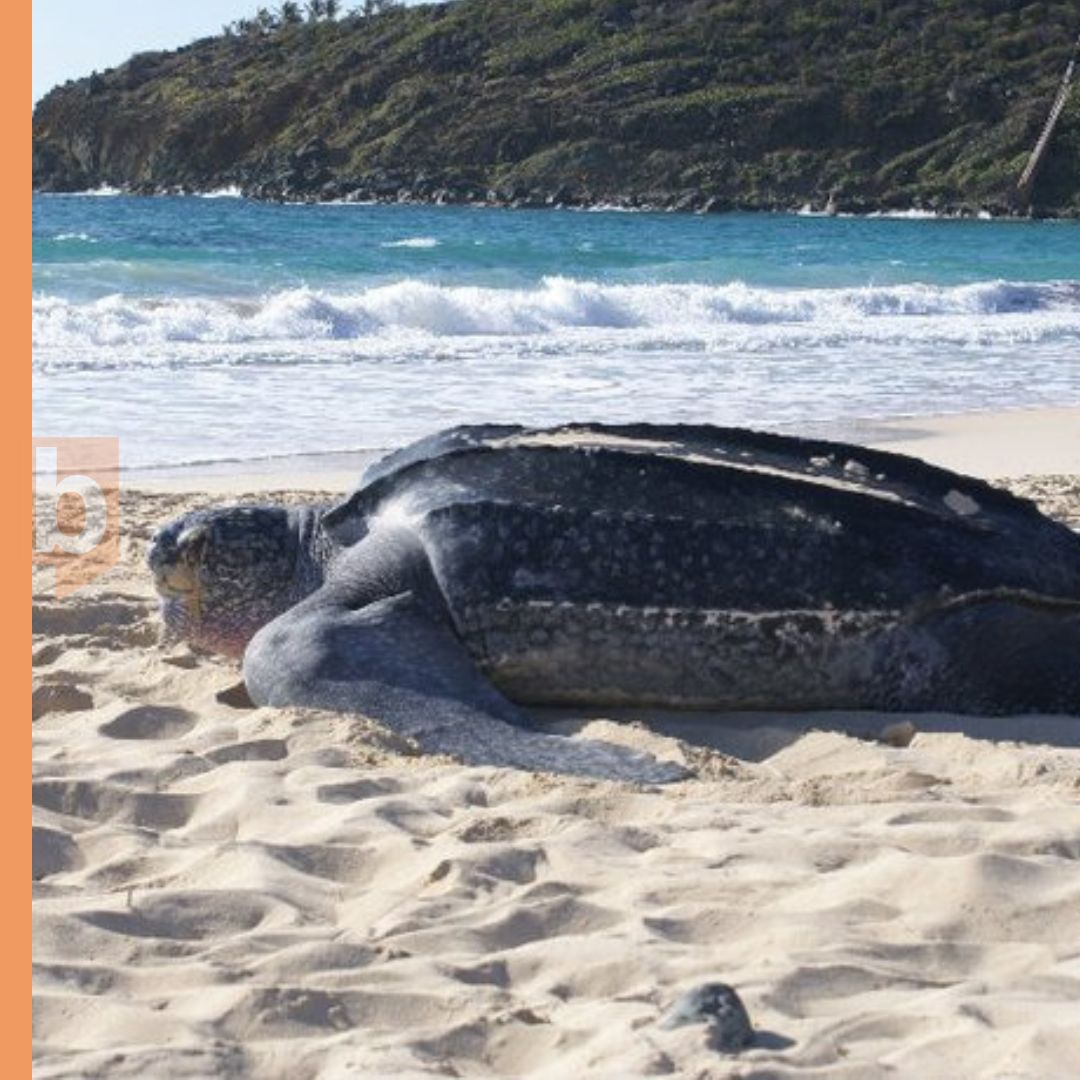
GREAT BAY--Following multiple incidents of serious disturbance to sea turtles in St. Maarten during the 2025 nesting season, the Nature Foundation is asking residents and visitors to approach these locally protected species with greater care and vigilance in the coming season. The next four months are expected to bring a rise in sea turtles coming ashore to lay their eggs, putting these vulnerable animals at risk of injury, death, or abandoned nesting attempts.
From roughly May through December, three species of sea turtle, the green, hawksbill, and leatherback, are known to nest on St. Maarten's shorelines. Simpson Bay, Dawn Beach, and Gibbs Bay are among the most visited nesting sites, though nesting has been recorded on additional beaches.
Females drag themselves onto the beach at night or in the early morning, dig a hole in the sand with their flippers, and can lay upwards of 100 eggs before covering the hole and returning to the sea, leaving the eggs to hatch on their own between approximately 40-80 days.
As a heavily developed island with few natural beaches remaining, St. Maarten poses significant challenges for these animals. Sea turtles are easily disturbed by harsh white light, especially flickering light, and can become trapped or blocked by obstacles such as wooden benches, concrete foundations, and plastic chairs.
Physical harassment, touching a turtle or approaching it with a dog, often causes unnecessary stress and can lead to nest abandonment. Despite these challenges, some sea turtles return to nest every few years, with some returning to the very beach where they hatched.
Under the Nature Ordinance, harassing protected species such as sea turtles and their eggs is prohibited.
However, during the 2025 nesting season, the Nature Foundation recorded multiple violations of this regulation, both intentional and unintentional, including:
- Pelican Key: An unreported nest was found with its eggs exposed and trampled by guests at a nearby beach bar; Nature Foundation staff had to relocate the nest.
- Simpson Bay: A female that came ashore to nest beside a bed and breakfast was startled off by onlookers filming her and blocked by wooden tables.
- Guana Bay: A female was attacked by a pack of free-roaming dogs. The turtle is believed to have died before the attack, but was found with bite marks and torn tissue on her limbs consistent with dog wounds; audio and video footage of an active dog pack in the area that night and morning supported this finding.
- Cay Bay (Indigo Bay): Newly hatched turtles were allegedly dug out of their nest by a tourist, who was witnessed pulling them out and carrying them, along with his family members, into the ocean. Hatchlings must crawl to the ocean unassisted and should never be disturbed.
- Simpson Bay: A woman was reported picking up hatchlings from the sand and taking selfies with them.
The Nature Foundation is asking community members to take pride in this remarkable natural phenomenon and to help educate friends and family to improve outcomes for the coming nesting season. These animals deserve respect and space.
If you come across a nesting female or hatchlings leaving the nest, please do the following:
- Report immediately: Call +1 (721) 544-4267 (business hours) or WhatsApp +1 (721) 581-6365 (after hours). On French Saint-Martin, contact the managers of the Réserve Naturelle de Saint-Martin via WhatsApp at +590 690 47 02 13 or +590 690 34 77 10.
- Keep it dark: Turn off bright white lights, flashlights, and camera flashes. If you are on a beachfront property, draw your curtains closed at night and keep it as dark as possible.
- Maintain your distance: Stay at least 15 meters (~50 feet) away, move slowly or remain still, and be quiet.
- Leash pets: Keep dogs restrained and away from the area. If they are barking, remove them entirely.
- Speak up: Kindly educate anyone you see disturbing a turtle or nest, or report them to the numbers above.
Join Our Community Today
Subscribe to our mailing list to be the first to receive
breaking news, updates, and more.