.jpg)


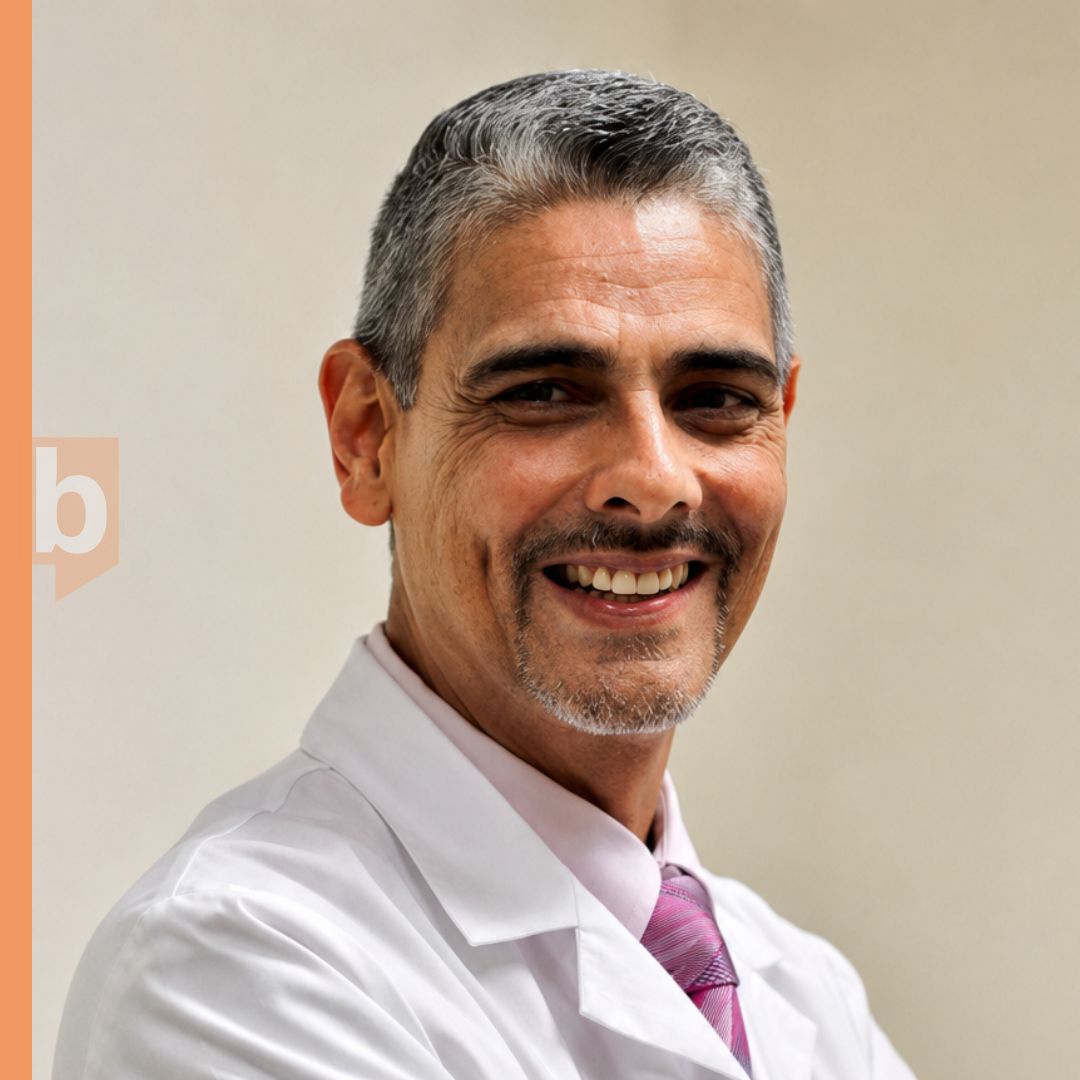
GREAT BAY--As St. Maarten continues working through the policy, legal and regulatory questions surrounding cannabis, physician and policy advisor Dr. Joseph Rosado has outlined a framework aimed at ensuring that development of the sector is accompanied by clear medical standards, product controls, community safeguards and mechanisms to measure its impact.
Rosado presented “Medical Cannabis and Public Health: Building a Responsible Framework for St. Maarten” during the St. Maarten Cannabis Regulation Symposium at the University of St. Martin on August 14, adding a clinical and public-health perspective to a much wider national discussion that also involves economic opportunity, licensing, cultivation, distribution, law enforcement and the structure of a potential regulated cannabis market.
The presentation comes as cannabis regulation remains an active government policy issue. St. Maarten's interministerial process was established to examine the social, health, legal and economic implications of cannabis reform and to develop a legal and regulatory framework addressing cultivation, processing, testing, distribution and consumption. The country's governing program also identifies cannabis as a potential new economic sector, including opportunities for local entrepreneurs, employment and economic diversification, while stressing the need for regulation and safety controls.
The subject has also generated increased political discussion in recent weeks. Prime Minister Dr. Luc Mercelina told Parliament in August that major policy questions still have to be answered before final decisions are taken on the direction of cannabis legislation, including the type of market St. Maarten ultimately intends to establish and whether government has the capacity to properly regulate and enforce it.
Against that backdrop, Rosado's contribution focused on what should accompany any eventual regulatory system if medical cannabis forms part of it.
His position is that licensing and commercial development should not advance without the rules and institutions needed to support the system around them. He told the symposium that St. Maarten should first clearly define the medical component, establish regulatory safeguards and then allow activity to develop in phases.
“If licensing comes first, safeguards become expensive corrections,” one of the central messages of his presentation stated.
Rosado argued that regulation should be designed to simultaneously deliver patient access, public safety and public trust. Patients who may benefit from cannabis should have a lawful and clinically supervised route to access, while authorities should be able to control product quality, reduce diversion, establish rules for responsible use and demonstrate that the system is being properly supervised.
His proposed approach is built around five pillars: protecting patients, equipping clinicians, controlling products, protecting the community and measuring outcomes.
For patients, Rosado proposed a defined clinical pathway beginning with documentation of the medical condition and previous treatment history. A clinician would then assess potential benefits, risks, medication interactions and treatment objectives before the patient obtains a tested and traceable product through an authorized supply system.
Follow-up would form part of the process, allowing healthcare providers to determine whether treatment is producing a benefit, whether adverse effects are occurring and whether continued use remains appropriate.
“A medical program should look and behave like healthcare,” Rosado stated. “The patient enters through an assessment, not through product selection.”
Rosado also identified physicians and pharmacists as important parts of the regulatory structure where cannabis is being used medically.
Physicians, according to the framework, would determine clinical appropriateness, identify contraindications and drug interactions, monitor benefits and possible harm and discontinue treatment when established goals are not being achieved. Pharmacists could assist with product verification, dosing and storage information, medication interaction screening and the reporting of adverse effects.
He stressed, however, that these responsibilities should be accompanied by training and professional guidance.
“Training must precede responsibility,” the presentation stated.
Rosado devoted another part of the presentation to product standards, an issue that would have implications beyond healthcare as St. Maarten determines how a regulated cannabis supply chain could operate.
He identified identity, potency, purity, consistency and traceability as five essential product considerations. Regulators should know which cannabinoids and other ingredients are contained in a product, how much is present, whether contaminants remain within established limits and whether one production batch is consistent with another.
Traceability would also allow authorities to follow products through the system and conduct recalls when necessary. Rosado proposed validated testing, standardized labeling, batch records and adverse-event reporting as basic elements of such a framework.
Youth protection was another area identified for regulation. Rosado recommended controls covering the product itself, packaging, promotion and access, including restrictions on cannabis products designed to appeal to children, child-resistant packaging, clear potency information, restrictions on youth-oriented marketing and proper age verification.
The issue fits within the broader debate now taking place over how St. Maarten could move from an illicit cannabis environment to a regulated one. Tourism and Economic Affairs Minister Grisha Heyliger-Marten told the August symposium that cannabis already exists in the country without formal oversight of product quality, potency or access, and argued that regulation should not be confused with promoting cannabis use.
Rosado also proposed creating a registry capable of giving policymakers and healthcare professionals useful information about how the medical component of the system is functioning.
The registry could capture a patient's baseline condition and previous therapies, the cannabis product and dosage being used, the method of administration and product batch, followed by information on benefits, adverse events and discontinuation.
Rather than gathering information simply for administrative purposes, Rosado said the results should be regularly reviewed and used to improve regulations and clinical practice.
“Data collection without feedback is bureaucracy. Data that changes rules is governance,” he stated.
Rosado ultimately recommended a phased approach to implementation.
His model would begin with establishing legal authority, standards and the government agencies responsible for overseeing the system. A medical pilot could then introduce trained clinicians, authorized products and a patient registry before moving toward controlled expansion supported by inspections, public reporting and additional regulatory capacity.
A formal review would examine outcomes, developments in the illicit market and areas where the rules may need to be changed before further expansion.
“Expansion should be earned by evidence, not assumed by calendar,” Rosado stated.
He described phasing not as a reason to indefinitely postpone cannabis reform, but as a way to introduce a new regulatory system while giving St. Maarten an opportunity to measure what is working and make adjustments as the sector develops.
His presentation therefore adds another component to a cannabis discussion that is already much broader than the question of whether the country should legalize or regulate the plant. The decisions ahead include who will be permitted to participate in the industry, how cultivation and distribution will be controlled, how products will be tested, what medical access will look like, how young people will be protected, how enforcement will operate and what economic opportunities should be created for St. Maarten.
Rosado's recommendation is that these pieces should develop together rather than allowing one part of the industry to advance far ahead of the others.
“Protect patients. Equip clinicians. Control products. Measure outcomes. Expand only when evidence supports it,” his presentation concluded.
Join Our Community Today
Subscribe to our mailing list to be the first to receive
breaking news, updates, and more.