

.jpg)


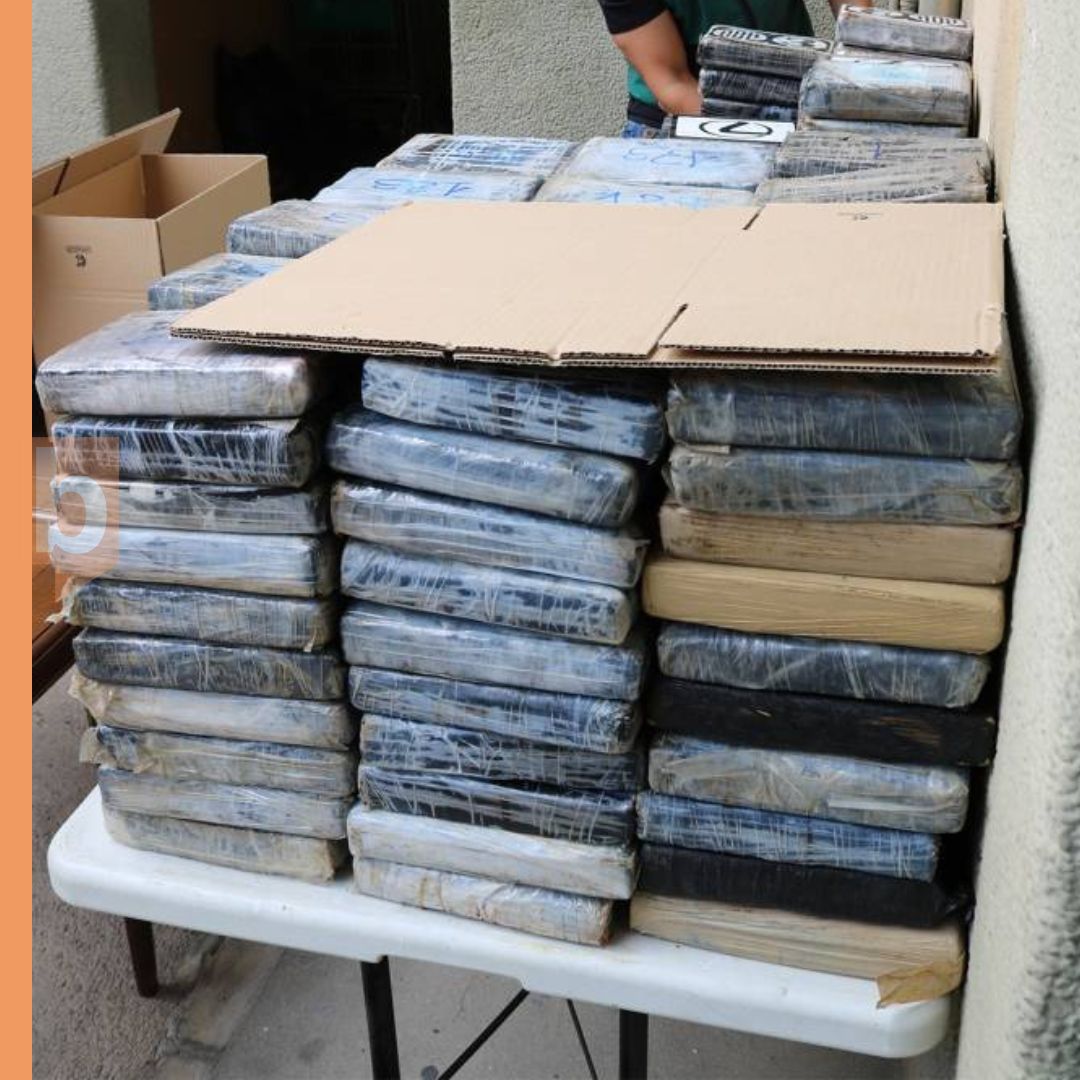
GREAT BAY--The Caribbean countries within the Kingdom are not among the five most important transit countries for cocaine destined for the Netherlands, according to research on international drug flows presented during the Judicial Four-Country Consultation, JVO, held in Curaçao last week.
The finding adds important context to the longstanding perception that Aruba, Curaçao and St. Maarten are among the main gateways for cocaine entering the Netherlands. While the Dutch Caribbean remains part of regional trafficking routes, the study presented to the four Justice ministers indicates that the largest flows into the Netherlands are routed elsewhere.
The JVO brought together the Justice ministers of St. Maarten, Curaçao, Aruba and the Netherlands from September 1 to 3 to discuss shared issues including organized crime, border control, maritime security, youth crime, detention, illicit financial flows and drug trafficking.
Available Dutch police data supports the broader picture that the main cocaine supply routes to the Netherlands are tied primarily to South and Central America.
A 2025 Dutch police report identifies Brazil, Costa Rica, Ecuador and the Dominican Republic as known countries of origin for cocaine seized by Dutch Customs in ports, while noting that large quantities are shipped particularly from Ecuador to the Netherlands and Belgium. Colombia and Peru also remain important source countries.
Earlier Dutch police research also describes a Caribbean trafficking route in which cocaine moves from producing countries through Venezuela and then onward through Caribbean states, particularly Jamaica and the Dominican Republic, before reaching Europe. The same research notes that cocaine is also smuggled into the Netherlands through Suriname and Curaçao.
That means the Dutch Caribbean is not absent from the trafficking chain, but the new JVO research suggests its role is smaller than is sometimes assumed when compared with the larger international supply routes feeding the Netherlands.
The exact ranking of Aruba, Curaçao and St. Maarten outside the top five was not disclosed in the publicly available JVO material, and it remains unclear whether any of the three fall within the top 10 transit countries identified by the study.
What is clear is that the research was specifically highlighted by the four countries as contributing to what they described as a more balanced picture of the Caribbean countries’ position in international drug flows.
The finding does not reduce the importance of drug interdiction in the region. During the JVO, the Dutch Caribbean Coast Guard also presented recent developments in drug interception and migration, while the four countries agreed to continue strengthening cooperation against organized and cross-border crime.
The ministers also discussed improving the overall intelligence picture on criminal networks and strengthening national agencies involved in combating organized crime.
The next Judicial Four-Country Consultation is scheduled for June 2027 in Bonaire.
Join Our Community Today
Subscribe to our mailing list to be the first to receive
breaking news, updates, and more.
