

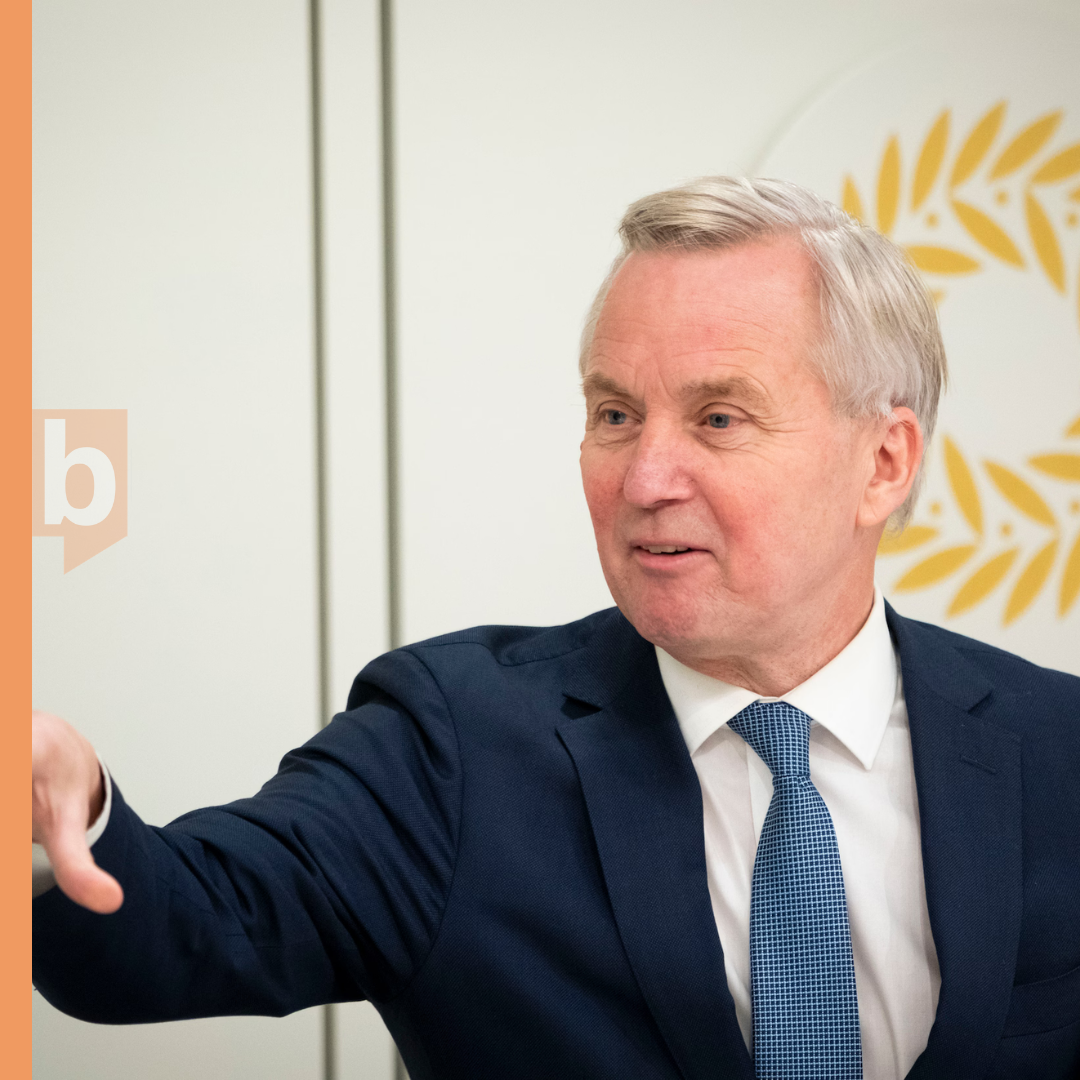



THE HAGUE--The Dutch government has announced plans to eliminate approximately 25,000 full-time civil service positions by 2035, reducing its workforce by roughly 16 percent as part of a major restructuring initiative aimed at cutting government spending, simplifying regulations and expanding the use of artificial intelligence (AI).
The proposed reductions, outlined Monday by State Secretary for Kingdom Relations and Decisive Government Eric van der Burg, are expected to generate annual savings of €3.5 billion by 2035. The government intends to begin reducing expenditures as early as 2027, when it aims to save €900 million.
The initiative represents one of the most substantial proposed reductions in the Dutch civil service in recent years, signaling a shift toward a smaller government that relies more heavily on digital technology, streamlined administrative processes and fewer personnel.
Van der Burg, a member of the People's Party for Freedom and Democracy (VVD), said the government must reconsider how public services are organized and delivered, particularly as staffing levels and administrative responsibilities have expanded considerably over the past decade.
The Dutch central government currently employs approximately 160,000 full-time civil servants. Under the proposed restructuring, around one in six positions would disappear over the next nine years.
However, the reductions will not be distributed equally across government departments. According to Van der Burg, some departments could experience workforce reductions of approximately 20 percent, while others could face cuts of up to 60 percent. Police and defense services are expected to be excluded from the reductions.
Other government agencies, including the tax administration and the Employee Insurance Agency (UWV), which administers unemployment and other employment-related benefits, have not been granted similar exemptions.
Artificial Intelligence to Play Major Role
A central component of the government's strategy involves expanding the use of artificial intelligence and digital technology to perform administrative tasks currently handled by civil servants.
The government intends to standardize information technology systems across ministries, improve digital communication with residents and businesses, and introduce technology capable of handling routine inquiries and administrative processes more efficiently.
Online services and AI-powered chatbots are among the tools being considered to reduce the need for traditional administrative support while allowing citizens to access government information outside normal office hours.
The Cabinet is expected to present specific objectives and savings plans for the use of artificial intelligence during the first quarter of 2027.
The restructuring will also involve simplifying legislation and eliminating unnecessary regulations. The governing coalition has committed to removing 500 rules annually, arguing that increasingly complicated procedures and exceptions have contributed to the expansion of the public administration.
Van der Burg acknowledged that technology and improved efficiency alone would not deliver the full savings being targeted. The government will also have to make decisions about which responsibilities should be reduced or discontinued.
Government Offices and Advisory Bodies Face Cuts
Beyond workforce reductions, the government plans to reduce spending on office accommodation, external consultants and advisory institutions.
One proposal would establish a ratio of one physical workstation for every two civil servants, reflecting the growing use of remote and hybrid working arrangements.
According to Van der Burg, government office occupancy frequently remains below capacity, resulting in unnecessary expenditure on buildings and facilities. Properties no longer required could potentially be repurposed for housing, commercial activities or other uses.
The government also intends to reduce the number of advisory councils and committees. There are currently 28 permanent advisory councils and approximately 150 advisory committees operating within the Dutch administrative system.
The number of policy evaluations, currently estimated at approximately 400 annually, is also expected to be reduced.
Van der Burg has indicated that a general hiring freeze is not part of the immediate strategy. Instead, ministries will be expected to assess vacancies individually and determine whether departing employees need to be replaced.
The government also intends to reduce its reliance on costly external contractors.
Major Changes Ahead for Public Administration
The proposals follow a period of considerable growth in the Dutch civil service. Since 2018, the number of central government employees has increased substantially, despite successive administrations expressing intentions to reduce government expenditure.
Van der Burg has argued that the increasing complexity of government policies and regulations has contributed to larger administrative structures, additional oversight mechanisms and growing personnel requirements.
The government maintains that simplifying these systems could allow public services to operate with fewer employees while maintaining effectiveness.
Nevertheless, the proposed reductions raise questions about how government departments will maintain service delivery, particularly in agencies already experiencing staffing shortages, administrative backlogs and increasing public demand.
The Cabinet is expected to provide further details on how the reductions will be implemented through its upcoming budget plans. A broader multiyear strategy for the future of the civil service is also expected within six months.
Although the exact positions and departments affected have not yet been identified, the announcement establishes a significant new direction for Dutch public administration, with artificial intelligence, reduced bureaucracy and lower operating costs forming the foundation of the government's proposed transformation.
(𝘈𝘳𝘵𝘪𝘧𝘪𝘤𝘪𝘢𝘭 𝘪𝘯𝘵𝘦𝘭𝘭𝘪𝘨𝘦𝘯𝘤𝘦 𝘪𝘴 𝘥𝘦𝘷𝘦𝘭𝘰𝘱𝘪𝘯𝘨 𝘴𝘰 𝘲𝘶𝘪𝘤𝘬𝘭𝘺 𝘵𝘩𝘢𝘵 𝘴𝘰𝘮𝘦𝘵𝘩𝘪𝘯𝘨 𝘤𝘰𝘯𝘴𝘪𝘥𝘦𝘳𝘦𝘥 𝘦𝘹𝘱𝘦𝘳𝘪𝘮𝘦𝘯𝘵𝘢𝘭 a short time ago𝘢𝘨𝘰 𝘤𝘢𝘯 𝘣𝘦𝘤𝘰𝘮𝘦 𝘢𝘯 𝘦𝘷𝘦𝘳𝘺𝘥𝘢𝘺 𝘱𝘳𝘰𝘥𝘶𝘤𝘵 𝘣𝘦𝘧𝘰𝘳𝘦 𝘮𝘰𝘴𝘵 𝘱𝘦𝘰𝘱𝘭𝘦 𝘩𝘢𝘷𝘦 𝘦𝘷𝘦𝘯 𝘶𝘯𝘥𝘦𝘳𝘴𝘵𝘰𝘰𝘥 𝘸𝘩𝘢𝘵 𝘤𝘩𝘢𝘯𝘨𝘦𝘥. 𝘛𝘩𝘦 𝘗𝘦𝘰𝘱𝘭𝘦𝘴' 𝘛𝘳𝘪𝘣𝘶𝘯𝘦 𝘸𝘪𝘭𝘭 𝘧𝘦𝘢𝘵𝘶𝘳𝘦 𝘢𝘯 𝘰𝘯𝘨𝘰𝘪𝘯𝘨 𝘈𝘐 𝘕𝘦𝘸𝘴 & 𝘌𝘹𝘱𝘭𝘢𝘪𝘯𝘦𝘳𝘴 𝘴𝘦𝘳𝘪𝘦𝘴 𝘢𝘪𝘮𝘦𝘥 𝘢𝘵 𝘦𝘹𝘱𝘭𝘢𝘪𝘯𝘪𝘯𝘨 𝘵𝘩𝘦 𝘥𝘦𝘷𝘦𝘭𝘰𝘱𝘮𝘦𝘯𝘵 𝘰𝘧 𝘢𝘳𝘵𝘪𝘧𝘪𝘤𝘪𝘢𝘭 𝘪𝘯𝘵𝘦𝘭𝘭𝘪𝘨𝘦𝘯𝘤𝘦 𝘸𝘩𝘪𝘭𝘦 𝘧𝘰𝘭𝘭𝘰𝘸𝘪𝘯𝘨 𝘵𝘩𝘦 𝘮𝘢𝘫𝘰𝘳 𝘣𝘳𝘦𝘢𝘬𝘵𝘩𝘳𝘰𝘶𝘨𝘩𝘴, 𝘳𝘪𝘴𝘬𝘴, 𝘰𝘱𝘱𝘰𝘳𝘵𝘶𝘯𝘪𝘵𝘪𝘦𝘴 𝘢𝘯𝘥 𝘥𝘦𝘤𝘪𝘴𝘪𝘰𝘯𝘴 𝘵𝘩𝘢𝘵 𝘤𝘰𝘶𝘭𝘥 𝘢𝘧𝘧𝘦𝘤𝘵 𝘩𝘰𝘸 𝘱𝘦𝘰𝘱𝘭𝘦 𝘸𝘰𝘳𝘬 𝘢𝘯𝘥 𝘭𝘪𝘷𝘦.)
Join Our Community Today
Subscribe to our mailing list to be the first to receive
breaking news, updates, and more.