

.jpg)


GREAT BAY--An evaluation of the Protocol for Strengthening Border Control between the Netherlands, St. Maarten, Aruba and Curaçao has concluded that the seven-year cooperation agreement has added value to border control, while also identifying shortcomings that will need to be addressed if the arrangement continues.
The findings were outlined by State Secretary for Kingdom Relations Eric van der Burg in a letter sent to the Dutch House of Representatives on October 2, 2026. The evaluation itself was also submitted to Parliament as an attachment to the letter.
The border control protocol was established in 2021 as a seven-year cooperation arrangement between the four countries. Under the agreement, the Netherlands provides resources, personnel capacity, technical equipment and expertise aimed at strengthening border control and combating cross-border crime.
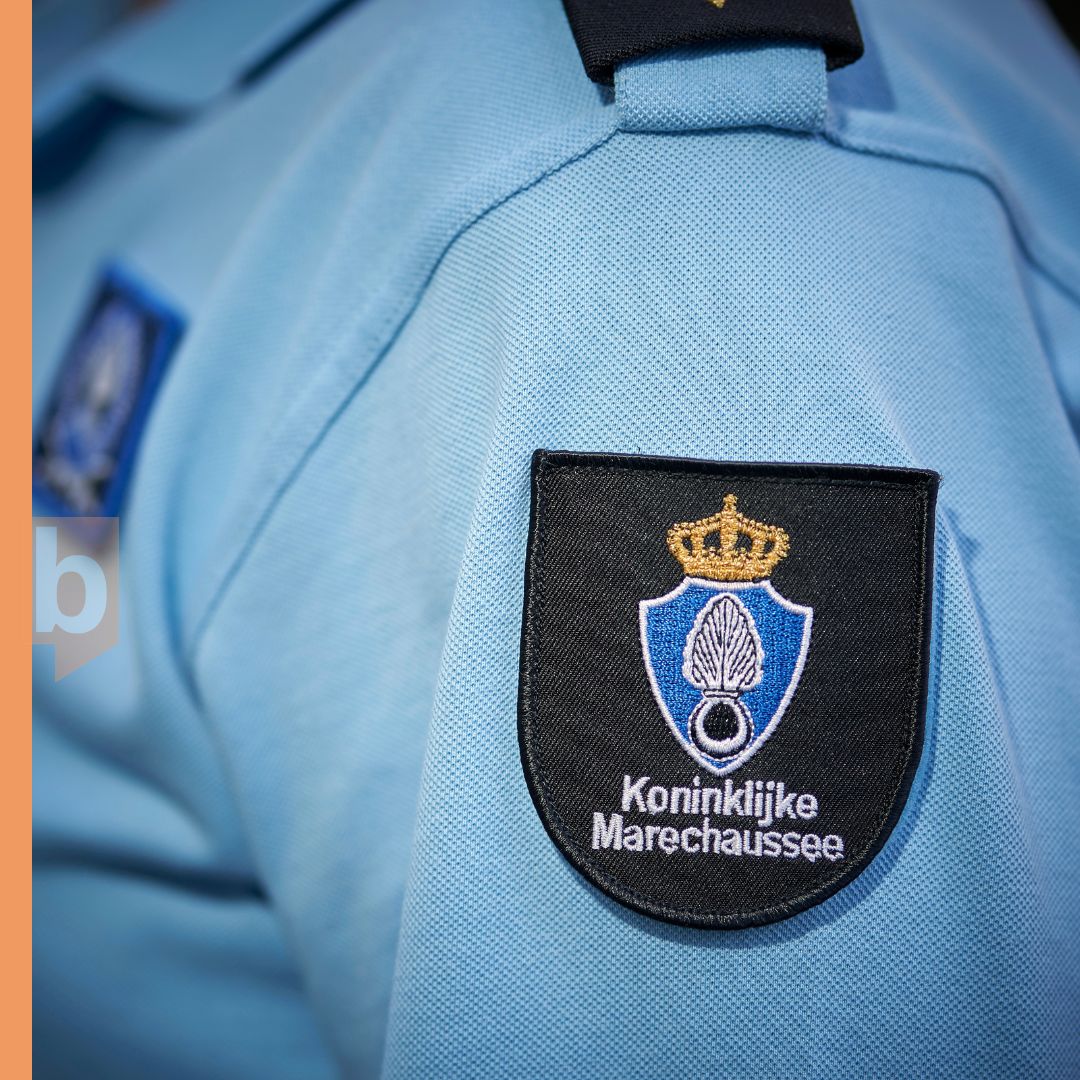
According to Van der Burg, the evaluation found that the deployment of personnel from the Royal Netherlands Marechaussee and Dutch Customs has largely been realized and has provided additional capacity while strengthening cooperation among the services involved.
The evaluation, however, also identified weaknesses in the implementation of the protocol.
Capacity problems remain an issue, while the absence of sufficiently clear and measurable objectives has made it difficult to determine the full impact of the cooperation and to make adjustments where necessary. This means that while additional personnel and cooperation have strengthened operations, assessing exactly how effectively the protocol has achieved its broader objectives remains challenging.
The evaluator has recommended extending the protocol beyond its currently agreed seven-year period, while also identifying several areas requiring further development and attention.
The recommendation places the future of the border control arrangement on the agenda for discussions between the Netherlands and the three Caribbean countries involved.
Van der Burg said the findings and recommendations will be incorporated into talks with St. Maarten, Aruba and Curaçao on the future of the Protocol for Strengthening Border Control.
The Dutch House of Representatives is expected to be informed of the outcome of those discussions before the summer of 2027.
For St. Maarten, the discussions will determine how the cooperation will continue beyond the existing agreement and whether changes will be introduced to address the shortcomings identified by the evaluation.
The protocol has been an important mechanism through which additional Dutch law enforcement capacity and expertise have been made available for border operations in the Caribbean countries. The Royal Netherlands Marechaussee and Dutch Customs have played central roles in that cooperation.
The evaluation now raises the question of how a possible extension should be structured, including how objectives can be made more measurable, how persistent capacity challenges can be addressed and how the countries can better assess whether resources and personnel are producing the intended results.
Join Our Community Today
Subscribe to our mailing list to be the first to receive
breaking news, updates, and more.
