

.jpg)


THE HAGUE--Dutch public health authorities are monitoring a growing number of West Nile virus infections in the Netherlands, where the number of confirmed human cases has risen to 44 and five people diagnosed with the virus have died so far in 2026.
The Netherlands National Institute for Public Health and the Environment, RIVM, reported Thursday that 16 additional patients had been confirmed since its September 17 update. One of those newly reported patients died. All 16 of the latest infections were acquired through the bite of an infected mosquito, according to the agency.
The infections have been reported in six Dutch provinces. Zuid-Holland accounts for 23 of the 44 cases, followed by Utrecht with 10, Noord-Holland and Noord-Brabant with four each, Gelderland with two and Overijssel with one. Most of the infections were identified after patients were admitted to hospital with symptoms.
The five deaths involve patients who had confirmed West Nile virus infections. The latest RIVM update does not state that the virus was necessarily the direct cause of death in every case, making that distinction important when describing the fatalities.
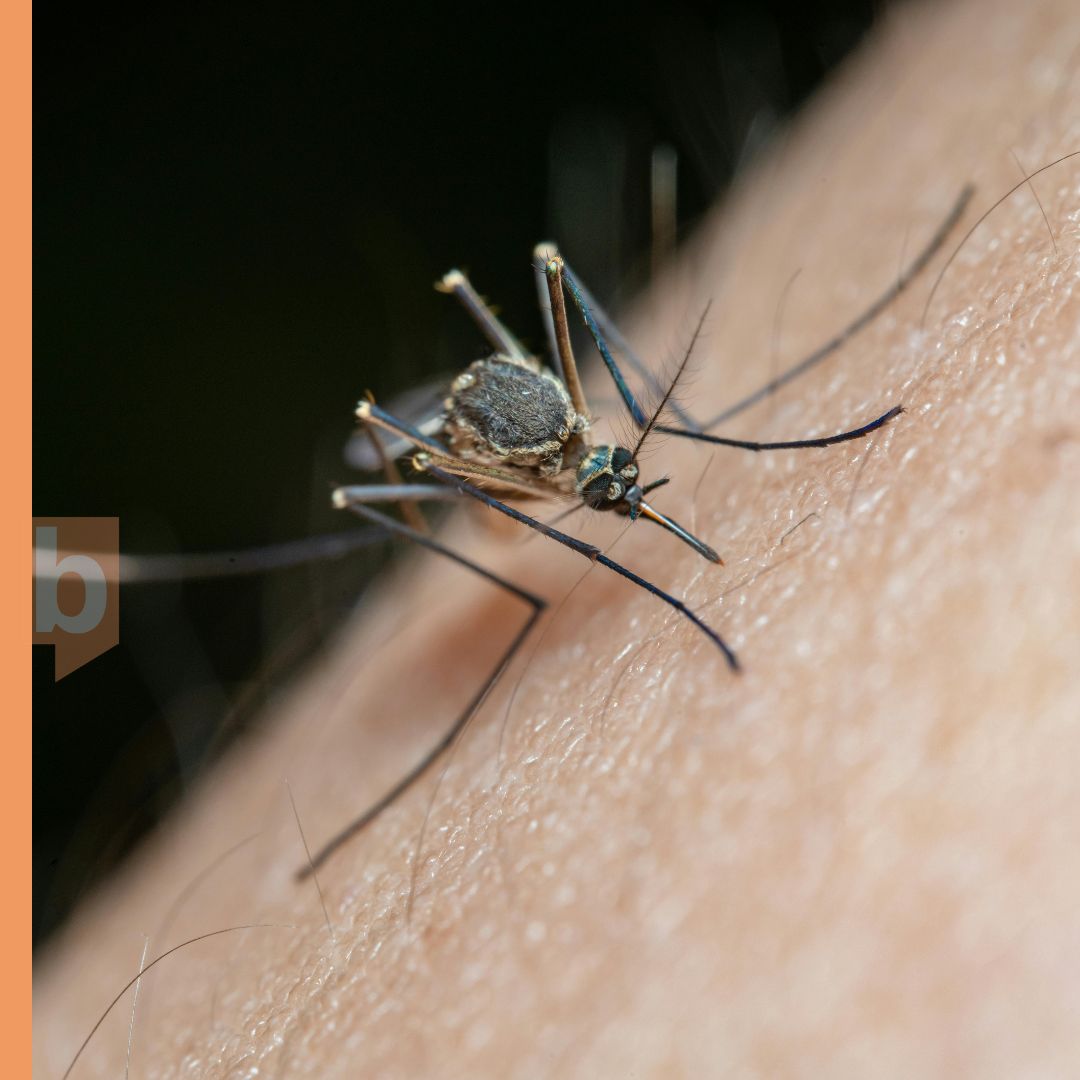
West Nile virus is a mosquito-borne virus that circulates primarily between birds and mosquitoes. Mosquitoes become infected after feeding on birds carrying the virus and can subsequently transmit it to humans, horses and some other mammals through their bites.
The World Health Organization says approximately 80 percent of people infected with West Nile virus develop no symptoms at all. About 20 percent may develop West Nile fever, which can include fever, headache, tiredness, body aches, nausea, vomiting and, in some cases, a skin rash or swollen lymph glands.
A small proportion of patients develop serious neurological illness. WHO estimates that approximately one in 150 infected people can develop severe disease affecting the central nervous system, including encephalitis, meningitis or paralysis. Symptoms can include high fever, severe headache, neck stiffness, disorientation, tremors, convulsions, muscle weakness and paralysis. Older people and persons with weakened immune systems face a greater risk of serious illness.
There is currently no human vaccine and no specific antiviral treatment for West Nile virus. Treatment for serious illness generally involves supportive medical care, including hospitalization when necessary.
West Nile virus is not spread from person to person through ordinary everyday contact. Rare transmission has been documented through blood transfusions, organ transplants, pregnancy and breastfeeding, but the normal route of infection is through an infected mosquito.
Dutch authorities are therefore not treating the increase as a pandemic-type situation. Instead, specialists including doctors, veterinarians, virologists, epidemiologists and ecologists are monitoring the spread of the virus and assessing whether additional measures are required.
The virus is also being detected increasingly in animals. RIVM reported 136 positive horses and 171 infected birds in the Netherlands so far this year. Four mosquito pools have also tested positive. Birds are central to the natural transmission cycle, while humans and horses generally do not carry enough virus in their blood to continue the mosquito-to-host transmission chain.
With no vaccine available for humans, prevention largely depends on avoiding mosquito bites. WHO recommends using appropriate insect repellent, wearing clothing that covers the arms and legs, using window and door screens and reducing standing water around homes where mosquitoes can breed.
Join Our Community Today
Subscribe to our mailing list to be the first to receive
breaking news, updates, and more.
