

.jpg)


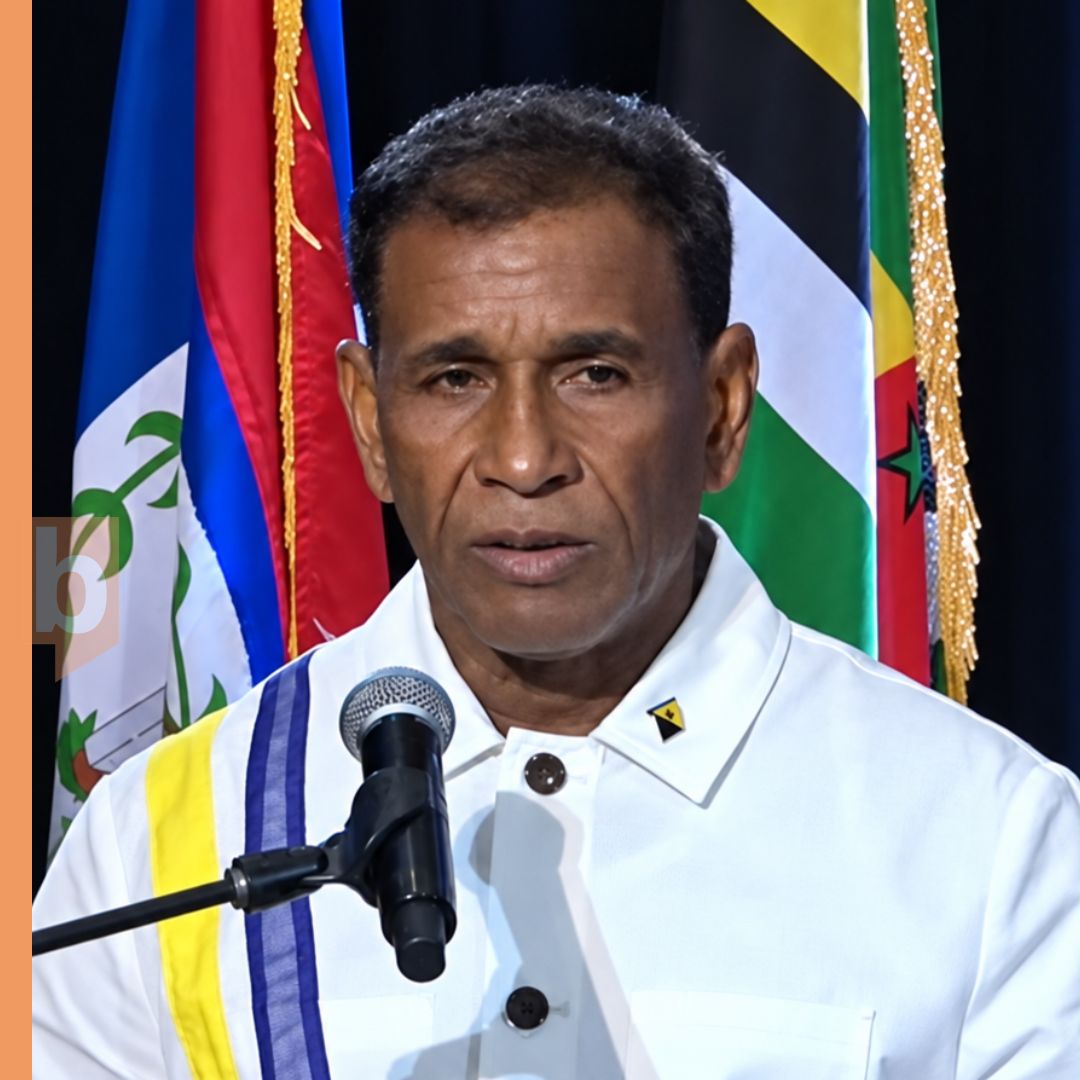
BARBADOS--Bonaire human rights advocate James Finies used an address to the Third CARICOM Regional Conference on Reparations in Barbados to argue that reparatory justice cannot be separated from what he considers Bonaire’s unresolved colonial status, calling on Caribbean leaders to place self-determination alongside demands for redress for slavery and colonial exploitation.
Finies, founder of the Bonaire Human Rights Organization, BHRO, opened part of his address in Papiamentu, telling delegates that language and cultural identity remain central to the struggle he represents. The conference, held September 17-19 under the theme “Reparatory Justice as the Coming Enlightenment,” brought together regional leaders, scholars, activists and international participants to advance CARICOM’s revised Ten-Point Plan for Reparatory Justice.
At the heart of Finies’ presentation was a question he said the regional reparations movement must confront: how can territories pursue full reparatory justice while, in his view, their colonial relationship remains unresolved?
Finies argued that Bonaire’s experience cannot be discussed only through the history of slavery. He pointed to the island’s present constitutional relationship with the Netherlands and maintained that political control, demographic change, language, land, taxation and access to natural resources must also form part of any serious discussion about repair.
He referenced the Dutch government’s formal apology in December 2022 for the Netherlands’ role in slavery. Former Dutch Prime Minister Mark Rutte acknowledged at the time that the Dutch state had facilitated, preserved and profited from slavery and apologized to enslaved people and their descendants. The Dutch government also established a €200 million fund aimed at awareness, engagement and addressing the present-day effects of slavery.
Finies welcomed acknowledgement of the past but questioned whether an apology can amount to full reparatory justice while Bonaire’s current political relationship with the Netherlands remains contested by groups such as BHRO.
He focused heavily on the constitutional changes of October 10, 2010, when the Netherlands Antilles was dissolved and Bonaire, St. Eustatius and Saba became public bodies of the Netherlands, commonly described officially as special municipalities. Finies rejects the legitimacy of that arrangement for Bonaire and argues that the population did not give the type of free and informed consent necessary to settle the island’s political status. Official Dutch statistics describe Bonaire as a public body and special municipality within the Netherlands.
Finies told delegates that decisions affecting Bonaire are increasingly made outside the island and raised concerns about taxation, land ownership, political influence and local control. He also argued that reparatory justice must consider who controls resources today and what will remain available to future generations of Bonairians.
Demographic change was another major part of his presentation. Statistics Netherlands, CBS, records Bonaire’s population at 15,679 in 2011 and 27,611 at the start of 2026. CBS reported that much of the island’s recent population growth has been driven by migration.
Finies said his concern is not opposition to people moving to Bonaire, but whether the historically rooted population will retain sufficient political and cultural influence to determine the island’s future. He called for greater attention to demographic data, local representation, Papiamentu, education and the continued participation of Bonairians in leadership positions.
He also drew attention to Bonaire’s history as part of the Dutch colonial economy, particularly the salt industry and the forced labour of enslaved Africans. In his argument, the question of reparations therefore extends beyond financial compensation and must include land, resources, cultural survival and the ability of a people to determine their political future.
Finies stressed that he was not asking CARICOM to decide what Bonaire’s eventual political status should be. He said that decision belongs to the people of Bonaire. What he requested from the regional body was greater support for Bonaire’s right to genuine self-determination and greater recognition of territories whose decolonization questions remain disputed.
“We are not asking the Caribbean to determine our political future. That future belongs to the people of Bonaire, but we are asking our Caribbean family not to leave us standing alone,” Finies told the conference.
His message placed Bonaire within a wider reparations discussion that CARICOM is now seeking to move from acknowledgement toward political, legal, social and institutional action. CARICOM has described the 2026 gathering as the first major regional reparations conference in more than a decade and an opportunity to advance implementation of its revised Ten-Point Plan.
Finies urged CARICOM and the wider Caribbean reparations movement to develop a strategy for engaging the Netherlands on what he described as comprehensive reparatory justice for Bonaire. For him, that discussion must include both the historical consequences of Dutch slavery and colonialism and Bonaire’s present constitutional circumstances.
“Reparations must repair the past. Self-determination must protect the present. Decolonization must secure our future,” Finies said.
He closed by thanking CARICOM, the CARICOM Reparations Commission, the Government and people of Barbados and Prime Minister Mia Mottley for providing Bonaire with an opportunity to present its concerns before the regional gathering.
Finies’ central message was that the reparations debate cannot end with acknowledgement of historical wrongs if questions surrounding political power, cultural survival and self-determination remain unresolved.
Join Our Community Today
Subscribe to our mailing list to be the first to receive
breaking news, updates, and more.
