

.jpg)


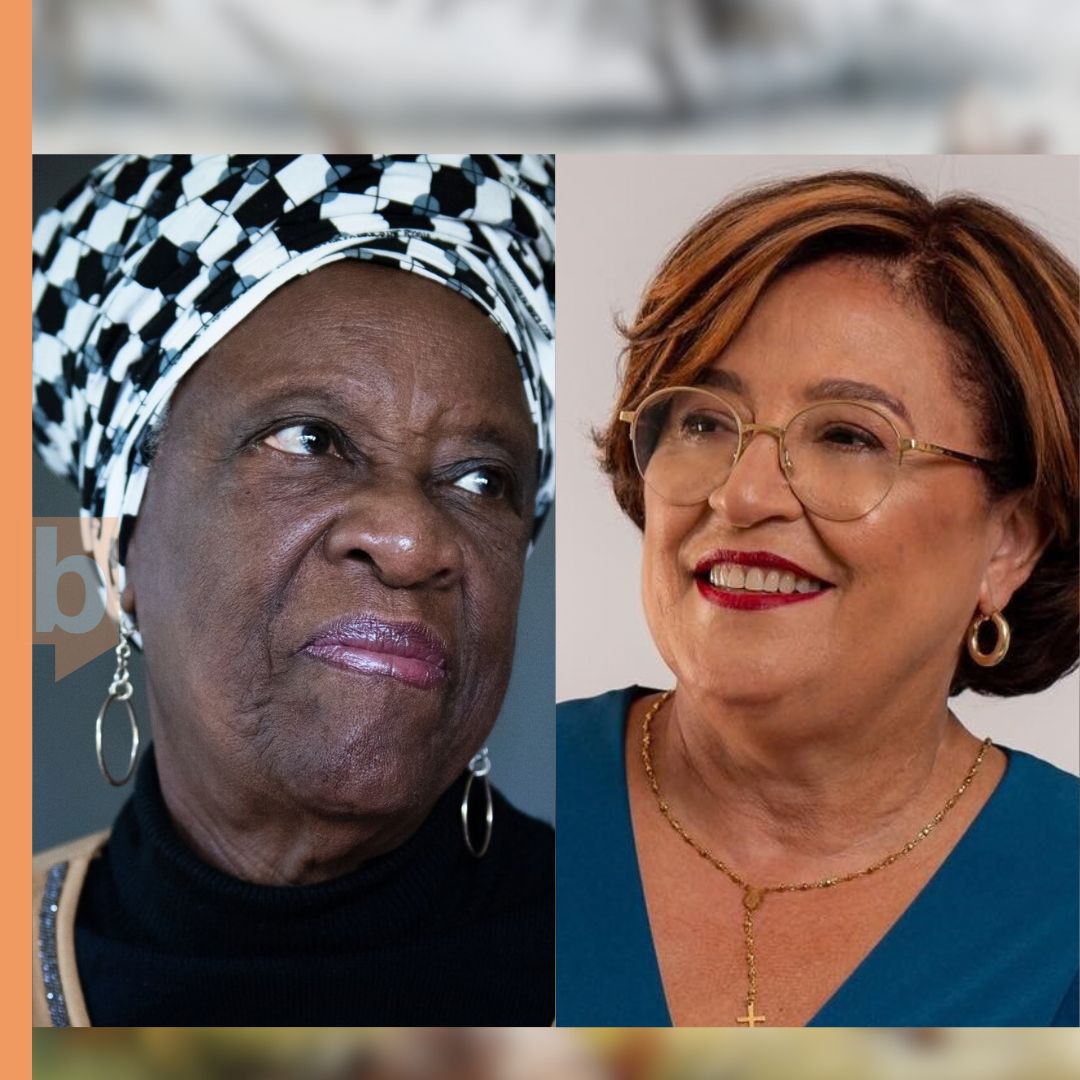
WILLEMSTAD--Former Prime Ministers of the Netherlands Antilles Suzy Camelia-Römer and Maria Liberia-Peters are calling for concrete political follow-up to the newly released investigation into the colonial role of the House of Orange-Nassau, with both stressing that the Caribbean parts of the Kingdom should not be pushed to the margins of the discussion.
The investigation, commissioned by King Willem-Alexander, concluded that the Royal House was involved in colonialism “with conviction and without reservations” and supported colonial policies rooted in ideas of European white superiority. More than 60 researchers contributed to the project, with the results published across five books covering the period from the late 16th century to the present.
Camelia-Römer said the initial coverage of the research has paid too little attention to the Caribbean and questioned why greater focus has been placed on former Dutch colonies in the East while the present-day Caribbean parts of the Kingdom receive comparatively little attention.
She said she wants to see what the five-volume study says specifically about the Caribbean and hopes the publications will quickly become available in the region. Camelia-Römer also questioned whether the role of the Royal House in Caribbean slavery is being minimized in a way that could weaken arguments for reparations. For her, reparations should remain part of the next phase of the discussion.
Her position is consistent with her broader political campaign on slavery, decolonization and reparatory justice. Earlier this year, Camelia-Römer, now a MAN-PIN parliamentarian in Curaçao, pushed for the establishment of a temporary parliamentary committee to deal specifically with decolonization, reparations and the slavery past. She argued that the proposal had already been pending for close to a year and that Curaçao needed to move beyond discussion toward concrete steps.
Camelia-Römer has also previously pointed to the economic consequences of emancipation, noting that slaveholders received compensation when slavery was abolished in 1863 while the formerly enslaved received nothing. She has argued that the resulting disadvantage and poverty continued across generations.
Liberia-Peters, meanwhile, described King Willem-Alexander’s decision to order the investigation as courageous, saying he would have known in advance that the findings would not be comfortable for the monarchy.
She stressed, however, that the King cannot determine the political response himself because ministers are responsible for government policy. According to Liberia-Peters, responsibility now lies with governments and parliaments to decide what comes after the findings.
“The floor is up to the government and the parliaments to give substance to that,” Liberia-Peters said.
She also expressed hope that the King would use his influence behind the scenes to encourage political leaders to confront what she described as the “point after the comma,” meaning the actions that should follow the publication and acknowledgment of the historical findings.
Liberia-Peters said the investigation should not be viewed only as an examination of individual members of the Royal House. She argued that it should also trigger a broader examination of how the Netherlands built its international standing and prosperity over centuries.
According to her, the standing developed by the Netherlands was partly shaped by the slavery past, meaning the country must also acknowledge what it derived from the colonial system. She warned that the Caribbean must not again be sidelined as decisions are made about the next steps.
“We must not lose sight of the developments taking place here in the Caribbean,” Liberia-Peters said, adding that the region should not be excluded from the process.
Her comments also reflect positions she has expressed previously on the continuing impact of colonial relations. Liberia-Peters has long advocated greater autonomy for Curaçao and has argued that decision-makers in the Caribbean are often better positioned to understand local priorities than policymakers in the Netherlands. She has also previously criticized what she viewed as lingering colonial attitudes in the relationship between the Netherlands and the islands.
The reactions from the two former prime ministers place growing focus on what should happen now that the historical findings have been published. For Camelia-Römer, that discussion includes reparations and a more direct examination of the continuing colonial relationship. For Liberia-Peters, governments and parliaments must translate the findings into policy while ensuring that the Caribbean remains directly involved.
Both positions point to a central concern emerging from the region: the publication of research should not become the end of the process.
As Caribisch Netwerk noted in its review of reactions across the islands, research findings and recommendations that are not followed by action may add to the historical record, but they do little to improve society.
Sources
Caribisch Netwerk, October 4, 2026.
Curaçao.nu, October 2, 2026.
Reformatorisch Dagblad/ANP, October 2, 2026.
NU.cw, May 29, 2026.
Dutch parliamentary records and earlier interviews concerning the slavery past and colonial relations.
Join Our Community Today
Subscribe to our mailing list to be the first to receive
breaking news, updates, and more.
