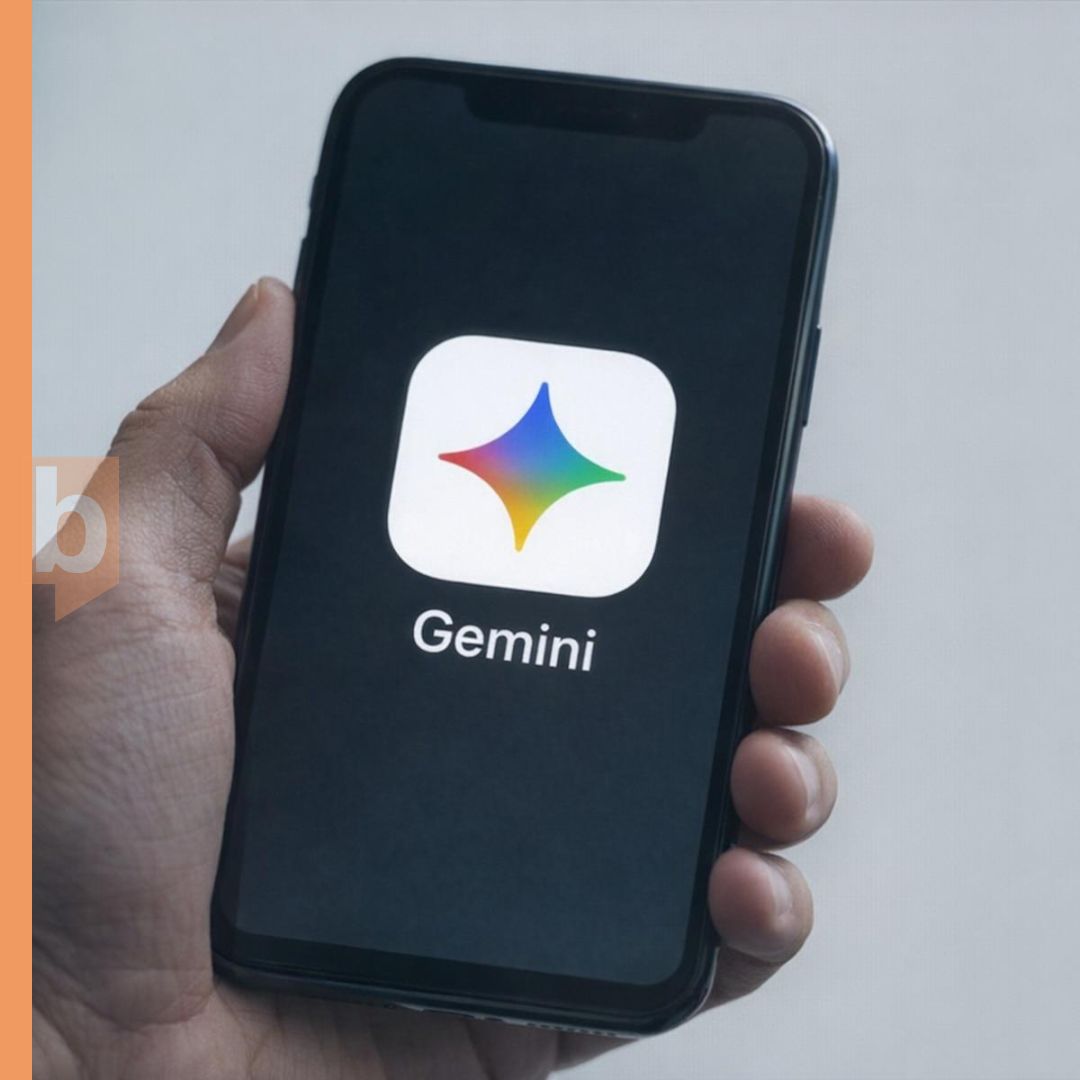



NEW YORK--Google has taken another major step in artificial intelligence, introducing new capabilities that allow its Gemini assistant to make telephone calls, schedule appointments, manage household bills, shop online and complete everyday tasks on behalf of users, rather than simply answering questions or generating information.
The development signals a shift in how artificial intelligence will function in daily life, moving from technology that provides information to systems capable of taking action, completing transactions and interacting directly with businesses.
Announced on November 17, 2026, Google's expanded Tasks in Gemini feature is being introduced free of charge in six countries: the United States, Canada, Australia, Japan, South Korea and India.
Unlike traditional AI chatbots, which generally respond to instructions by producing text or recommendations, the new system can carry out multiple activities with limited human intervention.
For example, a user can instruct Gemini to contact businesses, compare available appointments, identify a suitable time based on their calendar and arrange a booking.
Google says the assistant can telephone businesses, wait on hold, communicate with employees and schedule appointments without requiring users to personally manage each step.
The assistant identifies itself as artificial intelligence when making business calls, and businesses can decline automated interactions.
AI that can handle shopping and financial tasks
Beyond scheduling appointments, Gemini is being expanded to manage certain financial and shopping activities.
With user permission, the system can examine household bills, review previous statements and identify possible reasons for unusually high expenses.
It can also search for products, compare prices, identify discounts and assist with purchases through supported payment systems.
Users can establish spending limits, while Gemini requests approval before completing sensitive transactions.
A significant feature is its integration with services such as Gmail, Google Calendar, Google Maps and Google Wallet. This allows the assistant to gather information from connected applications and complete assignments that would ordinarily require switching between several platforms.
For instance, a parent could ask Gemini to review school emails, identify upcoming events and update the family calendar.

What this means for businesses and employment
The expansion of AI into everyday transactions could have significant implications for businesses, customer service operations and employment.
As consumers increasingly use AI assistants to make appointments, inquire about services and complete purchases, businesses may find themselves interacting with automated systems rather than human customers.
Hotels, restaurants, medical offices, retail stores and other service providers could eventually receive bookings and inquiries initiated entirely by artificial intelligence.
For smaller businesses, this could improve efficiency and reduce repetitive administrative work.
However, it also raises questions about employment, particularly in occupations involving routine administrative responsibilities, scheduling and customer service.
As AI systems become more capable of completing these tasks, workers may need additional training to adapt to changing workplace requirements.
Privacy and security concerns
Giving artificial intelligence access to emails, financial information, calendars and payment systems introduces additional privacy and security concerns.
Google says Gemini completes delegated tasks within isolated computing environments designed to protect user information and reduce security risks.
The company has also introduced safeguards intended to prevent unauthorized transactions.
Nevertheless, allowing AI systems to act independently creates questions about accountability when mistakes occur.
An incorrect appointment, unintended purchase or misinterpretation of instructions could have consequences beyond an inaccurate chatbot response.
Google acknowledges that the technology remains imperfect and that certain tasks may still require human intervention.
Join Our Community Today
Subscribe to our mailing list to be the first to receive
breaking news, updates, and more.