
.jpg)
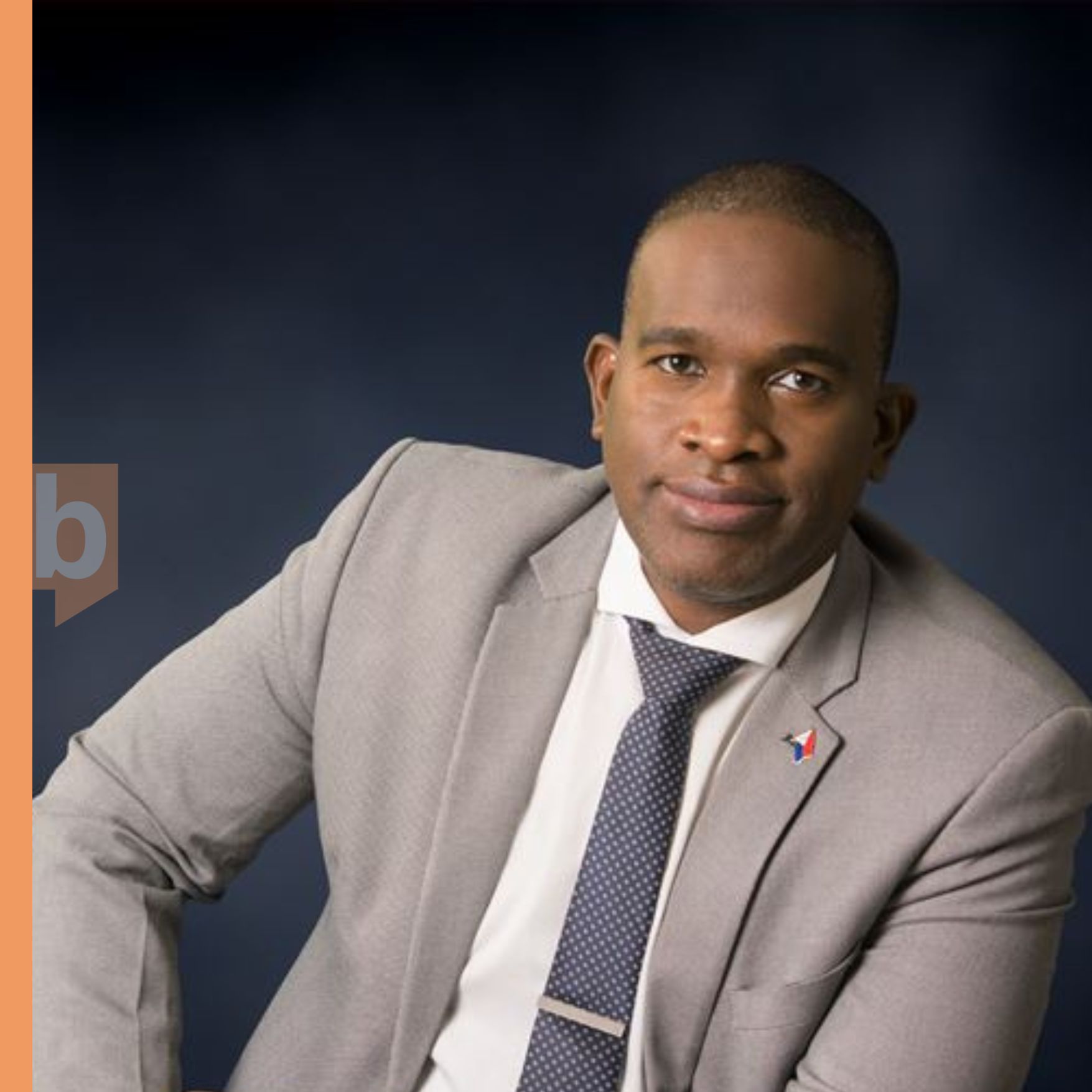



GREAT BAY--His Excellency Governor Ajamu Baly on Friday delivered opening remarks at the St. Maarten Trust Fund’s Knowledge Forum, held as part of the third Annual Results and Knowledge Fair under the theme “Level Up St. Maarten: Grow. Thrive. Together!”
In his address, Governor Baly said the forum highlighted “the people, institutions and partnerships” that helped turn post hurricane recovery into a more sustainable path for resilience and shared prosperity. He noted that the focus areas, including waste management, disaster risk financing, and job creation, align directly with St. Maarten’s development priorities.
Governor Baly explained that the event formed part of the annual Country Portfolio Performance Review (CPPR), which includes technical review sessions where government, the World Bank, and project implementation teams assess achievements, challenges, and lessons learned, while identifying opportunities for improvement. He said the objective of the public session was to share results and practical development experience, including best practices and approaches from international experts.
Reflecting on the Trust Fund’s origin, Governor Baly recalled that Hurricanes Irma and Maria tested the country to its limits, after which the Government of the Netherlands, in collaboration with the World Bank, launched the Reconstruction, Recovery and Resilience Trust Fund. He said the Trust Fund has helped St. Maarten rebuild stronger, protect vulnerable groups, and position the economy for the future.
To illustrate what “building back better” looks like in practice, Governor Baly highlighted progress at Princess Juliana International Airport, noting the goal of restoring passenger capacity and strengthening the airport against future extreme weather events. He referenced a $149 million financing package and reported that, by late 2024, passenger works were completed, systems and safety features were strengthened, and key components such as exterior glazing replacement were completed. He also emphasized improved stakeholder engagement, describing the approach as “a whole community approach” that is now a hallmark of the recovery program, while calling the airport’s trajectory, “in one word, thriving.”
He also pointed to debris management as an example of circular economy principles in action, noting efforts to minimize waste and repurpose materials locally. Governor Baly described how concrete debris was crushed and reused as modular blocks for road maintenance sites, reducing landfill pressure and creating opportunities for local firms, calling that combined impact, “resilience that is economic, environmental and social all at once.”
Turning to economic recovery, Governor Baly referenced the Enterprise Support Project (ESP), which provides working capital and investment support for micro, small and medium enterprises, alongside training and coaching. He noted that by mid 2024 cumulative grants and loans reached about $17.7 million, and by mid 2025 more than 300 MSMEs had approved support packages, while 374 enterprises completed training through the Entrepreneurship Center. He described the combined effect of smarter reconstruction and targeted enterprise support as helping build an economy that is “less fragile, more prepared,” and in one word, “agile.”
Governor Baly also highlighted broader results across sectors, including emergency income support and training, foundations for a stronger social registry, investments in hospital resilience, school rebuilding, child protection, civil society grants, and digital government. He pointed to ongoing work on the new Climate Resilient General Hospital, describing hurricane and seismic resilient engineering features such as seismic base isolators, on site medical waste management and wastewater treatment, and rainwater harvesting. He also referenced a wastewater management project intended to expand sewerage coverage and upgrade treatment to reduce pollution in ponds, lagoons, and beaches, strengthening resilience and supporting tourism and the local economy.
Governor Baly said these efforts mean St. Maarten’s “gateway to the world” is being rebuilt to higher resilience standards, helping safeguard tourism and strengthen continuity through future hurricane seasons. He added that local businesses are increasingly positioned not only to survive, but to grow, modernize, and operate greener.
In closing, Governor Baly invited stakeholders to: (1) celebrate progress reflected in completed projects, stronger institutions, and improved lives; (2) share knowledge and lessons learned, including governance reforms, environmental and social framework application, stakeholder engagement, and skills gained through MSME support; and (3) look forward together by aligning the next phase of reforms and investments with resilient design, inclusive delivery, and opportunity creation.
He thanked partners and implementing organizations, including the Government of the Netherlands, the World Bank, the National Recovery Program Bureau (NRPB), Princess Juliana International Airport, St. Maarten Medical Center, civil society, and the private sector. Addressing young people and frontline professionals, he encouraged continued problem solving and optimism, stating, “May we continue making lemonade when life gives us lemons,” including when challenges arise through storms or failed procurement.
Join Our Community Today
Subscribe to our mailing list to be the first to receive
breaking news, updates, and more.
