.jpg)


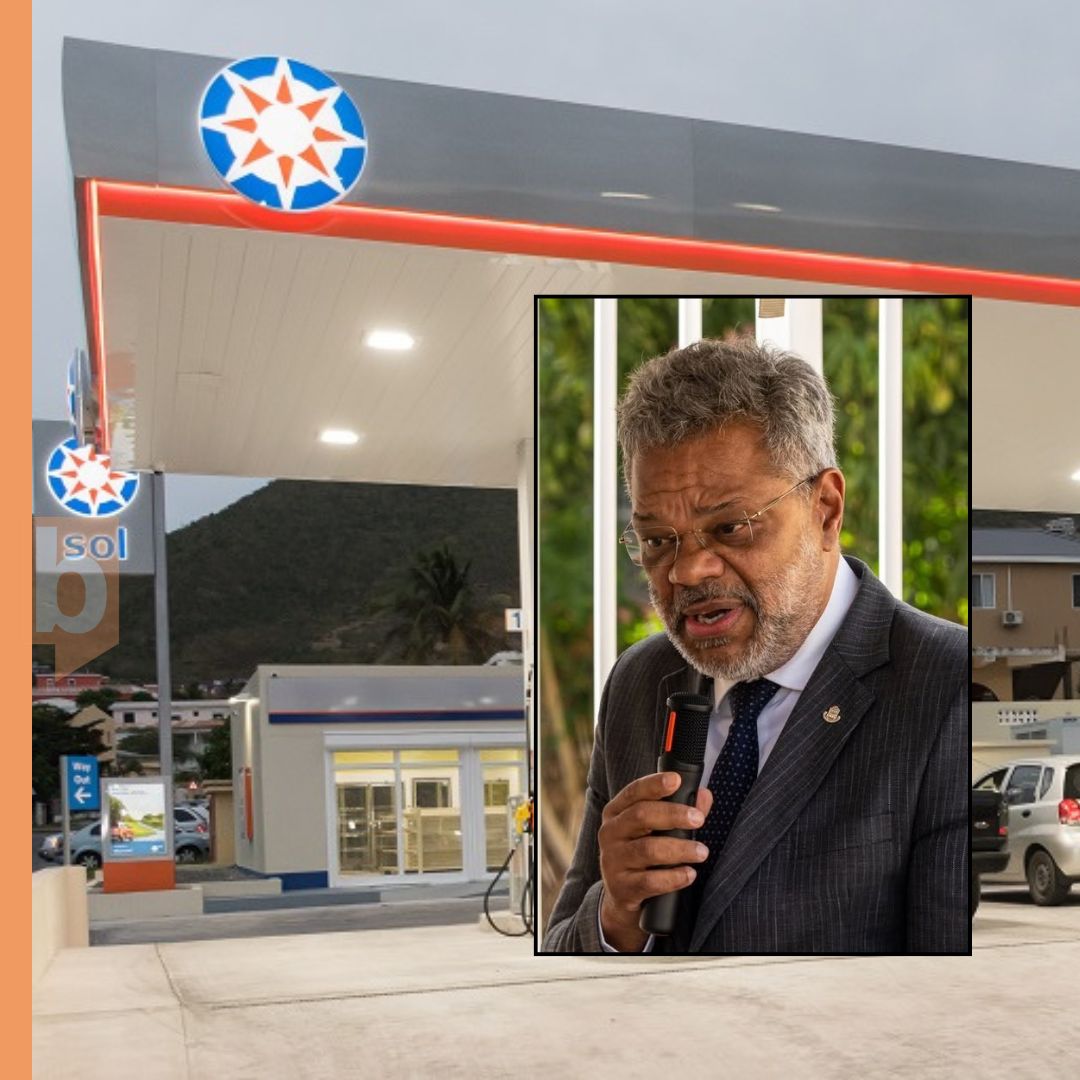
GREAT BAY--Prime Minister Dr. Luc Mercelina has brought together representatives of fuel supplier SOL, Minister of Finance Marinka Gumbs and Members of Parliament from both the coalition and opposition to examine fuel supply costs, question pricing arrangements and explore possible measures to reduce the financial burden of electricity on households and businesses in St. Maarten.
The informational meeting focused on several factors influencing fuel costs, including sourcing, transportation, storage, supplier margins and deliveries to NV GEBE. Participants also examined whether potential savings in fuel supply arrangements could eventually translate into lower electricity bills for consumers.
While several possible measures were discussed, including competitive procurement, expanded fuel storage capacity, a maximum supplier margin and fuel hedging, no agreement was reached on these proposals and no specific reduction in electricity bills was announced.
The meeting included SOL representatives Collin Francis and Robert James, along with MPs Veronica Jansen-Webster (URSM), Ludi de Weever (PFP), Omar Ottley (UPP) and Egbert Doran (NA), as well as support staff. Other Members of Parliament were invited but were unable to attend because of other obligations.
Prime Minister Mercelina explained that the meeting followed questions directed to him in Parliament and concerns raised by residents about the cost of electricity. He said bringing together representatives from different political parties provided an opportunity to obtain explanations directly from SOL and discuss an issue affecting the entire country.
"People approach us with questions about their electricity bills, and some of those questions are the same ones we have," Mercelina said. "We have a responsibility to listen, seek clear explanations and follow through. The purpose of this engagement is to better understand the issues and examine what can be done to alleviate the pressure on our people."
The Prime Minister also acknowledged MP Ottley's continued involvement in utility-related matters and invited him to open the discussion.
During the meeting, participants questioned SOL representatives about how fuel is sourced, transported and stored, how international pricing benchmarks influence costs, and what margins are applied by the supplier. Questions were also raised about the relationship between the price GEBE pays for fuel and the electricity charges ultimately passed on to consumers.
Francis and James explained SOL's supply arrangements, including how the company's gross margin differs from its actual profit. They indicated that the gross margin must also cover operating expenses such as personnel, maintenance, inspections, leases and investments, rather than representing money retained entirely as profit.
The discussion also examined GEBE's operational fuel requirements, particularly its use of heavy fuel oil and diesel to generate electricity. Participants emphasized the importance of accurate fuel demand forecasts that account for seasonal changes, new developments and adjustments to the company's generating capacity.
Reliable forecasting was identified as an important factor in planning fuel purchases, managing supply arrangements and avoiding unnecessary costs.
SOL also outlined the logistical and supply risks associated with continuing fuel deliveries without a formal supply agreement. The discussion highlighted the importance of structured contractual arrangements and closer coordination between the supplier and GEBE to maintain a reliable supply of fuel for electricity generation.
Among the possibilities raised was whether a competitive procurement process could help secure more favorable fuel prices, whether additional storage capacity could improve purchasing flexibility, and whether limits on supplier margins might be considered.
Participants also discussed fuel hedging, a financial arrangement that can help protect against certain future fuel price increases but may carry costs and risks of its own. These proposals would require further technical and financial evaluation before any decisions could be taken.
Another proposal involved asking SOL to consider contributing to community relief initiatives, particularly those intended to assist vulnerable households and senior citizens struggling with electricity expenses.
No commitment to such a contribution was announced.
Prime Minister Says Council of Ministers Was Informed
Mercelina also addressed suggestions circulating on social media concerning the nature of the meeting and whether the relevant government authorities had been informed.
He stated that the Council of Ministers was aware of the engagement and that both coalition and opposition representatives had been informed of its purpose.
"The Council of Ministers was informed, and the meeting was discussed at our Tuesday meeting," the Prime Minister said. "This initiative arises from a common concern: the pressure that electricity costs place on our people. The discussion was constructive and focused on technical questions."
The Prime Minister emphasized that the meeting was intended to gather information and explore possibilities, rather than make decisions outside the responsibilities of the ministries and institutions involved.
He also made clear that the discussions would not interfere with the ongoing supervisory review being conducted by the Bureau Telecommunications and Post (BTP).
SOL indicated during the meeting that it is cooperating with the BTP process.
"The established procedures must be respected and allowed to proceed," Mercelina stated. "This informational meeting does not replace that process or prejudge its findings."
The Prime Minister stressed that any future consideration of changes to fuel pricing or supply arrangements must respect the established regulatory framework and the responsibilities of the institutions involved.
The discussions nevertheless provided an opportunity for political representatives to question the supplier directly about factors that could affect the cost of electricity and to examine whether alternatives might offer financial benefits to GEBE and its customers.
For consumers, however, the immediate outcome is that the meeting produced no announced reduction in fuel prices or electricity bills. The proposals discussed remain possibilities requiring further assessment rather than agreed measures ready for implementation.
Mercelina thanked Minister Gumbs, the participating Members of Parliament, SOL representatives Francis and James, and the support staff for their contributions, emphasizing that continued dialogue should remain focused on the public interest and the financial pressures facing residents and businesses.
The engagement comes as electricity affordability remains a major concern for St. Maarten, with attention continuing to focus on the costs of supplying fuel to GEBE and whether changes in those arrangements could eventually deliver meaningful relief to consumers.
Join Our Community Today
Subscribe to our mailing list to be the first to receive
breaking news, updates, and more.