.jpg)


THE HAGUE--The Dutch government has called on St. Maarten, Curaçao and Aruba to consider introducing their own restrictions on goods originating from unlawful Israeli settlements, after approving a national trade ban that will not automatically apply in the three autonomous Caribbean countries.
The Dutch measure was published in the State Gazette on July 21 and is scheduled to take effect on September 22, 2026. It will apply in the European Netherlands and Bonaire, St. Eustatius and Saba.
The regulation will prohibit the importation, purchase and sale of goods produced or obtained wholly or partly in unlawful Israeli settlements. It will also prohibit brokerage services connected to the affected goods and attempts to bypass the restrictions.
The measure is targeted specifically at goods linked to settlements and is not a general prohibition on products from Israel. Goods lawfully produced within Israel, Palestinian goods that do not originate from settlements and products from other countries will remain eligible for trade.
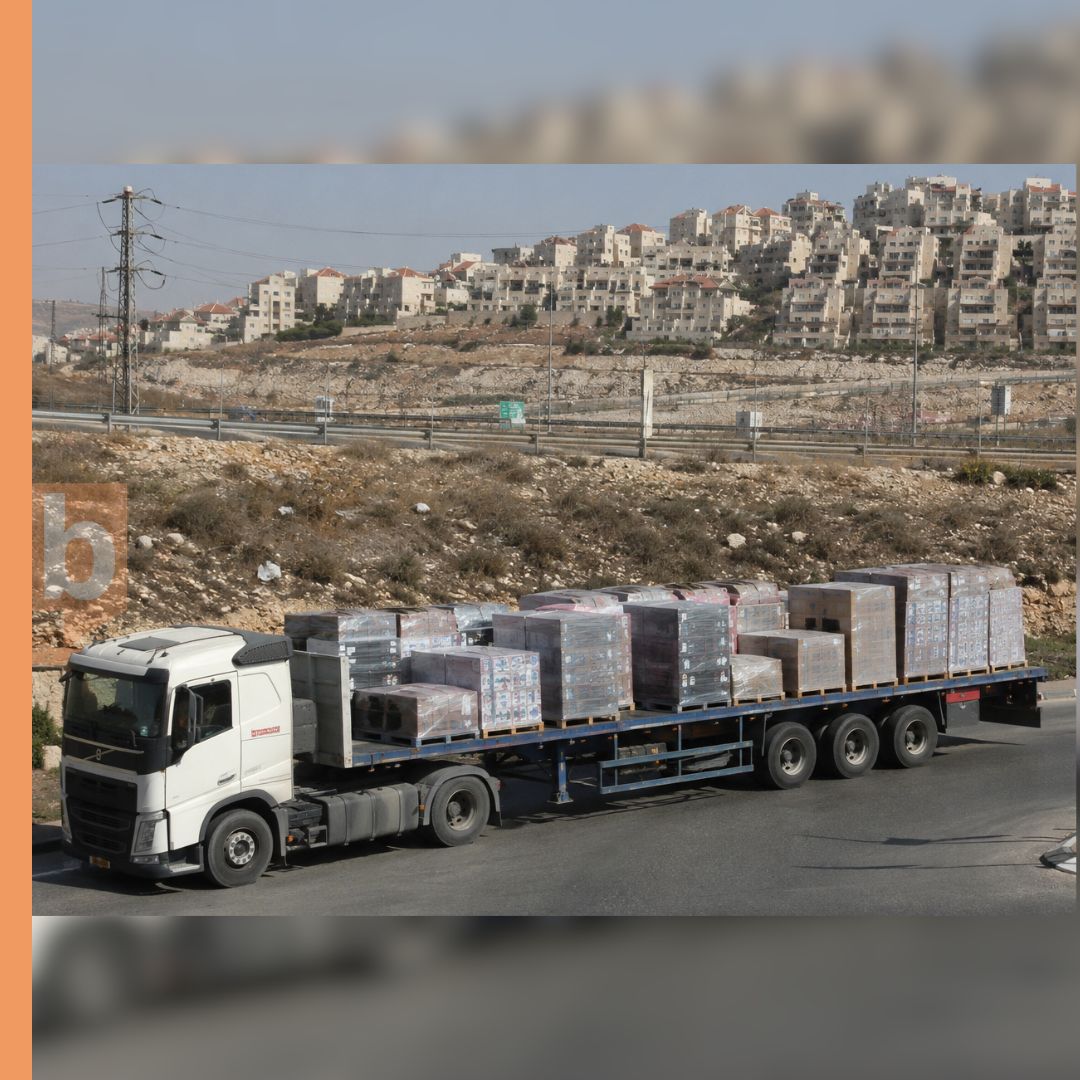
The affected settlements include locations in the occupied West Bank, including East Jerusalem, and the occupied Golan Heights. Dutch authorities will use an existing European Union list of locations and postal codes to help determine where products originate. The rules also cover goods containing raw materials or partially manufactured components from the listed settlements.
The Netherlands said the measure gives effect to its international responsibility not to support an unlawful situation. The decision refers to the July 2024 advisory opinion of the International Court of Justice and United Nations resolutions calling on countries to prevent trade and investment relationships that contribute to maintaining the occupation and settlement system.
The Dutch government pursued a national measure after sufficient support for an EU-wide restriction could not be secured. Slovenia and Spain have also adopted unilateral measures, while similar discussions have taken place in several other European countries.
Although foreign relations are handled at the Kingdom level, the newly adopted decision is based on the Dutch Sanctions Act and is not a Kingdom law. The Netherlands therefore cannot use it to impose the restriction directly on St. Maarten, Curaçao or Aruba.
Each Caribbean country has its own legislation allowing its government to adopt measures connected to international sanctions and recommendations. It will therefore be for the individual governments to determine whether matching restrictions are necessary and how they would be implemented locally.
The Dutch government considers coordinated action desirable for maintaining consistency in the Kingdom’s foreign policy. The Council of State also said cooperation with St. Maarten, Curaçao and Aruba would be logical in implementing the objectives of the measure.
The Netherlands has indicated that it is prepared to cooperate with the Caribbean countries on enforcement and the possible consequences of introducing similar restrictions.
Under the Dutch system, importers bringing Israeli goods into the Netherlands for sale in the European market may be required to declare that the products do not originate from an unlawful settlement. Customs authorities will oversee goods entering through external borders, while the Fiscal Intelligence and Investigation Service will be responsible for criminal enforcement involving purchases, sales, brokerage and attempts to avoid the rules.
Intentional violations will be treated as economic crimes and may result in imprisonment of up to six years, community service or a fine. Non-intentional violations may carry detention of up to one year, community service or a lower-category fine. Goods may be seized, and businesses may be ordered to suspend operations temporarily.
The measure will not prohibit goods that are merely passing through the Netherlands on their way to another country. The government said transit goods are not intended for the Dutch market and that a transit prohibition would be difficult to enforce.
Enforcement remains one of the main concerns surrounding the ban. The Council of State warned that establishing the precise origin of products could be difficult, particularly when goods contain ingredients or components from different locations. Settlement products could also enter the Netherlands through another EU member state and move across open borders without additional customs checks.
Despite those concerns, the government did not amend the decision following the Council of State’s advice. It said the combination of import, purchase, sale, brokerage and anti-circumvention restrictions was intended to reduce opportunities for avoidance.
The decision is temporary and will expire three years after taking effect unless it is withdrawn earlier or extended through legislation. The next step for St. Maarten, Curaçao and Aruba will be for their respective governments to determine whether to adopt comparable restrictions under their own laws.
Join Our Community Today
Subscribe to our mailing list to be the first to receive
breaking news, updates, and more.