


.jpg)


WILLEMSTAD--The new President of the Joint Court of Justice, Sigmar Carmelia, wants more Caribbean-born legal professionals to advance into the judiciary and is calling for a court system in which citizens can access justice without being disadvantaged by language or cultural differences.
Carmelia outlined these priorities during his official installation as President of the Joint Court of Justice on Friday, October 16, in Curaçao, setting out a vision for a judicial institution that better reflects the Caribbean communities it serves while maintaining its independence, professionalism and standards.
article continues below...
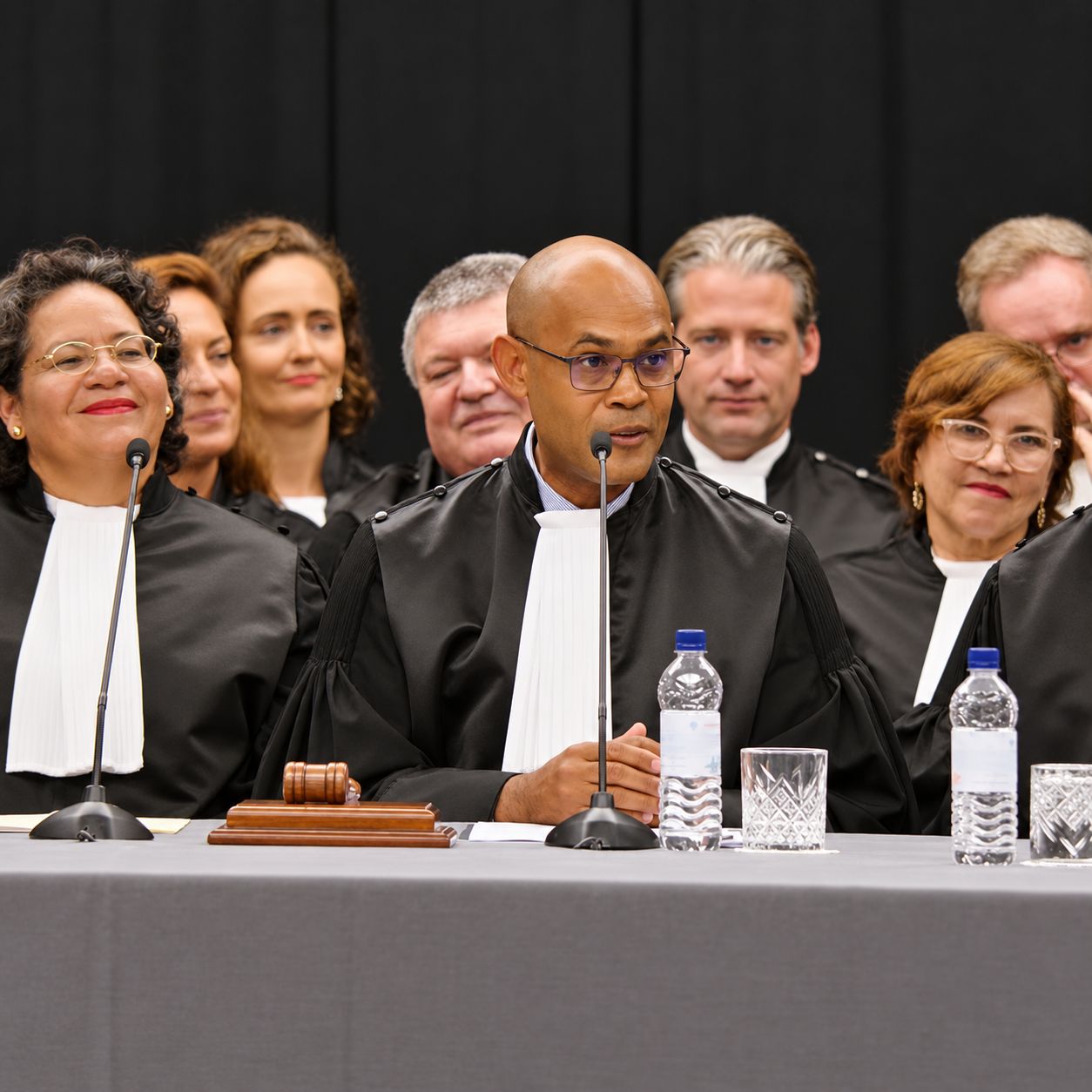
The Curaçao-born jurist, who is 49, becomes the 26th President of the Joint Court, which administers justice across St. Maarten, Curaçao, Aruba, Bonaire, St. Eustatius and Saba.
According to reporting by Curaçao media on his installation address, one of Carmelia's principal objectives is the continued "Caribbeanization" of the judiciary, creating more opportunities for legal professionals from the islands to develop their careers and eventually assume senior judicial responsibilities.
His message comes as the Joint Court faces the continuing challenge of maintaining sufficient judicial capacity across six islands with different languages, cultures and legal environments.
Carmelia believes the Court must do more to identify, develop and retain qualified legal talent from the Caribbean.
The objective is not simply to increase the number of locally born judges but to establish a sustainable system through which Caribbean lawyers and other legal professionals can gain the experience and qualifications necessary to progress within the judiciary.
As a relatively small judicial organization serving multiple jurisdictions, the Court must continually recruit and prepare new legal professionals to maintain the quality and continuity of its work.
Carmelia made clear, however, that encouraging Caribbean participation does not mean excluding judges or legal professionals from the Netherlands. He recognizes the continuing contribution of Dutch legal professionals, whose experience and expertise remain important to the Court's operations.
Instead, his approach places greater emphasis on ensuring that qualified Caribbean candidates have meaningful opportunities to enter the judiciary and advance within it.
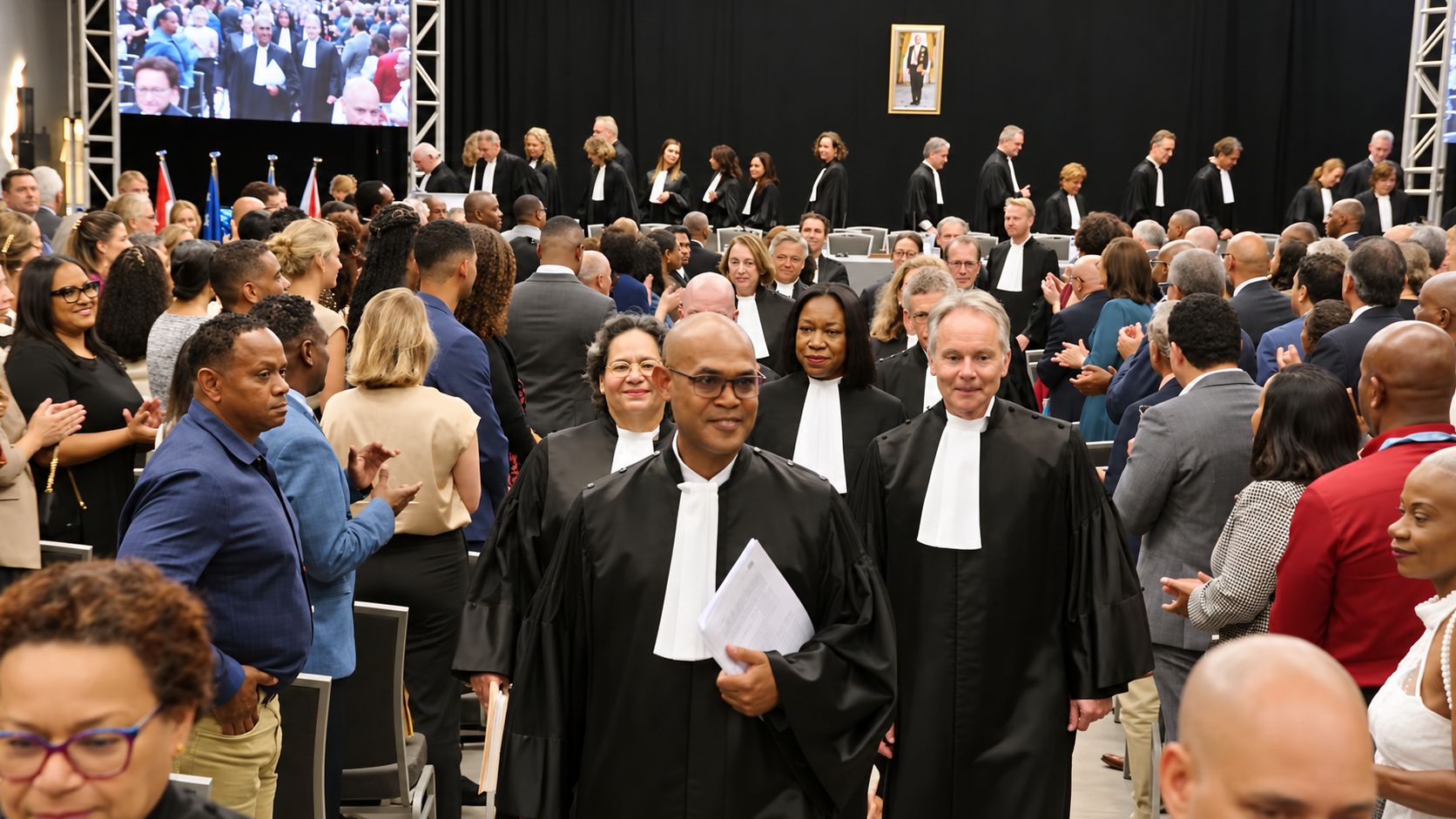
The Court has already undertaken initiatives aimed at attracting younger generations to the legal profession. These include guest lectures at schools and universities, open days and the annual Summer Court program, which allows young legal professionals to gain practical exposure to the workings of the judicial institution. Such initiatives are intended to encourage interest in judicial careers and help build a future pool of qualified candidates.
Another major priority identified by Carmelia is making the judicial system more accessible to the people it serves. The Joint Court operates across six islands where residents speak different languages and come from diverse cultural backgrounds. Although the islands share a judicial institution, the people appearing before the courts do not necessarily share the same first language or level of familiarity with legal procedures. Carmelia believes these differences must be recognized in the administration of justice.
A person appearing before a judge should be able to understand proceedings, communicate effectively and feel that their concerns have been heard, regardless of linguistic or cultural background.
During his address, he referred to an interpreter pilot initiative introduced by the Court to improve communication during hearings. According to the published account of his remarks, the initiative has helped ensure that interpreters are available at hearings so that individuals involved in proceedings can express themselves properly.
The Court has also introduced improvements to its policy governing the publication of judicial decisions, another measure connected to strengthening access to information about the administration of justice.
For St. Maarten and the other islands, these issues are particularly relevant because effective access to justice depends not only on the existence of courts but also on whether ordinary citizens can understand and participate in the proceedings that affect their lives.
Carmelia's position reflects the need to accommodate differences between the islands while upholding the common principles of equality, legal certainty and judicial independence.
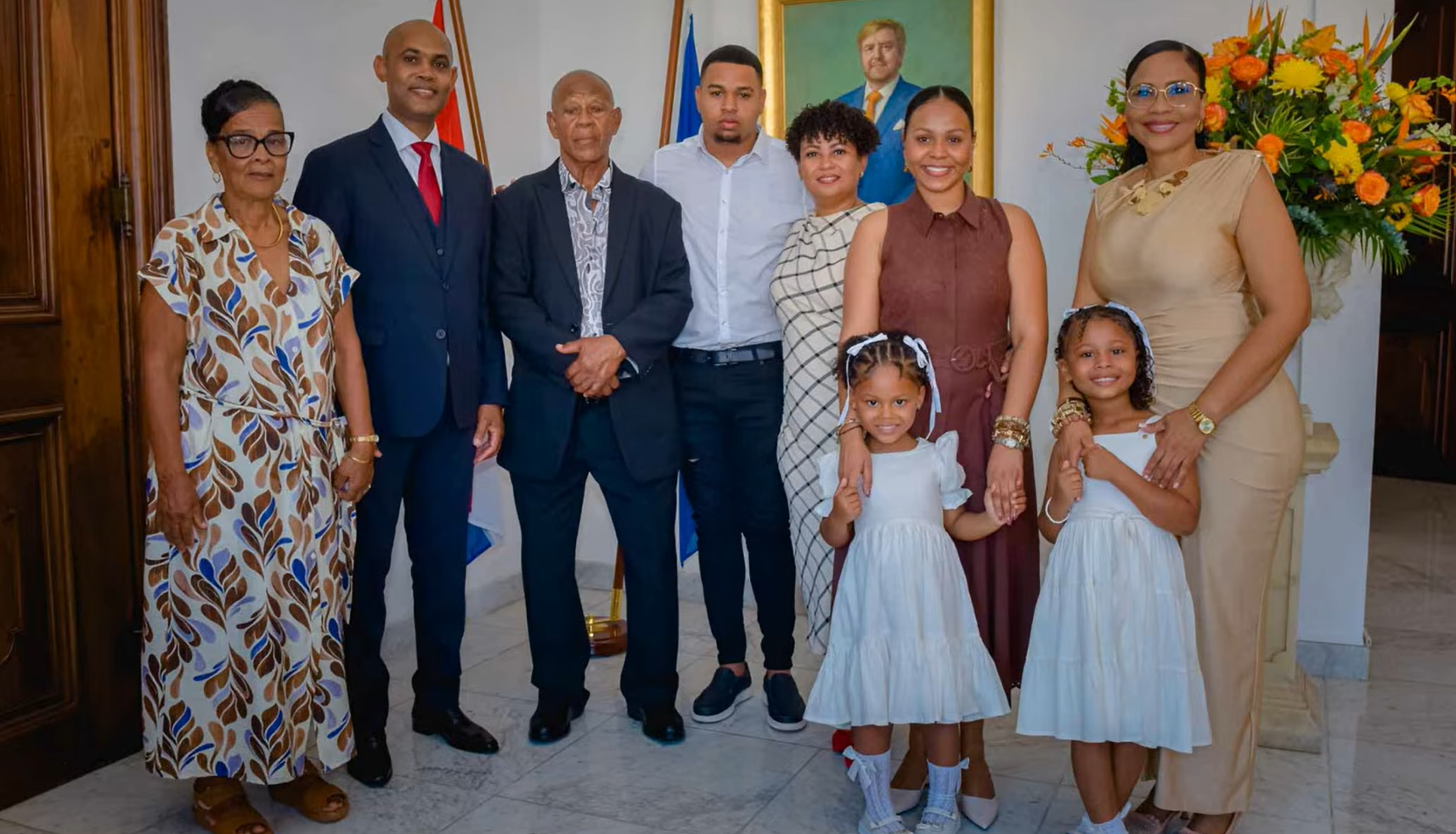
Carmelia's appointment is also significant because of his own professional development within the Caribbean legal system. Born in Curaçao in 1977, he grew up in the communities of Steenrijk and Brievengat. His father worked at the refinery, while his mother worked as a domestic employee.
He attended Radulphus College before pursuing legal studies at the University of the Netherlands Antilles and Radboud University in Nijmegen, the Netherlands. After completing his studies, he worked in the Netherlands before returning to Curaçao in 2004, where he practiced law for several years.
He began judicial training in 2012 and subsequently became a member of the Joint Court, handling both criminal and civil matters. Over the years, he also served as a press judge and spokesperson for the Court, becoming a familiar figure in the region's judicial community.
His professional background combines experience in private legal practice, judicial administration and public communication. Carmelia succeeds Mauritsz de Kort, who left the presidency of the Joint Court in November 2025 and subsequently became Governor of Curaçao.
The Dutch Kingdom Council of Ministers approved Carmelia's appointment earlier this year, and he was sworn in on May 12. Friday's ceremony marked his formal installation before the wider judicial community.
Beyond recruitment and language accessibility, Carmelia emphasized the importance of maintaining public trust in the administration of justice. His installation address presented judicial responsibility as extending beyond interpreting laws and delivering judgments. Respect, accountability and the confidence of the communities served by the Court are also essential to maintaining a functioning judicial system.
Join Our Community Today
Subscribe to our mailing list to be the first to receive
breaking news, updates, and more.