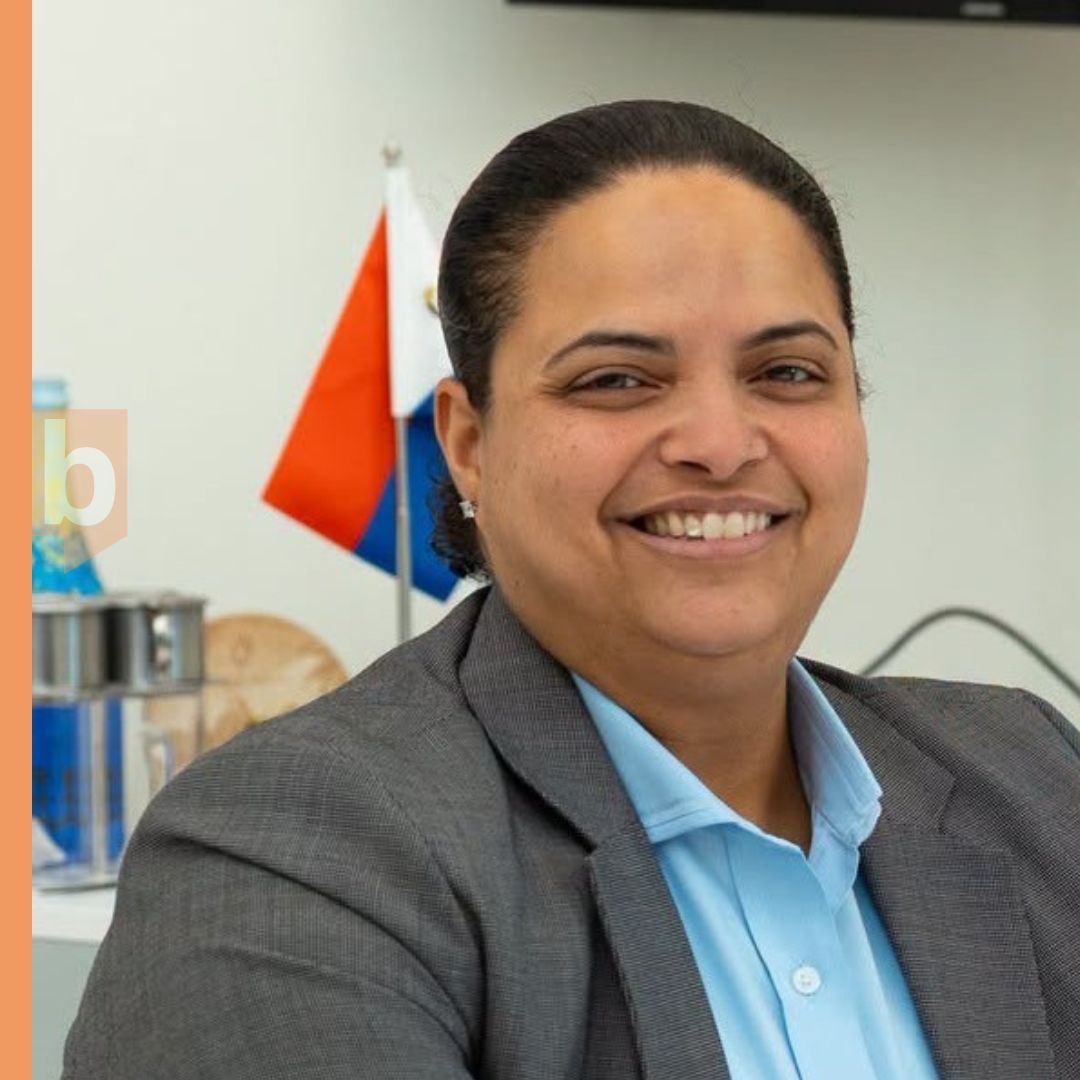



GREAT BAY--Minister of Education, Culture, Youth and Sport (ECYS) Melissa Gumbs has outlined plans for a specialized Educational Care Center (ECC) that will provide targeted intervention and individualized support for students experiencing significant behavioral challenges, while maintaining their connection to the regular education system.
The center, which will be housed in the reconstructed Charles Leopold Bell school facility, is scheduled to become operational in January 2028, following the anticipated completion of the building in December 2027.
Gumbs explained that the ECC is being developed as a specialized intervention program rather than a separate school. Its central objective is to help children overcome behavioral difficulties that interfere with their education and equip them with the skills and support needed to return successfully to their regular classrooms.
The minister emphasized that students referred to the ECC will remain connected to their original schools throughout the intervention process. The program will work closely with parents, teachers and student care coordinators to monitor each child's development, address underlying challenges and prepare for reintegration into the regular learning environment.
A major point of clarification from Gumbs concerned the difference between behavioral challenges and special educational needs. She explained that the two have too often been treated as interchangeable, although they are not necessarily connected.
While children with special educational needs may also experience behavioral difficulties, the minister stressed that behavioral problems alone do not automatically indicate a learning disability or another exceptional condition.
The ECC is therefore being designed specifically for students whose behavioral challenges require more intensive intervention than their regular school environment can provide. It is not intended to become a general placement facility for children considered difficult to manage.
Gumbs also highlighted the importance of understanding the circumstances behind a child's behavior. The approach being developed will seek to identify the contributing factors rather than simply respond to visible behavioral problems.
According to the minister, the ECC is currently projected to have 23 positions, reflecting the multidisciplinary approach required to provide the intended level of care and support.
Preparations are underway to begin recruitment for three key positions during the first quarter of 2027: a director, a psychologist and a social worker. Recruitment for the remaining positions is targeted for July 2027, allowing time for staff preparation ahead of the center's scheduled opening.
Inclusive Development Partners (IDP) is supporting the development of the program, including specialized training in behavioral interventions, positive behavioral support strategies and trauma-informed practices.
The training component will also incorporate a train-the-trainer approach, intended to establish sustainable local expertise. Under this model, trained professionals will eventually be able to transfer their knowledge to incoming personnel and contribute to the continued development of behavioral support capacity within the education system.
Gumbs indicated that the objective is not simply to build expertise within one institution, but to ensure that the knowledge and skills developed through the ECC can be maintained and expanded over time.
Work is continuing on the center's operational framework, including the procedures that will determine when a student should be referred for specialized intervention.
Gumbs emphasized that the ECC will not be a destination for every student who exhibits disruptive behavior or struggles with classroom discipline. Appropriate assessment and referral procedures will be necessary to determine which children require the level of intervention the center is being established to provide.
The development process also includes finalizing staffing arrangements, training requirements and the support systems necessary for the program to function effectively from its opening.
The minister's explanation places the emphasis on intervention, rehabilitation and reintegration rather than removing children from the mainstream education system indefinitely.
By keeping students connected to their schools and involving families and educational professionals in the intervention process, the ECC is intended to provide a structured pathway back into regular classroom learning.
Join Our Community Today
Subscribe to our mailing list to be the first to receive
breaking news, updates, and more.