.jpg)


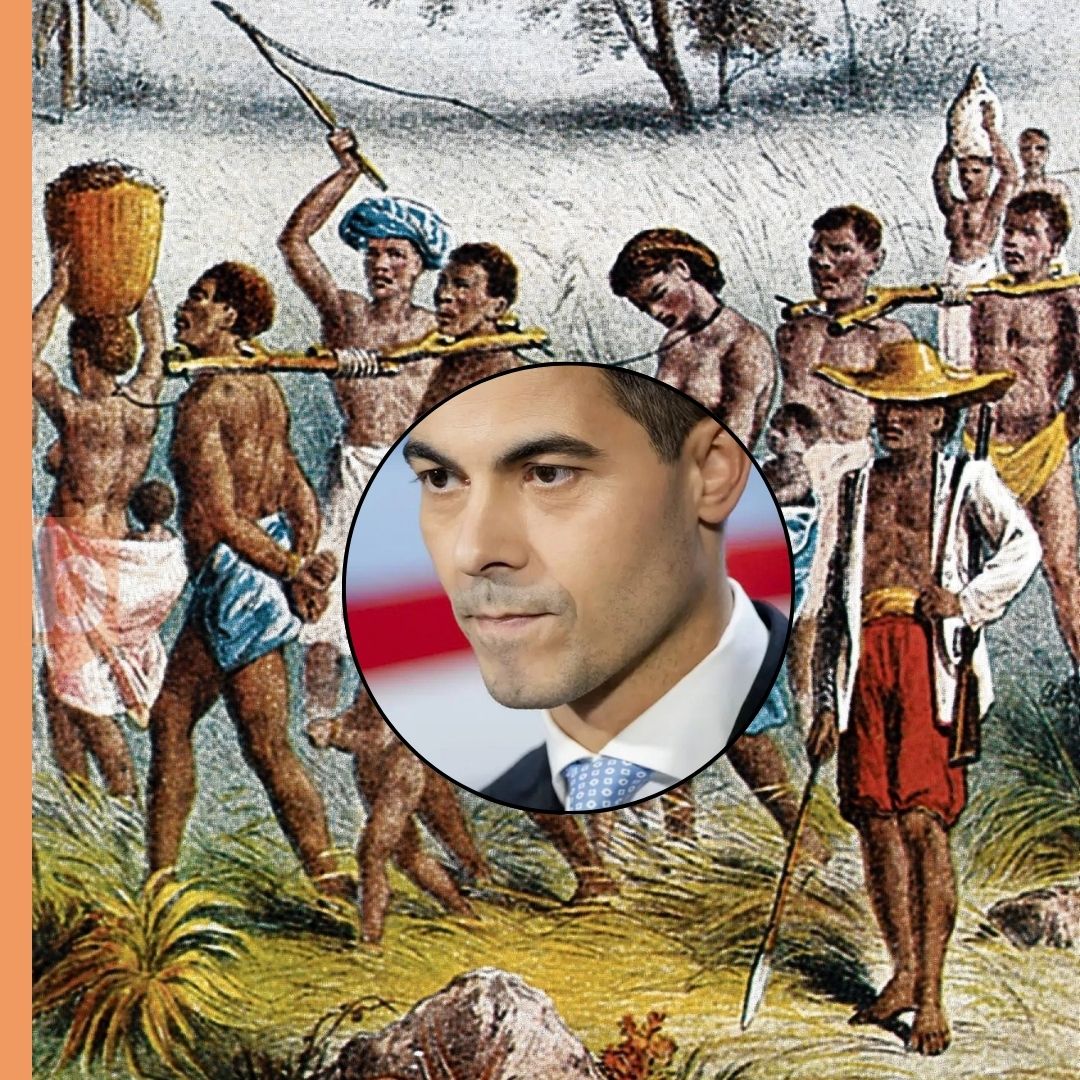
THE HAGUE--A large majority of Dutch people oppose paying reparations for the Netherlands’ slavery past, according to a new RTL panel, while Prime Minister Rob Jetten has also ruled out compensation following the publication of a major study into the colonial role of the House of Orange-Nassau.
The poll found that 83 percent of respondents said the Netherlands should not pay reparations linked to its slavery past, while only 8 percent supported such payments. Opposition was nearly universal among voters for the PVV, VVD, JA21, BBB and FvD, at 99 percent. Among D66 voters, 71 percent opposed reparations, while opposition stood at 50 percent among GroenLinks-PvdA supporters.
The results were published two days after Jetten said there would be no reparations arising from the study into the colonial involvement of the Dutch royal family. He pointed instead to the multi-year program already underway following the government’s apology for the Netherlands’ history of slavery.
Jetten said substantial funding had already been allocated to that effort. In 2023, following apologies by both the government and King Willem-Alexander, the Cabinet made 200 million euros available for related initiatives.
The prime minister said he was deeply impressed that King Willem-Alexander had personally commissioned the study and expressed hope that the findings could contribute to reconciliation for people affected by the colonial past. He also called for greater awareness of the lasting consequences of that history.
Jetten said the research could also strengthen education in schools and museums by providing a broader understanding of the colonial period and the role played by the Dutch state. He noted that the government’s ongoing plans include discussions with communities about colonial history and the return of art taken from countries during colonial rule.
The study concluded that members of the royal family were convincingly involved in colonialism and derived the equivalent of nearly 576 million euros from it.
The National Institute for the Study of Dutch Slavery and its Legacy, NiNsee, said the findings should mark the beginning of a new phase in how the country addresses its slavery past. Director Bianca Groen Gallant said historical research gains social importance when new findings contribute to public awareness, and the institute wants discussions with the Royal Family and other parties about possible next steps.
The report has also triggered criticism from activists. Mitchell Esajas, co-founder of The Black Archives and the New Urban Collective, announced that he would return the royal ribbon he received in 2023. Esajas said the King’s response to the findings did not go far enough and argued that words about reconciliation were insufficient while economic and racial inequality continued.
Esajas said the findings did not surprise him, pointing to the study’s conclusion that the royal family profited from slavery and colonialism in several ways. While he praised the King for commissioning the research, he also credited years of activism by Black communities with helping bring greater attention to the issue.
The RTL panel showed that public opinion is more divided over how much attention the colonial past should receive. Thirty-eight percent of respondents said too much attention is being paid to it, while most said the current level of attention is appropriate or should be increased.
There was also a generational gap. Among younger respondents, 24 percent said too little attention is being given to the issue, compared with just 6 percent among people aged 65 and older. Older respondents were more likely to say the slavery past receives too much attention.
Taken together, the poll and Jetten’s comments show that while debate over the Netherlands’ colonial history is continuing, both public opinion and the government are currently firmly against direct reparations. The focus instead remains on education, historical awareness, community dialogue, cultural restitution and programs already funded following the national apologies.
Join Our Community Today
Subscribe to our mailing list to be the first to receive
breaking news, updates, and more.