


GREAT BAY--Caribbean authorities are preparing for another difficult sargassum season as an unusually large Atlantic belt of floating seaweed continues to build and push westward, with heavy accumulations already affecting parts of the Mexican Caribbean and raising concerns about widespread impacts across the region as spring turns into mid-summer.
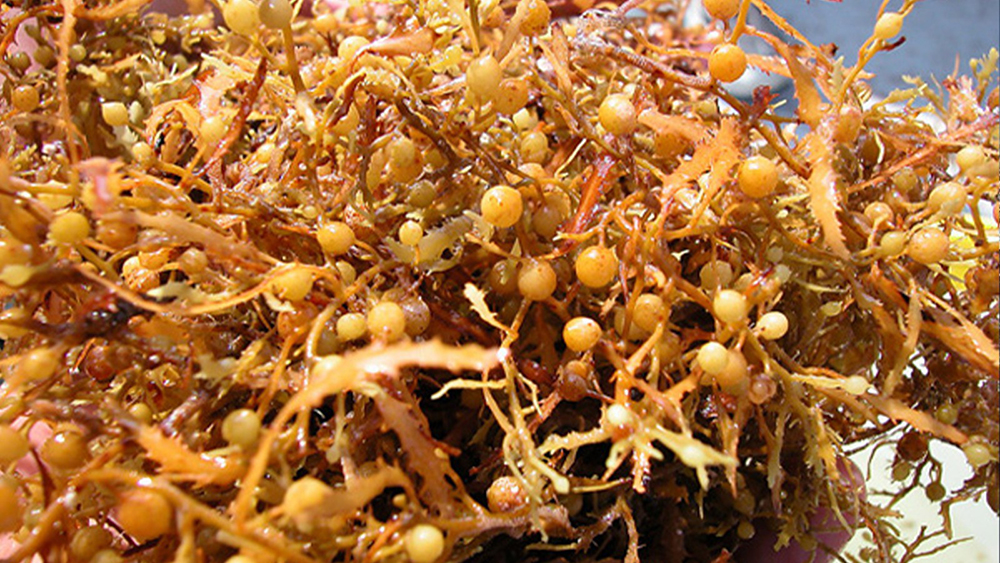
Scientific monitoring has repeatedly shown that the modern sargassum “belt” has grown in both frequency and intensity over the past decade, and early 2026 outlooks point to conditions that could again produce sustained beach landings across multiple Caribbean coastlines.
Regional forecasters stress that exact beach-by-beach outcomes depend on winds and currents, but the broader signal is clear: larger offshore volumes increase the odds of repeated inundation events for tourism hubs and residential coastal communities. NOAA and partner institutions continue to publish weekly and monthly risk products, while the University of South Florida’s outlook bulletins provide basin-wide context that helps governments and operators plan staffing, equipment, and response windows.
In the Mexican Caribbean, coastal managers have increasingly shifted from reactive beach cleanup to “sea-to-shore” strategies that prioritize interception and collection before sargassum reaches high-traffic beaches. Reports from Quintana Roo highlight expanded use of floating barriers and coordinated collection efforts involving public agencies and the Navy, alongside large-scale removal operations in key resort zones.
Across the wider Caribbean, governments are strengthening response playbooks that combine mechanical removal, controlled transport, and rules designed to reduce public health and environmental risks from decomposing seaweed. In the Dominican Republic, authorities have outlined emergency collection measures that include authorization of floating barriers to divert or contain sargassum for vessel collection, along with restrictions intended to prevent prolonged storage on beaches where decomposition can create strong odors and runoff concerns.
In Barbados, the Ministry of Environment has publicly defended its methods for clearing affected shorelines under its coordinated seaweed project, emphasizing structured operations and sustained deployment as landings persist.
Belize has also signaled early planning for 2026 through a national coordination approach aimed at reducing impacts via preparedness, equipment rollout, and collaboration with tourism stakeholders and coastal communities.
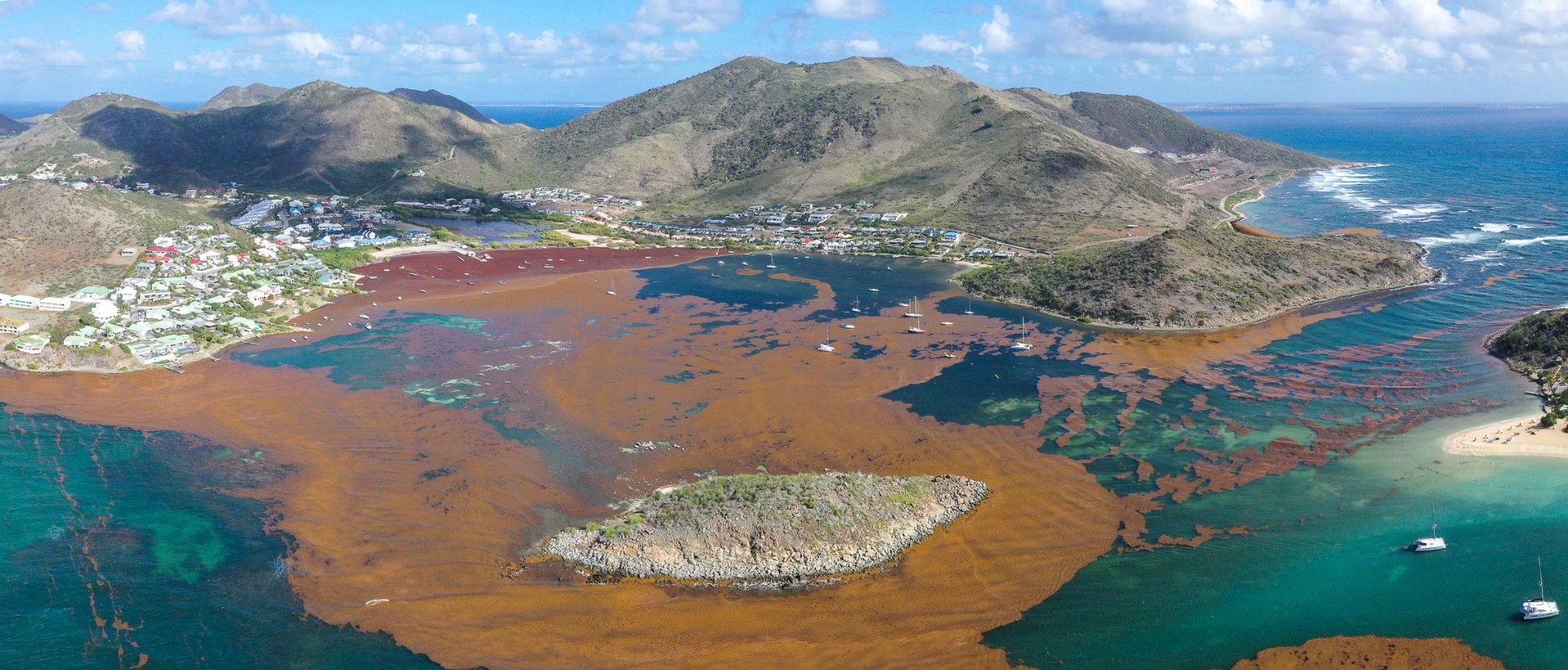
In St. Maarten, sargassum has already been treated as a recurring environmental and public health issue in recent seasons, with cleanup operations previously targeting heavily affected residential and tourism areas after public complaints and odor-related concerns. Environmental groups have also warned about knock-on impacts, including risks to nearshore ecosystems and turtle nesting areas when thick mats accumulate.
Regional partners are increasingly treating sargassum as a shared challenge requiring common standards and pooled solutions. The OECS and partners have advanced work under the SARSEA initiative, including steps tied to a 2026 strategy aimed at strengthening coordinated management responses.
International support programs are also in motion. UNDP is implementing a Japan-funded project to improve national sargassum management capacity in several Caribbean countries, focusing on collection, removal, and disposal systems.
Separately, announcements tied to EU-Caribbean engagement have emphasized building “value chains” that treat collected sargassum as a potential input for products, alongside national commitments to increase collection and processing capacity.
Authorities across the region are encouraging coastal communities and tourism operators to prepare for intermittent landings, particularly during periods of persistent easterly winds and strong nearshore currents. Governments are also emphasizing improved forecasting and early-warning monitoring, which helps schedule equipment and crews before major beach impacts occur, even if precise local timing remains difficult to guarantee.
Volunteer and community support remains a component of response in many jurisdictions, especially where rapid cleanup reduces odor, protects public access to beaches, and limits secondary impacts on nearby neighborhoods.
Join Our Community Today
Subscribe to our mailing list to be the first to receive
breaking news, updates, and more.