

.jpg)


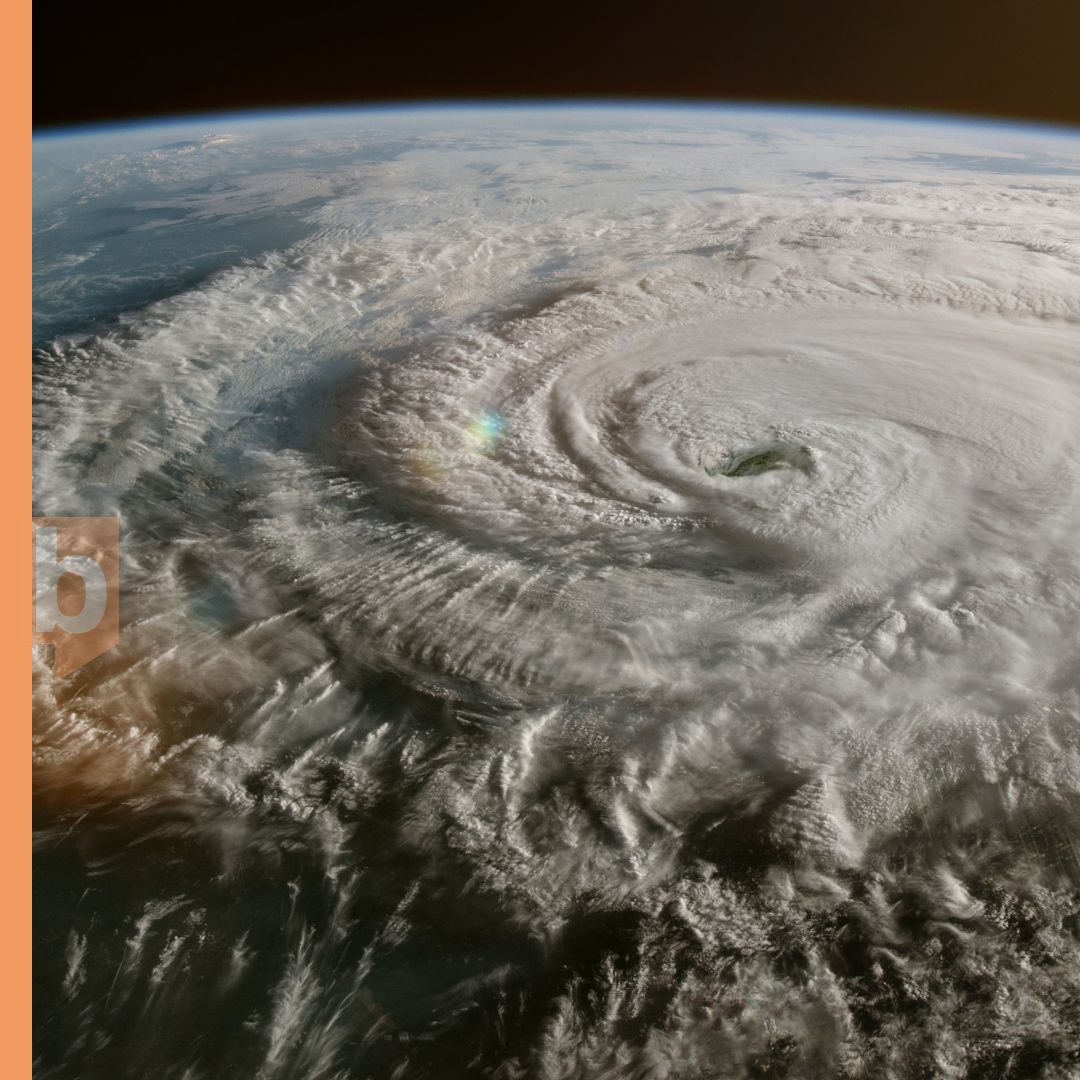
GREAT BAY--First things first, hurricane season is not over, but the 2026 Atlantic hurricane season has entered historic territory, with not a single hurricane forming through late September, despite the season passing the period when tropical activity is normally at its highest. Seven named storms have formed so far, but none has reached hurricane strength.
The unusually quiet season has been closely linked to the development and strengthening of El Niño, which generally creates atmospheric conditions that make it more difficult for tropical storms to organize and intensify in the Atlantic. The obvious question for St. Maarten and the wider Caribbean is whether those conditions could continue into the 2027 hurricane season.
As of September 26, the National Hurricane Center listed seven Atlantic named storms for 2026: Arthur, Bertha, Cristobal, Dolly, Edouard, Fay and Gonzalo. None reached the sustained wind threshold required to become a hurricane.
That is highly unusual for this point in the year. An average Atlantic season would normally have produced several hurricanes by late September, and 2026 has already established the latest occurrence of a season without a hurricane during the modern satellite era.
The lack of hurricanes, however, should not be confused with the hurricane season being over. The Atlantic hurricane season officially continues through November 30, and history has shown that hurricanes can still develop during October and November.
For the Caribbean, the story behind the quiet Atlantic is particularly important.
El Niño occurs when unusually warm waters develop across the central and eastern equatorial Pacific Ocean and interact with the atmosphere. Although the phenomenon begins thousands of miles from the Caribbean, it can have major consequences for Atlantic hurricane activity.
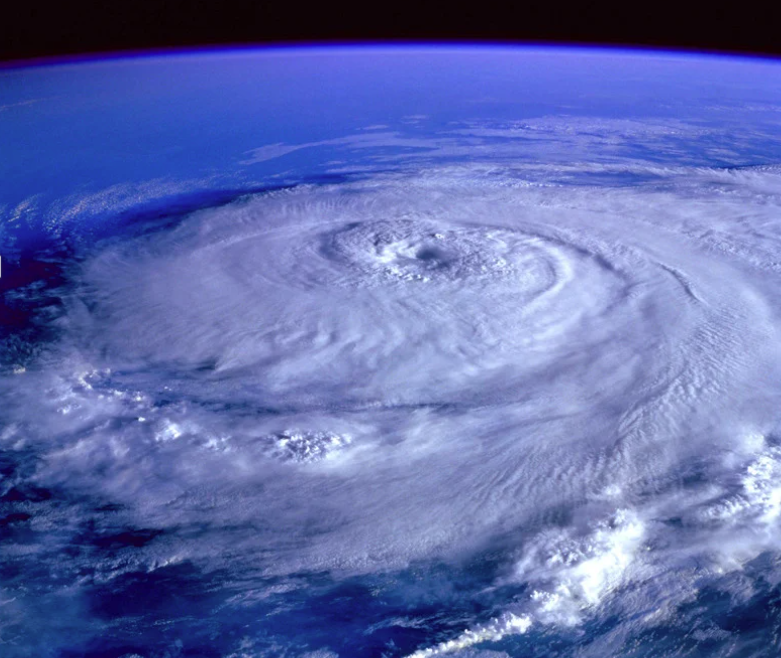
One of the most important effects is increased vertical wind shear across portions of the tropical Atlantic and Caribbean. Wind shear refers to changes in wind speed or direction at different heights in the atmosphere. Tropical cyclones generally require relatively low wind shear to remain vertically organized and strengthen.
Strong shear can disrupt thunderstorms around a developing tropical system, separate the storm's circulation from its convection and, in some cases, prevent a tropical storm from becoming a hurricane.
That appears to have been a major factor in 2026.
NOAA had already anticipated a quieter season, forecasting a 55 percent probability of below-normal Atlantic hurricane activity, largely because of the expected emergence of El Niño. By September, El Niño had strengthened considerably.
The contrast between the Atlantic and Pacific has been striking. While the Atlantic had produced no hurricanes through late September, several hurricanes developed in the eastern and central Pacific, including powerful systems reaching major hurricane strength.
That pattern is consistent with the typical influence of El Niño. Conditions that can suppress Atlantic hurricane development often become more favorable for tropical cyclone formation in parts of the Pacific.
What happens in 2027?
Early climate forecasts indicate that El Niño is very likely to remain in place during at least the opening months of 2027.
NOAA's September outlook gives El Niño a 100 percent probability through the January-February-March 2027 period. The probability remains 97 percent for February-March-April and 82 percent for March-April-May.
By April-May-June 2027, however, NOAA's outlook becomes considerably less certain. The probability of El Niño falls to 43 percent, while the probability of neutral conditions rises to 55 percent.
Another international climate outlook is somewhat more persistent. The International Research Institute for Climate and Society's September forecast strongly favors El Niño continuing through the spring and potentially into early summer 2027.
What those forecasts do not yet establish is whether El Niño will still be present when the 2027 Atlantic hurricane season begins on June 1, or whether it would remain strong enough during the core August through October period to significantly suppress hurricane activity again.
That distinction matters.
An El Niño that weakens rapidly during the first half of 2027 could have a very different influence on the next hurricane season than one that remains established throughout the summer.
There is also a major forecasting limitation at this range. Predictions about El Niño and La Niña become less certain the further they extend into the future, particularly when looking across the Northern Hemisphere spring. Climate scientists therefore generally become more confident about the state of the Pacific, and its potential influence on the Atlantic hurricane season, closer to the start of hurricane season.
A very strong El Niño
What forecasters are considerably more confident about is the strength of the current event.
NOAA's Climate Prediction Center said in September that El Niño was strengthening and placed the probability of a very strong El Niño during the Northern Hemisphere fall and winter of 2026-2027 at greater than 90 percent.
NOAA's outlook also indicated a 75 percent probability that the October through December 2026 period could reach levels exceeding previous El Niño events in records dating to 1950.
Even an exceptionally strong El Niño, however, does not mean hurricanes cannot form in the Atlantic. It changes the environment and generally reduces the likelihood of development, but individual storms can still form and become dangerous.
Previous strong El Niño years have produced Atlantic hurricanes, including late-season hurricanes.
For St. Maarten and the rest of the Caribbean, therefore, the extraordinary quiet of 2026 cannot be treated as evidence that hurricane preparedness is no longer necessary.
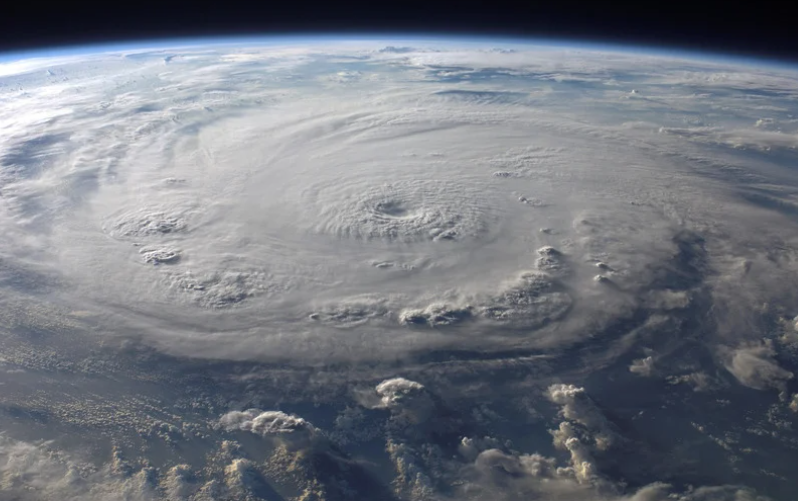
The National Hurricane Center's statistics through September 26 show just how unusual this season has been. The Atlantic had produced seven named storms compared with a normal ten by that stage of the season, zero hurricanes compared with a normal four, and zero major hurricanes compared with the normal two. Overall accumulated cyclone energy, a measure of the combined strength and duration of tropical storms and hurricanes, was approximately 90 percent below normal.
Whether the entire 2026 season ultimately ends without a hurricane remains to be seen.
Only two years in the historical Atlantic record, 1907 and 1914, are generally listed as having completed the season without a recorded hurricane. Modern observing systems are considerably more sophisticated than those available more than a century ago, making the 2026 situation particularly notable.
The season also provides a reminder of how quickly conditions can change from one year to another.
For St. Maarten, perhaps the most important question is therefore not whether the remarkable absence of hurricanes in 2026 will simply repeat itself in 2027. It is whether the El Niño conditions largely responsible for suppressing Atlantic activity will survive long enough to influence another hurricane season.
The answer, for now, is that El Niño is expected to continue well into 2027, but it is still too early to say with confidence that it will remain in place throughout the 2027 Atlantic hurricane season.
More reliable indications should emerge during the first half of next year as forecasters determine how quickly the current El Niño begins to weaken.
Until then, 2026 remains remarkable: seven Atlantic named storms through late September, but not one hurricane.
Join Our Community Today
Subscribe to our mailing list to be the first to receive
breaking news, updates, and more.
