

.jpg)


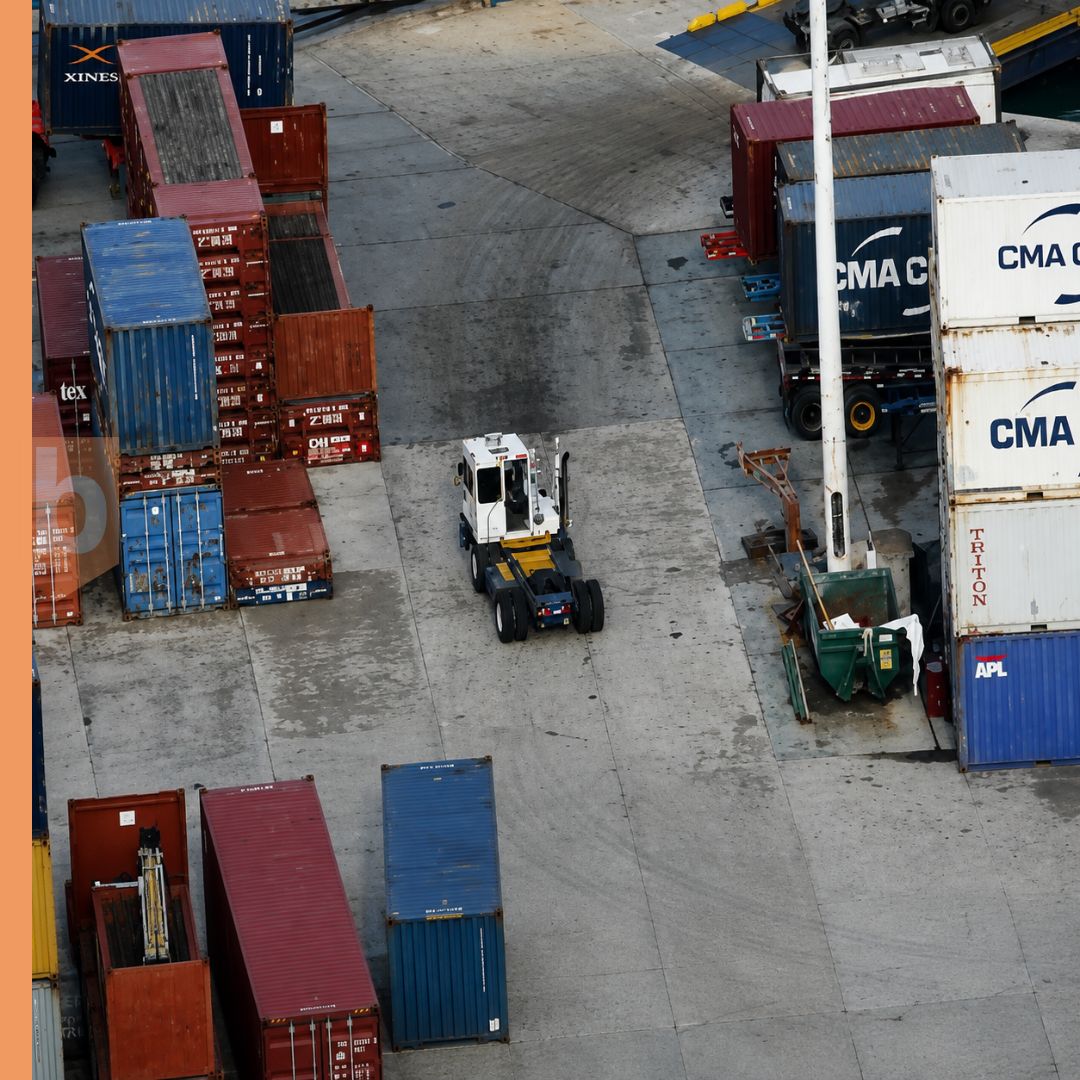
GREAT BAY--Signs of slower construction activity on St. Maarten are beginning to appear in the island’s cargo statistics, with Port St. Maarten figures showing sharp declines in sand imports and other non-containerized cargo during the first six months of 2026, even as overall container traffic continued to grow.
The numbers do not point to a general slowdown in imports. In fact, Port St. Maarten handled more containers between January and June 2026 than during the same period last year. What stands out instead is what happened in several cargo categories more closely associated with construction, large projects and physical development.
Sand provides perhaps the clearest signal. Port figures show that 15,400 GRT of sand arrived through seven incoming movements during the first six months of 2025. For January through June 2026, that fell to 5,700 GRT across four movements. That represents a decline of approximately 63 percent in the amount recorded by the Port.
For an island that imports most of the raw materials needed for development, such a reduction is significant. Sand is used extensively in concrete and other construction applications, meaning substantial changes in imports can offer some indication of the level of building activity taking place.
Gravel presents another interesting comparison. Port St. Maarten's January-to-June 2025 figures recorded four incoming gravel-by-weight movements totaling 10,028 GRT. There is no corresponding gravel-by-weight entry on the 2026 side of the Port's six-month comparison. The People’s Tribune understands that reportedly minimal gravel shipments have arrived so far in 2026 (possibly two), although that figure could not be independently confirmed.
The information should therefore be treated cautiously, particularly since cargo can sometimes be recorded under different classifications. Still, when combined with the decline in sand, the scarcity of gravel shipments adds another piece to a broader picture of reduced demand for materials normally associated with construction.
Oversized and non-container cargo drops sharply
Another figure that stands out is the Port's "General by Weight IN" category. This refers broadly to goods arriving outside of containers, including cargo that is too large for conventional containers or otherwise transported as non-containerized freight.
In the first six months of 2025, the Port recorded 29 incoming movements totaling 56,345 GRT under this category. During the same period in 2026, that declined to just 10 movements totaling 18,500 GRT.
That is a reduction of approximately 67 percent.
Not everything included under general cargo by weight is necessarily destined for construction. The category can contain different types of oversized and non-containerized goods, so the decline cannot simply be treated as a measurement of construction activity.
However, large construction projects often generate demand for precisely the types of items that do not conveniently arrive inside standard shipping containers. A fall of more than two-thirds in this category, alongside substantially lower sand activity, makes the trend difficult to ignore.
General cargo measured by volume also declined. Incoming general cargo by volume fell from 1,695 cubic metres across 36 movements in the first half of 2025 to 755 cubic metres across 10 movements in 2026, a reduction of approximately 55 percent.
Cement is the major exception
One important figure: cement remained virtually unchanged.
Cement demand can be supported by a wide variety of activity, including residential construction, renovations, road and infrastructure work, repairs and projects that were already underway. Its stability therefore does not necessarily contradict indications that fewer new or large developments are starting.
Port St. Maarten recorded 30,007 GRT of incoming cement during January through June 2025, compared with 30,057 GRT during the same six months of 2026.
That is an increase of less than one percent. The number of incoming cement movements also rose from 12 to 14.
Heavy equipment offers another mixed signal. Only two incoming heavy equipment movements were recorded during the first six months of 2026, compared with four during the same period in 2025.
The containers are still coming
Perhaps the most interesting part of the Port figures is that none of this is happening against a backdrop of declining container traffic. Total container throughput reached 74,333 TEUs during the first six months of 2026, compared with 70,474 TEUs during the same period in 2025, an increase of approximately 5.5 percent.
Full import containers, which are more directly associated with goods entering the local economy, increased from 13,439 TEUs to 14,292 TEUs, a rise of approximately 6.3 percent. Total local container activity, including imports and exports of full and empty containers, increased from 27,931 TEUs in the first half of 2025 to 30,270 TEUs this year, up approximately 8.4 percent.
The containers are still coming, but the building materials tell a different story.
St. Maarten continues to import significant volumes of food, consumer goods, household items, retail merchandise and other products that move primarily by container. Stronger container numbers therefore suggest that cargo activity and demand in the wider economy have not simply fallen away.
At the same time, sharply lower sand imports, reduced non-containerized cargo and apparently limited gravel activity suggest that the construction sector may be moving differently from the broader import economy.
The Port statistics provide an additional economic indicator at a time when construction activity on St. Maarten has visibly slowed compared with periods when several major developments were simultaneously underway.
The first half of 2026 was therefore not a weak period for Port St. Maarten's cargo business overall. Container throughput increased, full imports increased and local container activity increased. But underneath those positive totals, the categories associated most closely with building and major physical projects are giving St. Maarten a very different economic signal.
Join Our Community Today
Subscribe to our mailing list to be the first to receive
breaking news, updates, and more.
