.jpg)


GREAT BAY/THE HAGUE--Children and young people in St. Maarten and across the Dutch Caribbean are expected to benefit from a new four-year effort to make theater and cultural education more accessible throughout the Kingdom of the Netherlands.
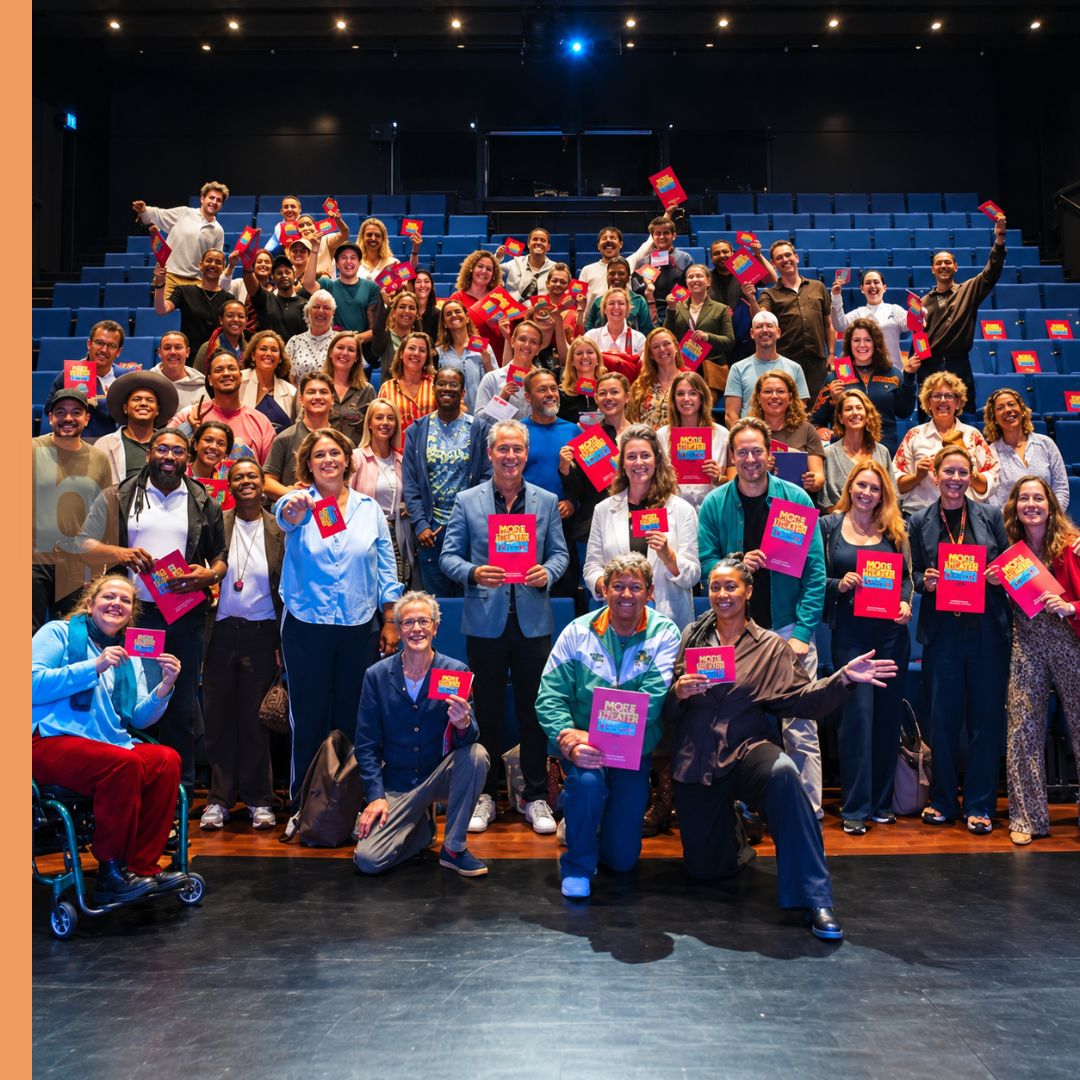
More than 80 organizations from the cultural and education sectors have signed the Theateropleiders Akkoord, an agreement aimed at giving arts and cultural education a more permanent place within education and improving access to theater for children and young people in both the Netherlands and the Caribbean part of the Kingdom. The agreement was presented during the Nederlands Theater Festival.
The initiative specifically includes attention for the Theater Education Program, or TEP, in the islands, making the agreement particularly relevant for St. Maarten, Curaçao, Aruba, Bonaire, St. Eustatius and Saba.
The Theater Education Program is already being developed as a regional initiative aimed at strengthening the number of qualified theater educators in the Caribbean. Organizers have said there is a strong need for trained theater teachers in the region, while a bachelor-level theater teacher training program is currently not available locally.
The program has brought together theater professionals, educators and cultural organizations from Curaçao, Aruba, Bonaire, St. Maarten, Suriname and the Netherlands to explore a regional training model. Research and development activities have already taken place in Aruba, Bonaire and Curaçao, with St. Maarten also identified as one of the locations in the wider development process.
The goal is to establish a shortened, part-time higher professional education program for theater teachers beginning in 2027. The proposed training is being developed for and with professionals in the region, with support from the Theater Teacher program of the Amsterdam University of the Arts.
Organizers say the regional approach is intended to do more than train teachers. It is also designed to strengthen the cultural infrastructure of the islands, create more opportunities for local talent and ensure that Caribbean stories, languages and experiences are reflected in theater education.
During a research week held in Curaçao in May, artists, teachers, producers and cultural organizations from across the Caribbean and the Netherlands worked on connections between theater practice, education and cultural policy. The discussions formed part of preparations for the proposed 2027 training program.
Another component under development is an online learning environment referred to as the International Classroom. According to those involved in the project, the platform is intended to combine local knowledge with international expertise while allowing participants across different islands and countries to work together.
The broader Theateropleiders Akkoord now gives that regional effort a place within a larger four-year collaboration among cultural institutions and education organizations.
Under the agreement, participating organizations will work together to improve access to arts and cultural education and to promote equal opportunities among children and young people. The aim is to move theater education away from being an occasional activity and toward becoming a more established part of children's education.
For St. Maarten, the inclusion is notable because education and cultural policy are primarily responsibilities of the individual countries within the Kingdom. The Kingdom consists of the Netherlands, Aruba, Curaçao and St. Maarten, while Bonaire, St. Eustatius and Saba form part of the Netherlands as public entities.
That means implementation of initiatives such as theater education can differ considerably between the islands, depending on local schools, cultural organizations, government policy, staffing and available funding.
The regional Theater Education Program is intended in part to address one of those structural challenges, the shortage of locally trained professionals who can provide theater education on a sustained basis.
The development team has stressed that the program should be built with the region rather than simply transferring a Dutch education model to the Caribbean. Its stated principles include equality, shared ownership and incorporating Caribbean knowledge, culture, heritage and language into the training.
Research connected to TEP has also examined how theater and arts education can support broader youth development. During earlier work in Bonaire, participants discussed the relationship between arts education, citizenship education, employment opportunities for cultural professionals and the role culture can play in strengthening young people's connection to their community and identity.
The agreement signed this week does not by itself establish new theater classes in every school or guarantee a specific number of classes for St. Maarten. The information released so far also does not specify how much funding will be available to individual islands or when additional theater instruction would begin locally.
It does, however, place the Dutch Caribbean within a coordinated four-year effort to expand access to theater education while a separate regional training system for theater teachers is being developed.
If the proposed teacher training launches as planned in 2027, it could provide St. Maarten and neighboring islands with a new route for developing locally based theater educators rather than relying primarily on professionals trained abroad.
Join Our Community Today
Subscribe to our mailing list to be the first to receive
breaking news, updates, and more.