


ST. EUSTATIUS--As St. Eustatius commemorates the 250th anniversary of the First Salute of 1776, the St. Eustatius Afrikan Burial Ground Alliance is challenging the historical narrative surrounding the celebrations, arguing that the island's role in the transatlantic slave trade and the suffering of enslaved Africans must receive equal attention.
In a statement issued on November 16, the Alliance, led by President Kenneth Cuvalay, questioned the decision to celebrate an event associated with American independence without fully confronting the system of slavery that existed on Statia during the same period.
The organization pointed to historical shipping records from 1776, the same year the island became known for firing the first foreign salute to an American vessel flying the flag of the newly independent United States. According to the Alliance, records show at least six voyages involving the transportation of enslaved Africans to and from St. Eustatius during that year.
Among those identified were the Haast U Langzaam, which arrived from Suriname carrying 200 enslaved Africans, and the Vrouw S. Catharina, which arrived from Berbice with 90. The Haast U Langzaam also made a voyage from Zeeland in the Netherlands, through Cape Lahou on the Ivory Coast, to Statia, carrying another 249 enslaved Africans.
Other recorded movements included The Ranger, arriving from St. Kitts with 34 enslaved Africans, and the Dulfair, which transported 101 from Barbados. The Susana carried 41 enslaved Africans from Statia to Mole Saint Nicolas in Haiti.
The Alliance stated that 33 African captives died during these voyages, citing conditions that included disease, suffocation, deprivation of food and water, physical abuse and violent suppression of resistance. It further argued that recorded voyages represent only part of the island's involvement in the slave trade, with undocumented journeys and deaths adding to the human toll.
article continues below...
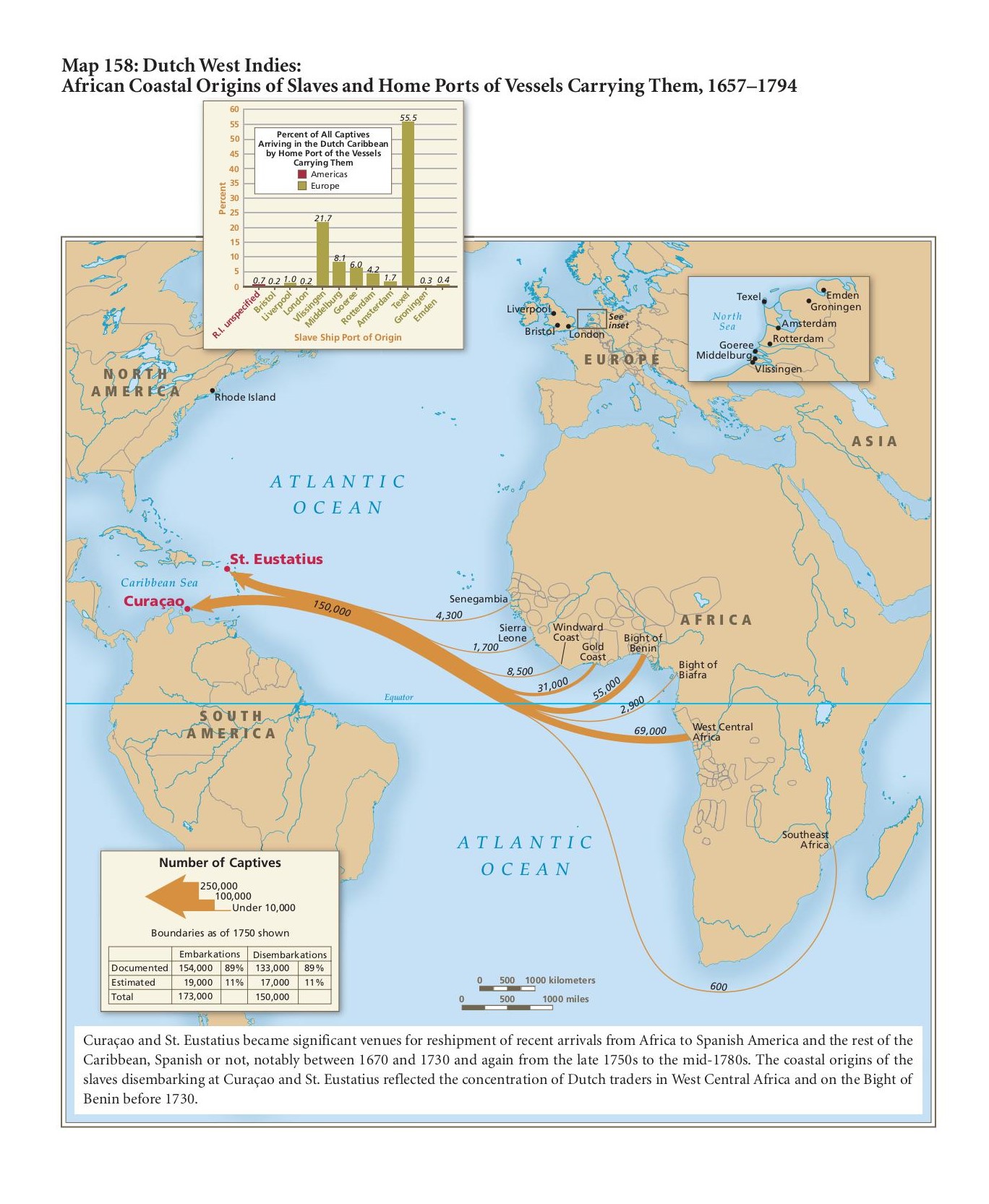
For the organization, these historical realities cannot be separated from the First Salute, which has traditionally been commemorated as an important moment in the recognition of American independence.
The Alliance also pointed out that enslaved Africans played significant roles on both sides of the American Revolutionary War, serving as soldiers, spies and laborers, while others joined British forces after being promised freedom. Despite those contributions, many remained enslaved or were denied the freedom they had been promised.
Cuvalay said opposition to the anniversary celebrations exists within the Statian community and questioned whether residents had been sufficiently involved in determining how the event should be commemorated.
"Many people in St. Eustatius are opposed to the First Salute celebrations, claiming it’s not their history. The community was never consulted on the matter," Cuvalay stated.
He said the Alliance had raised its concerns with representatives of the Dutch ministries responsible for Kingdom Relations and Education, Culture and Science during meetings in 2024.
According to Cuvalay, the organization also communicated its opposition to the First Salute steering committee and members of the island's Executive Council.
The Alliance maintains that the commemorations are connected to a parliamentary motion adopted in the Netherlands in 2018 and argues that the celebrations have proceeded without sufficient consideration of local concerns.
It also questioned whether the Dutch government's previous apologies for slavery have been followed by meaningful action to address the lasting effects of colonial exploitation.
Former Dutch Prime Minister Mark Rutte and King Willem-Alexander have both formally apologized for the Netherlands' history of slavery. However, the Alliance argues that those apologies have not been accompanied by sufficient engagement on reparations, long-term public investment, psychological healing and the structural inequalities it associates with colonialism.
The organization questioned what lasting benefits the anniversary celebrations would bring to the people of St. Eustatius once visiting dignitaries and other guests depart.
It specifically raised concerns about housing, employment, healthcare, the cost of living and education, arguing that historical remembrance should also contribute to improving present-day conditions.
The Alliance acknowledged the importance of honoring the island's freedom fighters but maintained that memorials and symbolic recognition cannot substitute for addressing the deeper consequences of slavery.
"It's great to honor our freedom fighters, but we also need to confront the systems that perpetuate inequity," the organization stated.
The Alliance emphasized that an honest examination of history must include the violence, exploitation, family separation and generational trauma associated with the transatlantic slave trade, rather than presenting a selective account focused primarily on colonial achievements and international recognition.
It argued that confronting these painful chapters is necessary not only to honor those who suffered and resisted slavery, but also to help younger generations better understand their heritage and the historical roots of contemporary social challenges.
"Only the complete truth can set us free," the Alliance declared.
Despite its opposition to the manner in which the First Salute anniversary is being celebrated, the organization extended an invitation to the government of St. Eustatius and the responsible ministries in The Hague to work collaboratively on historical recognition and community development.
The Alliance called for greater investment in grassroots cooperation, meaningful dialogue and initiatives that connect the remembrance of slavery with improvements in the lives of Statian residents.
Its statement introduces a critical perspective during an anniversary that has attracted considerable attention to St. Eustatius and its place in American and Caribbean history, raising questions about whose history is being celebrated, whose experiences have been overlooked and what meaningful recognition of the island's past should involve.
The First Salute 250th-anniversary commemoration is taking place on November 16, 2026, on Sint Eustatius to mark the 1776 cannon salute from Fort Oranje to the American warship Andrew Doria, which is widely recognized as the first international acknowledgment of the United States flag.
Photo credits: Eltis, D., & Richardson, D. (2010). Atlas of the Transatlantic Slave Trade. Yale University Press (map 158)
Join Our Community Today
Subscribe to our mailing list to be the first to receive
breaking news, updates, and more.