




GREAT BAY--The rapid development of Suriname's offshore oil and gas industry could create new economic opportunities for businesses in St. Maarten, Curaçao and Aruba, as billions of dollars in investment generate demand for specialized services, technical expertise, logistics and international business partnerships.
The potential opportunities are drawing attention across the Dutch Caribbean, with the International Fiscal Association (IFA), Curaçao-Aruba-St. Maarten branch, organizing a seminar on November 18 to examine how businesses from the three countries could participate in Suriname's expanding energy sector and navigate the international tax implications.
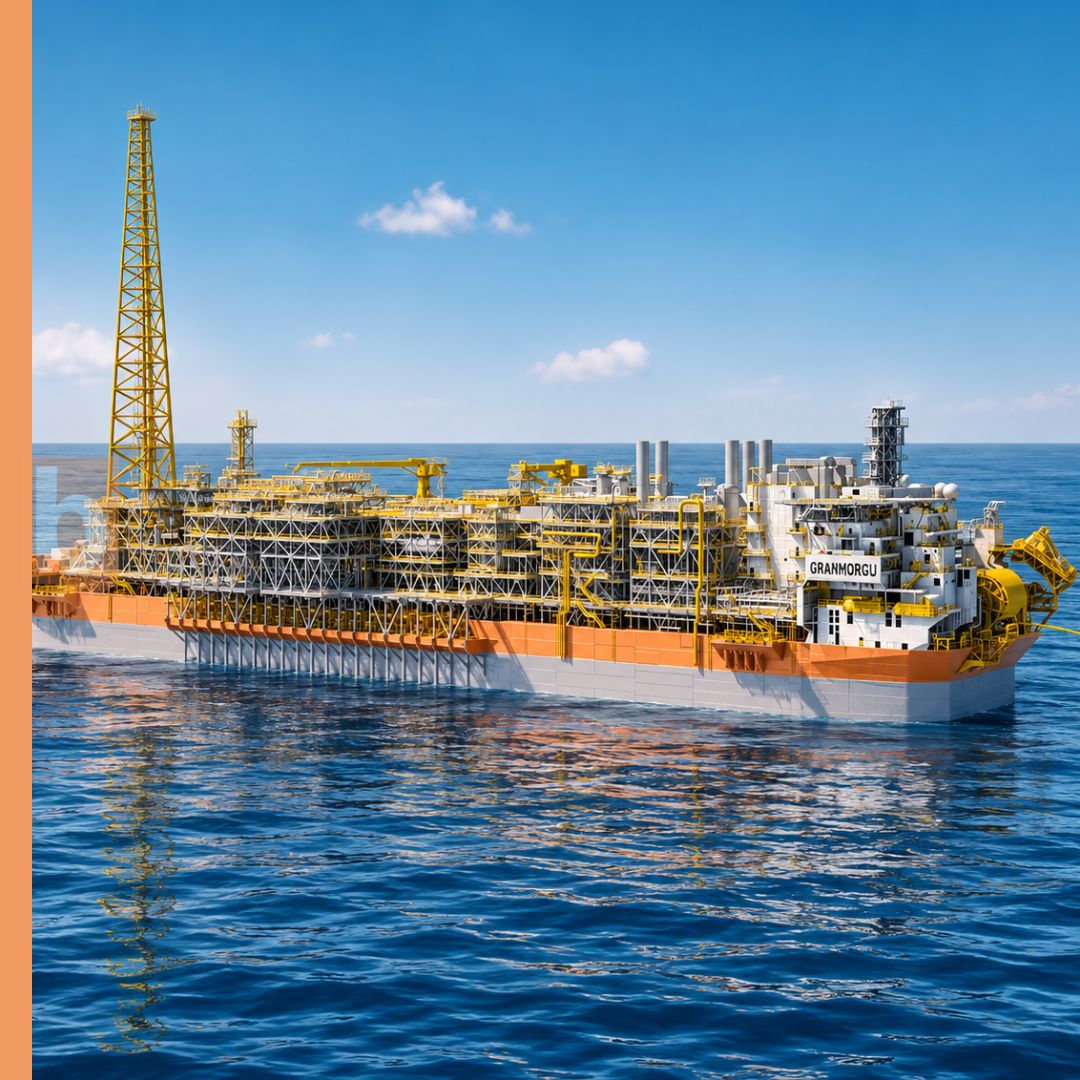
The development comes as Suriname advances its GranMorgu offshore oil project, one of the largest energy investments currently underway in the Caribbean region.

Operated by French energy company TotalEnergies in partnership with APA Corporation and Suriname's national oil company, Staatsolie, the project represents an estimated investment of US$10.5 billion.
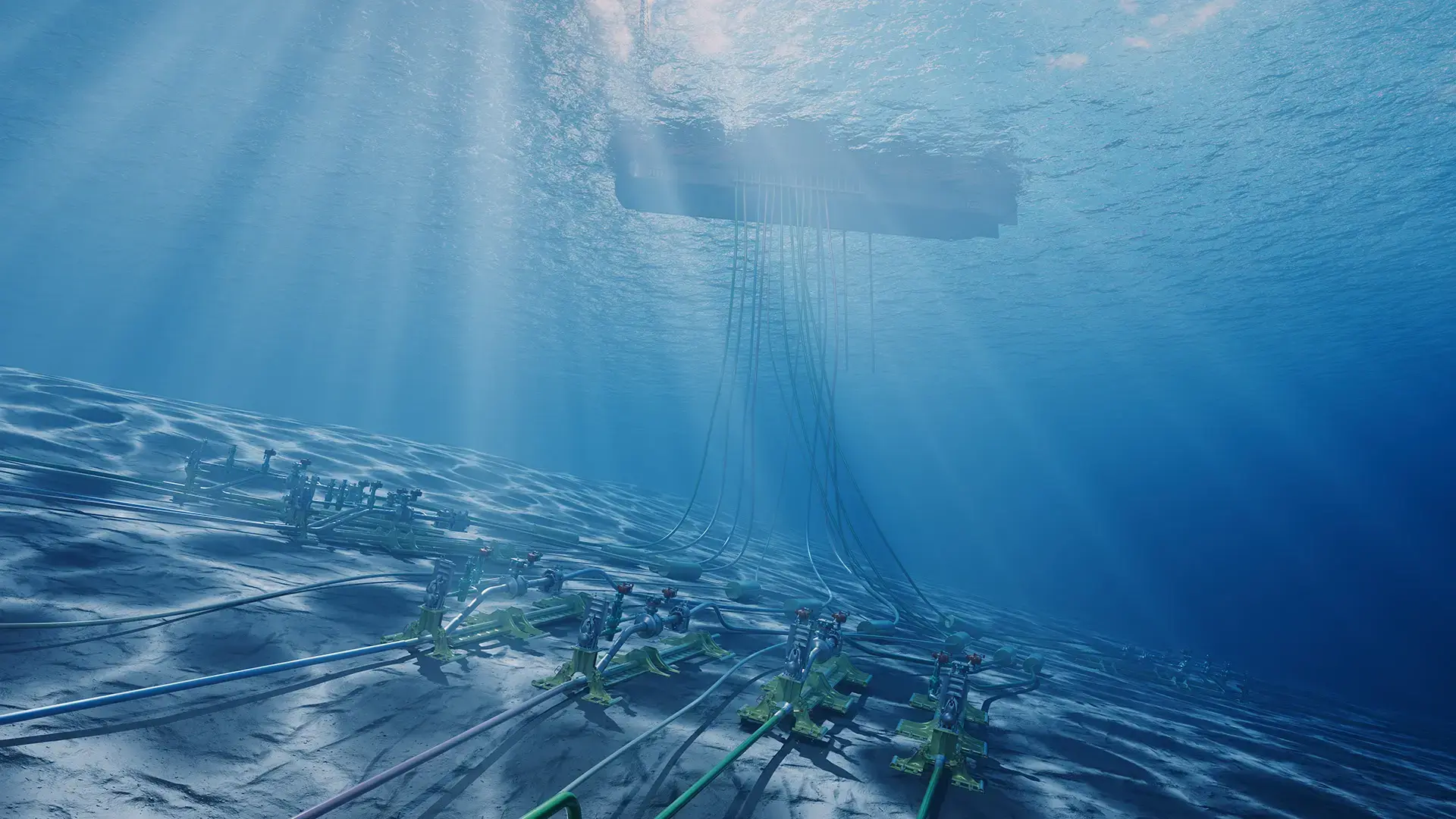
Located approximately 150 kilometers offshore in Block 58, GranMorgu is expected to begin producing oil in 2028, with a floating production facility designed to process up to 220,000 barrels daily.
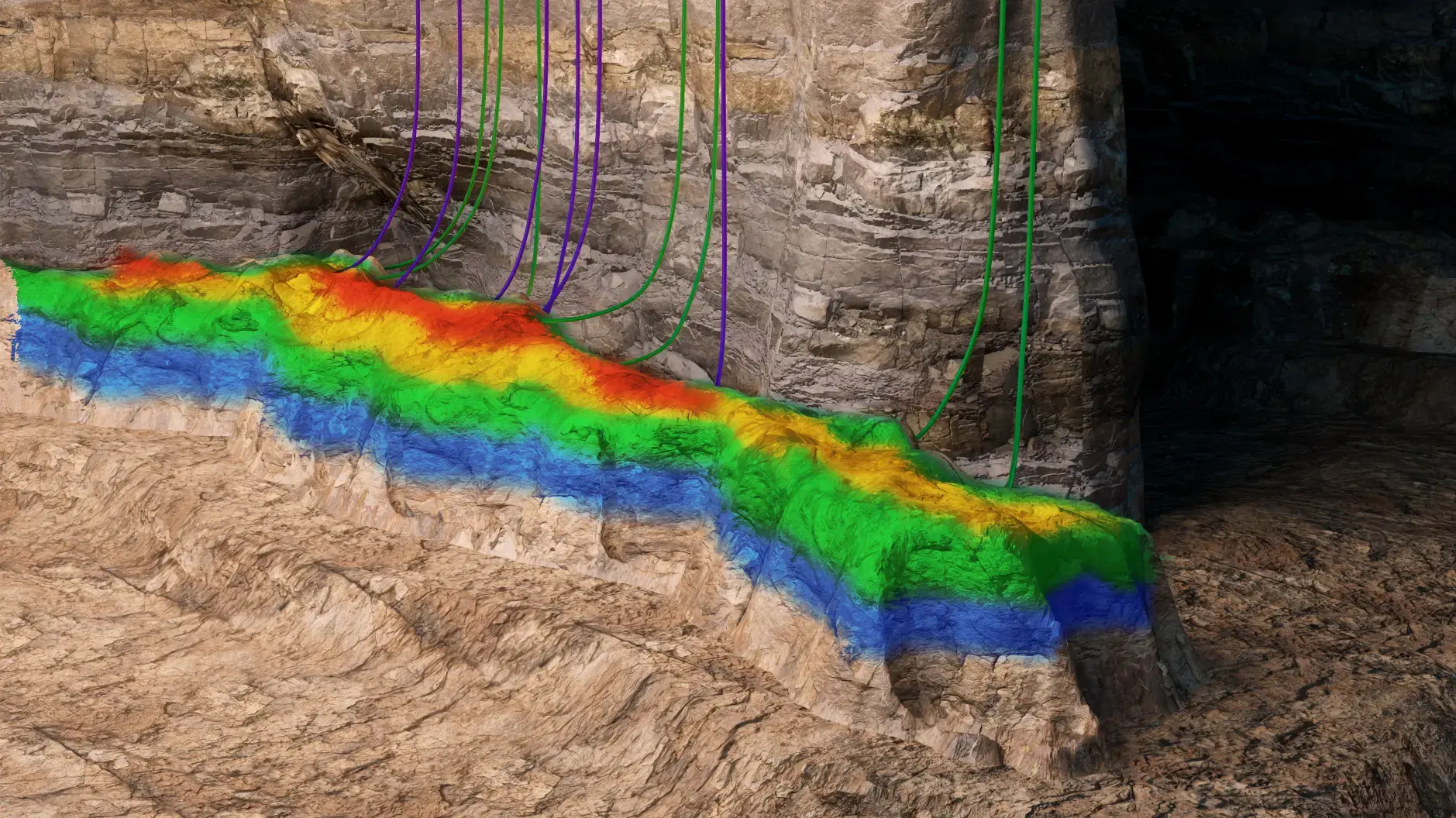
The project contains estimated recoverable reserves exceeding 750 million barrels, positioning Suriname for a significant expansion of its petroleum industry.
While the largest economic benefits are expected to remain in Suriname, the scale of the project could create opportunities for companies elsewhere in the Caribbean.
These could include maritime services, shipping, logistics, engineering, equipment maintenance, financial services, accounting, legal assistance, information technology and specialized workforce development.
For St. Maarten, the emerging sector presents possibilities for businesses with experience in regional transportation, professional services, hospitality and international commerce.
However, participation would depend on companies' ability to meet the technical, financial and operational requirements of the energy industry, as well as their competitiveness against established suppliers.
No specific contracts or investment commitments involving St. Maarten businesses have been announced in connection with the development.
According to TotalEnergies, more than 100 Surinamese companies are already supplying goods and services to the GranMorgu project, demonstrating the range of business activity associated with the construction and future operation of offshore energy infrastructure.
The company estimates that the development could support approximately 6,000 direct, indirect and related jobs and generate between US$1 billion and US$1.5 billion in spending within Suriname over the project's lifetime.
These projections concern Suriname and should not be interpreted as employment or revenue forecasts for the Dutch Caribbean countries.
Alongside the potential economic benefits, the expansion of Suriname's oil and gas industry introduces complicated questions concerning international taxation and business operations.
These issues will be examined during the IFA seminar titled Surinamese Oil & Gas: Cross-Border Tax Implications and Opportunities.
Tax specialist Victor Koekkoek will discuss the challenges that could arise when businesses, investors and employees operate across the borders of Suriname, St. Maarten, Curaçao and Aruba.
Among the issues are determining which country has the right to tax income generated through international contracts, where companies are considered established for tax purposes and how employees working in multiple jurisdictions should be taxed.
The treatment of professional services provided by companies established outside Suriname will also be examined.
These considerations are particularly important in the petroleum industry, where large projects commonly involve international contractors, equipment suppliers, technical specialists and workers operating across several countries.
For businesses interested in entering the sector, understanding these obligations could influence decisions about establishing partnerships, opening operations or providing services to companies already involved in Suriname.
Curaçao is considered particularly well positioned to explore opportunities because of its existing port infrastructure, maritime experience, financial services sector and ambitions to expand its information technology and professional services industries.
The island is already providing support to offshore activities, with the Noble Discoverer drilling platform undergoing preparations in Caracasbaai ahead of an expected drilling campaign offshore Suriname in early 2027.
For St. Maarten and Aruba, potential participation would depend on identifying services where local businesses can offer competitive expertise and establish relationships with companies operating in Suriname.
The broader development raises questions about how Caribbean economies can cooperate to benefit from major regional investments while ensuring that their respective tax and regulatory arrangements support cross-border business activities.
The IFA seminar will take place on Wednesday, November 18, from 6:00 p.m. to 7:30 p.m. at YouMeet on Scharlooweg in Curaçao.
The meeting will be opened and moderated by Germaine Rekwest, whose work includes tax treaties and international fiscal cooperation.
Participation is free, and the presentation will be conducted in Dutch. A livestream may also be arranged upon request, allowing interested persons outside Curaçao to follow the discussion.
As Suriname prepares for its first major offshore oil production in 2028, the seminar will examine whether businesses in St. Maarten, Curaçao and Aruba can position themselves to participate in the expanding energy sector and how existing tax arrangements could affect those opportunities.
Join Our Community Today
Subscribe to our mailing list to be the first to receive
breaking news, updates, and more.