

.jpg)


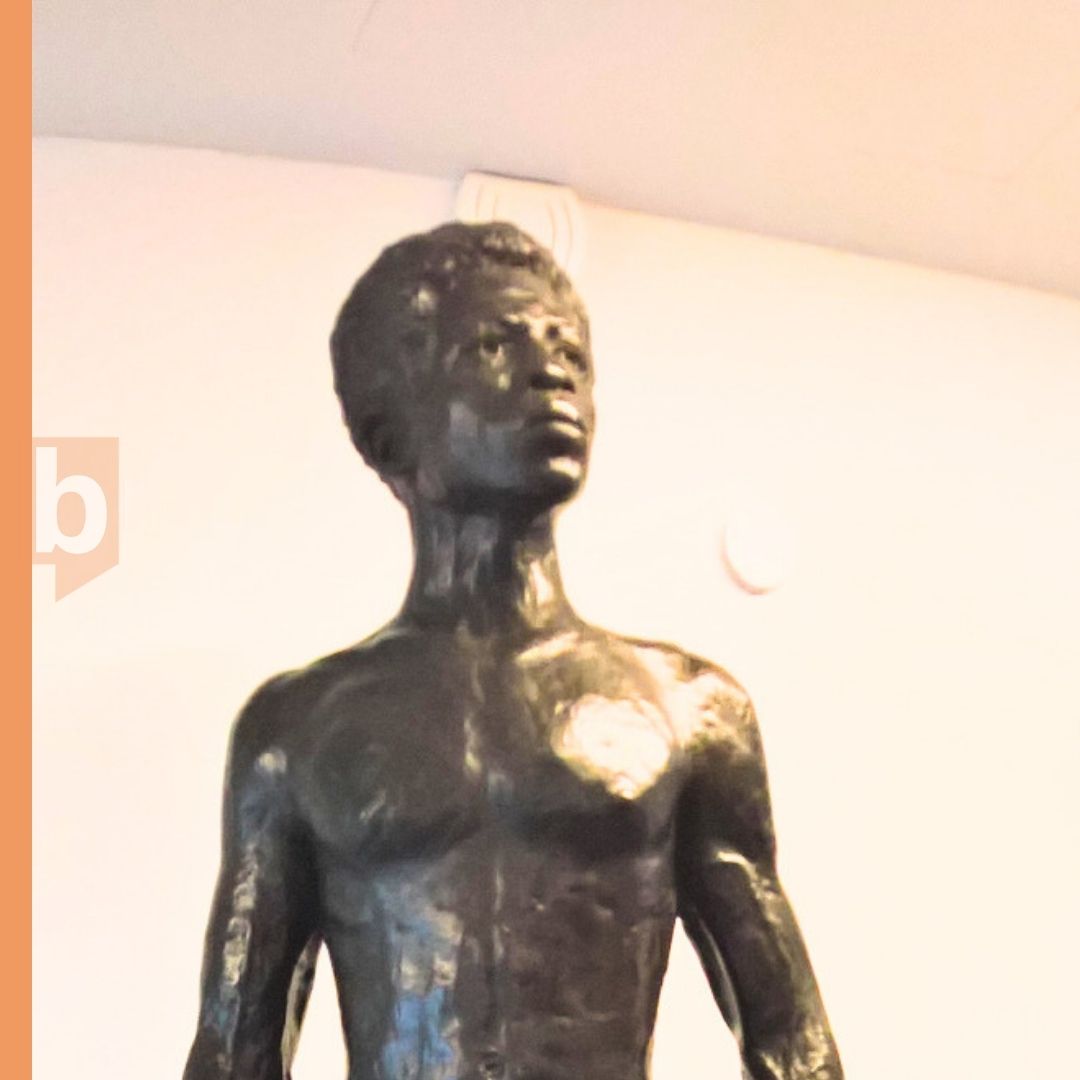
WILLEMSTAD, Curaçao--The controversial bronze statue of Curaçao freedom fighter Tula is being offered for sale after spending more than half a century in the Netherlands without securing a permanent home, according to Dutch media.
The family of Dutch artist Toos Hagenaars has reportedly decided to pursue a sale after another attempt to place the approximately two-meter-high sculpture in a permanent museum collection was unsuccessful. Museum aan de Aa in Groningen recently decided not to include the work in its permanent presentation.
Hagenaars created the statue on Curaçao in 1973 as a tribute to Tula, who led the major uprising of enslaved people on the island in 1795. The sculpture was subsequently transported to the Netherlands and cast in bronze, but its depiction of Tula has remained the subject of debate for decades.
Much of the controversy has centered on Hagenaars' decision to depict Tula completely naked, as well as questions surrounding the portrayal of one of Curaçao's most significant historical figures by a white Dutch artist.
Those issues have continued to influence discussions about where the sculpture should ultimately be displayed.
.jpg)
Museum aan de Aa had examined whether the statue could be given a place within a museum setting. An external adviser reportedly concluded that there were possibilities for displaying it in such a context, but the museum ultimately decided against incorporating the work into its permanent collection.
The museum's director said concerns expressed by individuals and organizations from the Curaçao community, including views that the sculpture represents a racist stereotype, weighed heavily in the decision. The museum has, however, left open the possibility that the statue could eventually be displayed as part of a temporary exhibition.
Other museums in the Netherlands have also declined to take the sculpture into their collections. These include the Groninger Museum and the future National Slavery Museum.
The latest development follows years of discussion about whether the statue should return to Curaçao. In 2023, there appeared to be renewed momentum for bringing the sculpture to the island, with supporters arguing that its return could form part of the broader recognition of Tula and the history of slavery and resistance on Curaçao.
However, the Curaçao government decided in 2024 not to bring the statue to the island, according to reporting in the Netherlands.
With efforts to secure a permanent museum destination now apparently exhausted, Hagenaars' family is considering a sale. Possible routes reportedly include an auction house or a direct sale to a private collector, foundation or company willing to provide the work with a suitable location.
The potential sale adds another chapter to the unusual history of a sculpture created more than 50 years ago to honor one of Curaçao's most important freedom fighters, but which has itself become part of a continuing debate over colonial history, representation and how Tula should be remembered.
Join Our Community Today
Subscribe to our mailing list to be the first to receive
breaking news, updates, and more.
