.jpg)


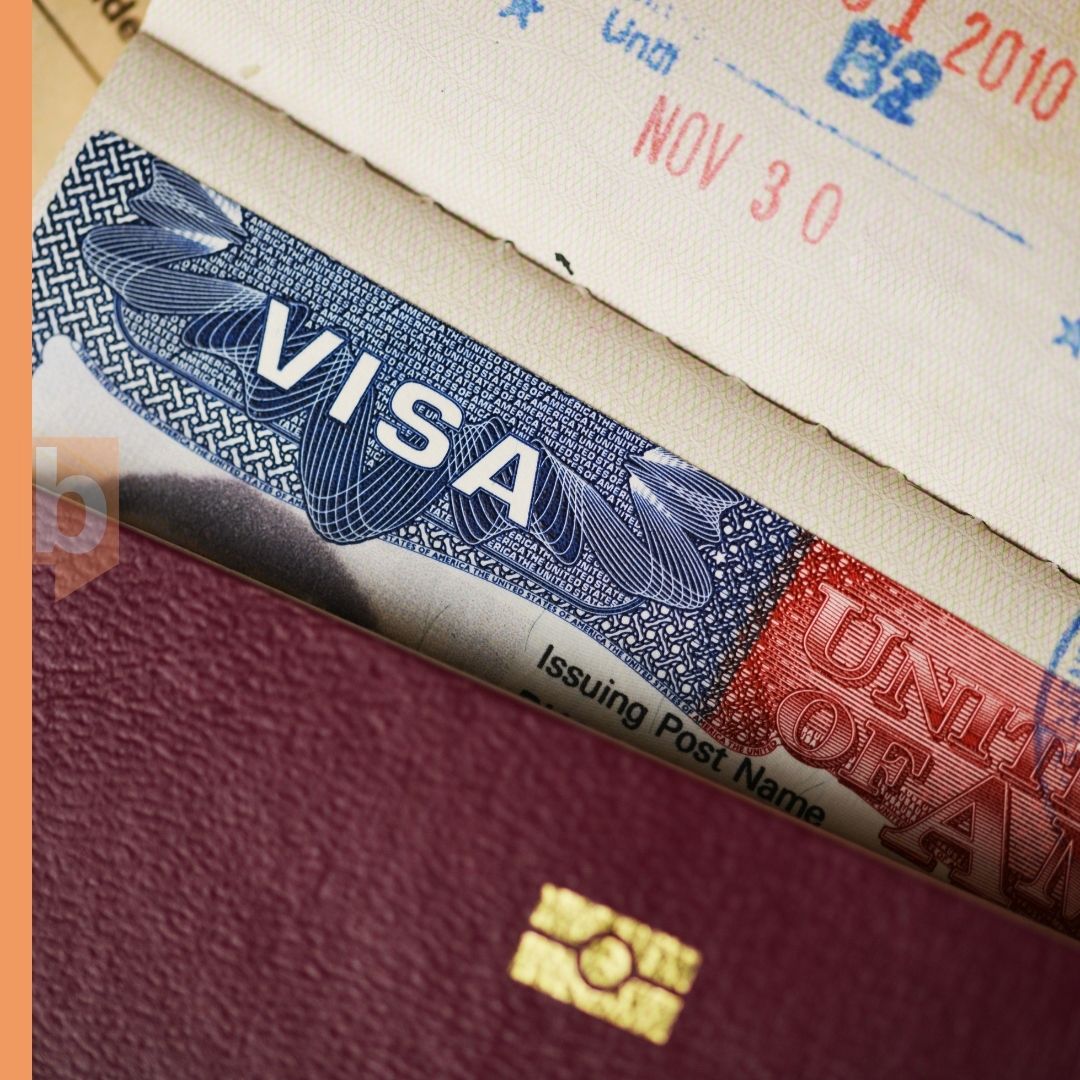
REGIONAL--Immigrant visa applicants across the Caribbean are facing new uncertainty after the United States temporarily paused immigrant visa appointments worldwide, only days after a federal court brought an end to an earlier policy that specifically targeted nationals of 75 countries, including a significant number of Caribbean states.
Under the earlier country-specific pause introduced in January, nationals of Antigua and Barbuda, The Bahamas, Barbados, Belize, Cuba, Dominica, Grenada, Haiti, Jamaica, St. Kitts and Nevis, St. Lucia, and St. Vincent and the Grenadines were among those whose immigrant visa issuance had been suspended while the US government reviewed whether applicants were likely to become dependent on public assistance. The US State Department confirmed that the 75-country pause ended on August 21 following a federal court order.
That relief has now been followed by a much broader disruption. The Trump administration has temporarily paused immigrant visa appointments at US embassies and consulates worldwide as the State Department carries out additional training for consular officers on how to evaluate whether prospective immigrants could become what US immigration law considers a "public charge."
The new action is global rather than limited to the previous 75-country list, meaning immigrant visa applicants throughout the Caribbean are affected, including applicants from territories and countries that were not included in the January suspension. Reuters reported that people with appointments already scheduled have been notified that their interviews are being postponed. The State Department has not announced a date by which normal scheduling will fully resume.
The State Department said the initiative began at embassies and consulates in early August and involves "in-depth training" intended to ensure consular officers apply updated screening requirements consistently. The focus is on determining whether applicants are financially self-sufficient and unlikely to depend on US public benefits after immigrating.
The disruption primarily concerns immigrant visas, which are generally used by people intending to live permanently in the United States. It should not be confused with ordinary B1/B2 visitor visas used for short-term tourism or business travel, although the Trump administration has separately introduced additional scrutiny and restrictions affecting other visa categories.
The administration has argued that immigrants entering the United States should be able to demonstrate that they will support themselves financially. Earlier this month, the State Department also announced a pilot procedure allowing consular officers in certain cases to require an immigrant visa applicant who has been denied on public-charge grounds to obtain a financial bond before a visa can be issued.
The worldwide pause comes immediately after the administration suffered a legal setback over its previous approach. The January policy had halted immigrant visa issuance to nationals of 75 countries identified by the government as presenting a higher risk of reliance on public benefits. Following a court order, the State Department announced that the nationality-based suspension was no longer in effect as of August 21.
Some Caribbean nationals, however, continue to face separate US entry restrictions. Haitian nationals remain subject to a separate visa suspension under Presidential Proclamation 10998, which suspends issuance of both immigrant and nonimmigrant visas to nationals of 19 countries, subject to specified exceptions.
The administration is also moving against some people who entered the United States legally. US officials have announced plans that could result in the revocation of as many as 200,000 business and tourist visas issued to foreign nationals who subsequently applied for asylum in the United States.
For Caribbean families involved in legal migration to the United States, the immediate concern is delay. Applicants can spend months or years completing petitions, financial documentation, medical examinations and other requirements before reaching the consular interview stage. Postponement of an interview can therefore affect family reunification, employment plans, housing arrangements and travel already organized around an expected visa decision.
The State Department has not indicated how long the latest worldwide interruption will last. Applicants with pending cases are being advised to monitor communications from the US embassy or consulate handling their cases for revised interview dates and further instructions.
Join Our Community Today
Subscribe to our mailing list to be the first to receive
breaking news, updates, and more.