

Louis Mussington: A Working-Class Saint Martiner Putting the People First
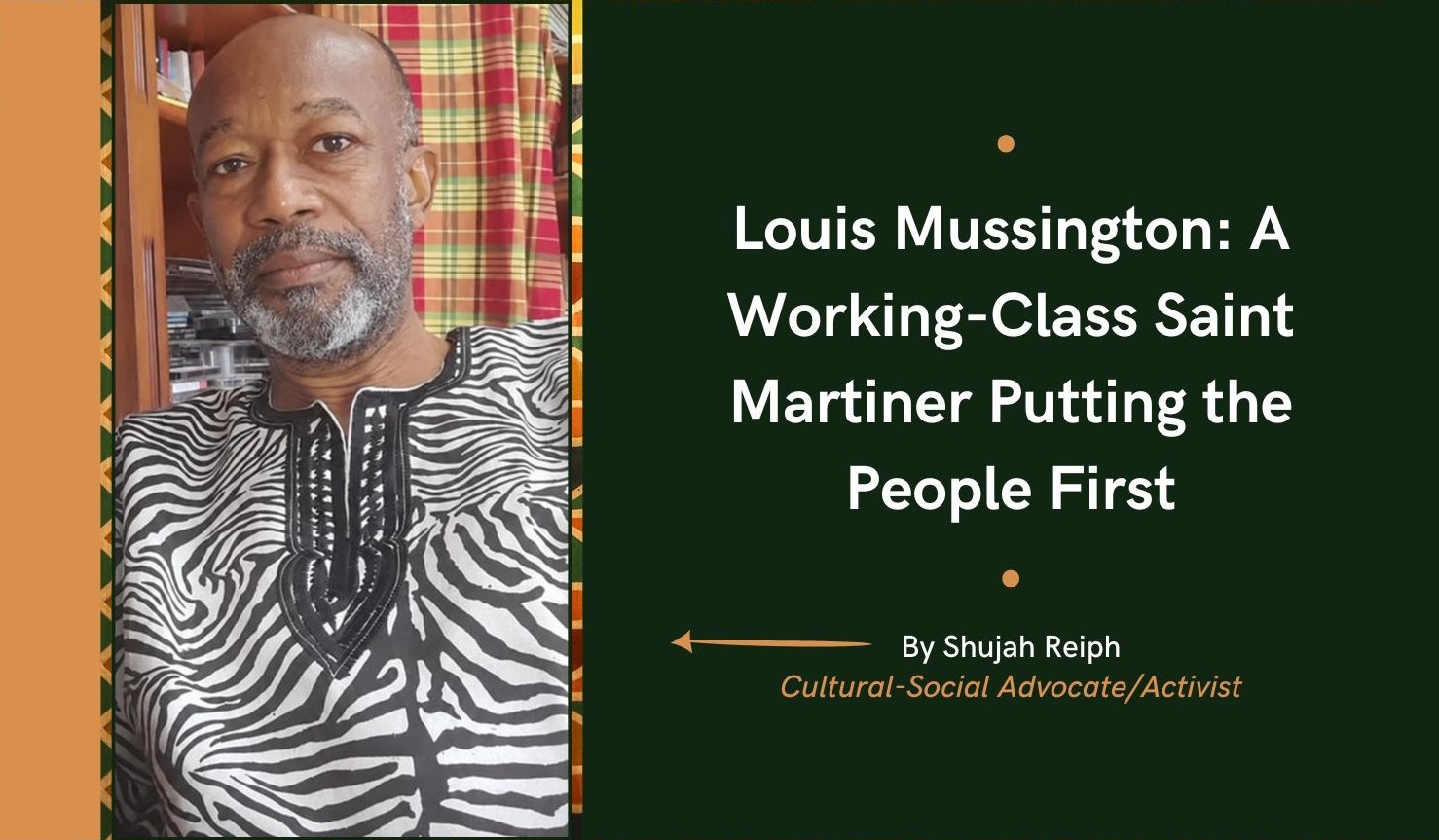
Louis Mussington’s political journey is rooted in the experience of ordinary Saint Martin people. Born and raised in a working-class environment, he comes from humble beginnings and from parents who understood the meaning of hard work, perseverance and sacrifice. Those roots have remained central to the way he approaches public service.
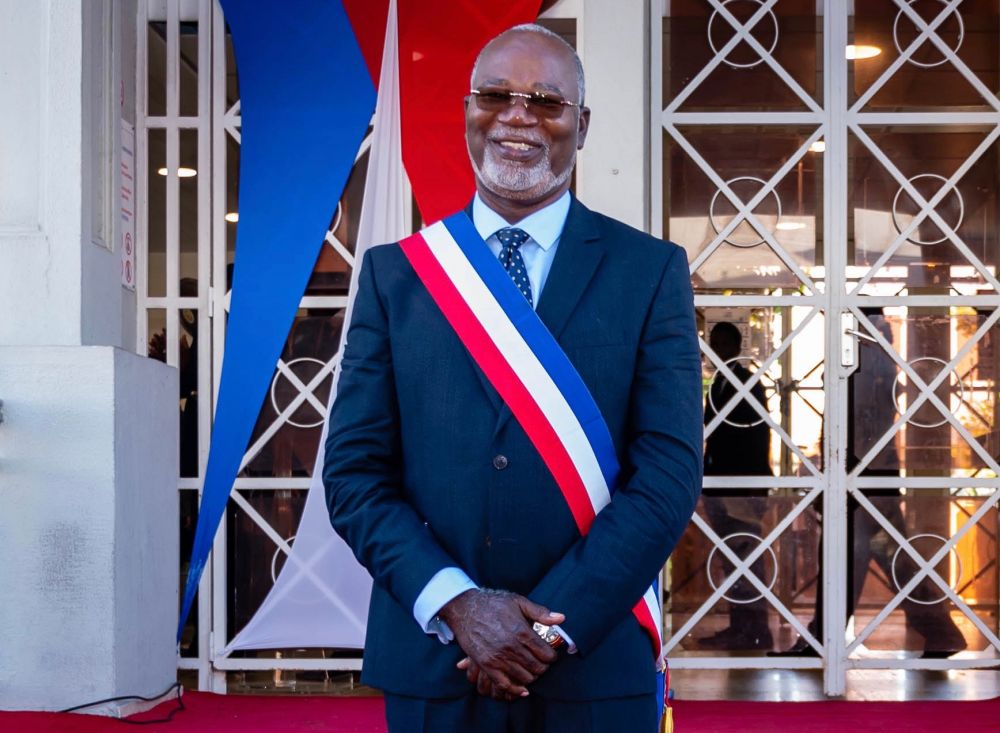
In March 2022, Mussington became President of the Collectivité of Saint-Martin, taking responsibility for leading the island through an important period of social, economic and infrastructural development. Since taking office, his administration has placed particular emphasis on education, roads and infrastructure, public-sector workers, land, energy, schools and the broader question of Saint Martin’s political future.
Education: Investing in the Children of Saint Martin
One of the earliest priorities of the Mussington administration was education.
Within his first six months in office, the administration increased scholarship funding available to Saint Martin students seeking higher education. The scholarship envelope was doubled, providing additional opportunities for young Saint Martiners who wanted to pursue studies beyond the island.
For many families, the cost of higher education can represent a significant financial burden. Increasing scholarships therefore represented more than a budgetary decision; it was an investment in the island's young people and in the future of Saint Martin.
Mussington's approach has continued to emphasize the importance of giving young Saint Martin people the educational opportunities they need to succeed. He believes Saint Martin future should be built by Saint Martiners who refused access limitations.
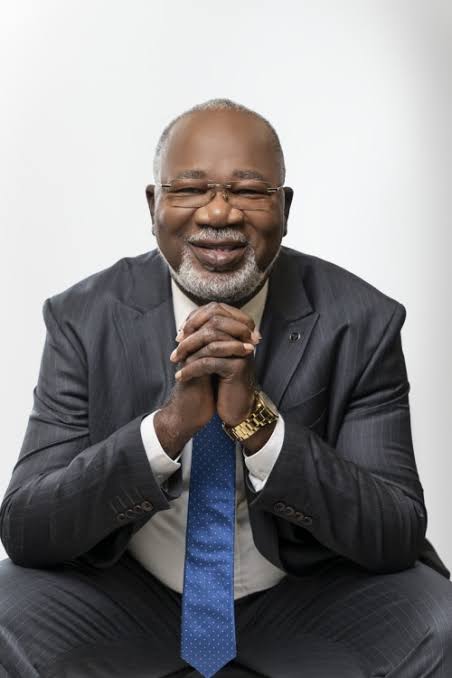
Roads, Infrastructure and Public Investment
Another visible aspect of the administration has been its attention to infrastructure.
Road improvements and paving projects have continued in different parts of the territory, accompanied by the installation of additional lighting. These projects have sought to improve mobility, safety and the quality of life of residents.
The administration has also pursued the acquisition of land for future public projects. The objective has been to ensure that the Collectivité has sufficient property to develop facilities that serve the population rather than allowing important parcels of land to disappear from public control.
Among the politically significant land initiatives has been the acquisition of land associated with the Beauperthuy family, a matter that supporters see as part of a broader effort to secure land for the people of Saint Martin and future generations, instead of being auction on the international market.
Standing Behind Collectivité Employees
Mussington also inherited longstanding issues involving employees of the Collectivité.
According to supporters of his administration, his government moved to resolve outstanding financial obligations owed to Collectivité workers. Funds that employees had been waiting for over 15 years were released, including retroactive payments. For the workers concerned, this was not simply an administrative exercise. It represented money they believed they had earned and were entitled to receive. The decision reflected a broader philosophy of the administration: that government must also take care of the people who keep the public service functioning every day.
Schools for a Growing Saint Martin
Education has remained a central component of the administration's development program. Because Mussington is deeply convince that an investment in education is the best way to build sustainable democratic Saint Martin society.
New educational infrastructure has been developed, including schools in French Quarter and La Savane. The junior-high-school development in La Savane has become particularly important to the community, with the school being regarded by many including the French administration as one of the territory's best built educational institutions in the French Republic.
For Mussington, investment in schools is an investment in Saint Martin's future. Classrooms, roads, lighting, land and public facilities are not merely construction projects; they are part of building a territory capable of supporting its next generation.
A Vision for Saint Martin's Future
Perhaps one of the most ambitious aspects of Mussington's political agenda has been his continued effort to strengthen Saint Martin's autonomy and decision-making powers.
He has advocated changes to the territory's organic law, seeking greater powers for Saint Martin and greater ability for the Collectivité to determine its own future.
This question goes beyond any individual political administration. It touches upon a long-standing discussion about Saint Martin's identity, its relationship with the French Republic, and the extent to which decisions affecting the territory should be made locally.
Mussington has presented himself as an advocate for greater local responsibility and greater political power for the people of Saint Martin.
The Saint Martin Unity Flag
Another important symbolic decision during his administration was the adoption of the Saint Martin Unity Flag as the flag representing the people of Saint Martin.
For supporters, the flag represents unity across the island and reflects a Saint Martin identity that transcends political, and administrative divisions.
It is a symbol of the idea that, despite the island's division between the French and Dutch colonial rule, Saint Martin's people share a common history, culture, identity and destinity.
Preparing for the Next Generation of Infrastructure
The Mussington administration has also been preparing major future projects.
Among the priorities are plans for a new power plant, new senior citizen’s home, an additional school of higher learning, land development and expansion of the road network, including the back road leading from Grand Case to Marigot and an administrative city with a new parliament building.
These projects represent an attempt to prepare Saint Martin for future population growth and increasing demands on infrastructure.
The challenge for any administration is not merely to address today's problems but to anticipate what the territory will require ten, twenty or thirty years from now.
A Presidency Focused on Action
Mussington's supporters often describe his governing style in simple terms: work first, politics second.
Whether it is roads, schools, scholarships, employee payments, land acquisition, public lighting, energy or institutional reform, the emphasis has been on getting projects moving.
His political supporters believe that this record demonstrates that a government can make tangible improvements in people's lives when it is willing to take difficult decisions and pursue long-term objectives.
The Legal Challenge
Mussington now faces a legal challenge connected to decisions made during his administration, with proceedings expected in January 2027.
Among the matters being challenged are allegations concerning the employment of family members and decisions involving the purchase of vehicles without what prosecutors allege were the appropriate prior approvals or votes from the relevant territorial council.
Mussington and his supporters reject the allegations and maintain that his actions were undertaken in the interest of the people and administration of Saint Martin.
It is important, however, to allow the judicial process to determine the facts and legal responsibility. An accusation is not a conviction, and the court will ultimately have the responsibility of deciding the case.
For Mussington's supporters, the legal proceedings do not erase what they regard as the accomplishments of his administration. They argue that his record of public service should be judged on the totality of his work and that he deserves the presumption of innocence throughout the proceedings.
Looking Toward 2027
As Saint Martin approaches the next territorial election, Louis Mussington's supporters are already looking toward a second term.
They believe that the first term has demonstrated his commitment to working-class families, students, Collectivité employees and the broader population.
His supporters point to increased scholarships, maintenance of roads, schools, public lighting, land acquisition, employee payments, infrastructure planning and the campaign for greater political powers as evidence of a presidency that has sought to put Saint Martin first.
Whether voters ultimately agree will be decided at the ballot box.
But one thing is clear: Louis Mussington has become in heart of the Saint Martiners an important figure in the contemporary political history of Saint Martin. His presidency has been defined by an ambitious attempt to combine social investment, infrastructure development and a stronger vision of Saint Martin's political identity.
For those who support him, the message is straightforward:
Judge Louis Mussington by the work he has done, the people he has helped and the future he is trying to build for Saint Martin.
As the territory looks toward 2027, his supporters are calling for the opportunity to continue that work for another term.
Louis Mussington's story is ultimately the story of a young Saint Martiner from humble beginnings who reached the highest elected office of the territory, and who now asks the people to judge his administration by its record of work by putting the people first.
By Shujah Reiph