

The Disappointing Images of St. Martin on KLM—A Crisis of Self-Respect
%20(1).jpg)
Traveling abroad often clarifies what we need to safeguard at home. My recent experience in Barcelona underscored the essential truth about mature destinations: success brings complexity.
Like St. Maarten, the city is beautiful, though it’s at a crossroads where high volume threatens authenticity. Yet, when I faced a personal challenge there, the caring service and professionalism of a local management team, TELEM, proved invaluable, allowing me to conduct my business seamlessly. This demonstrated that in the global tourism race, the quality of our people is our greatest asset.
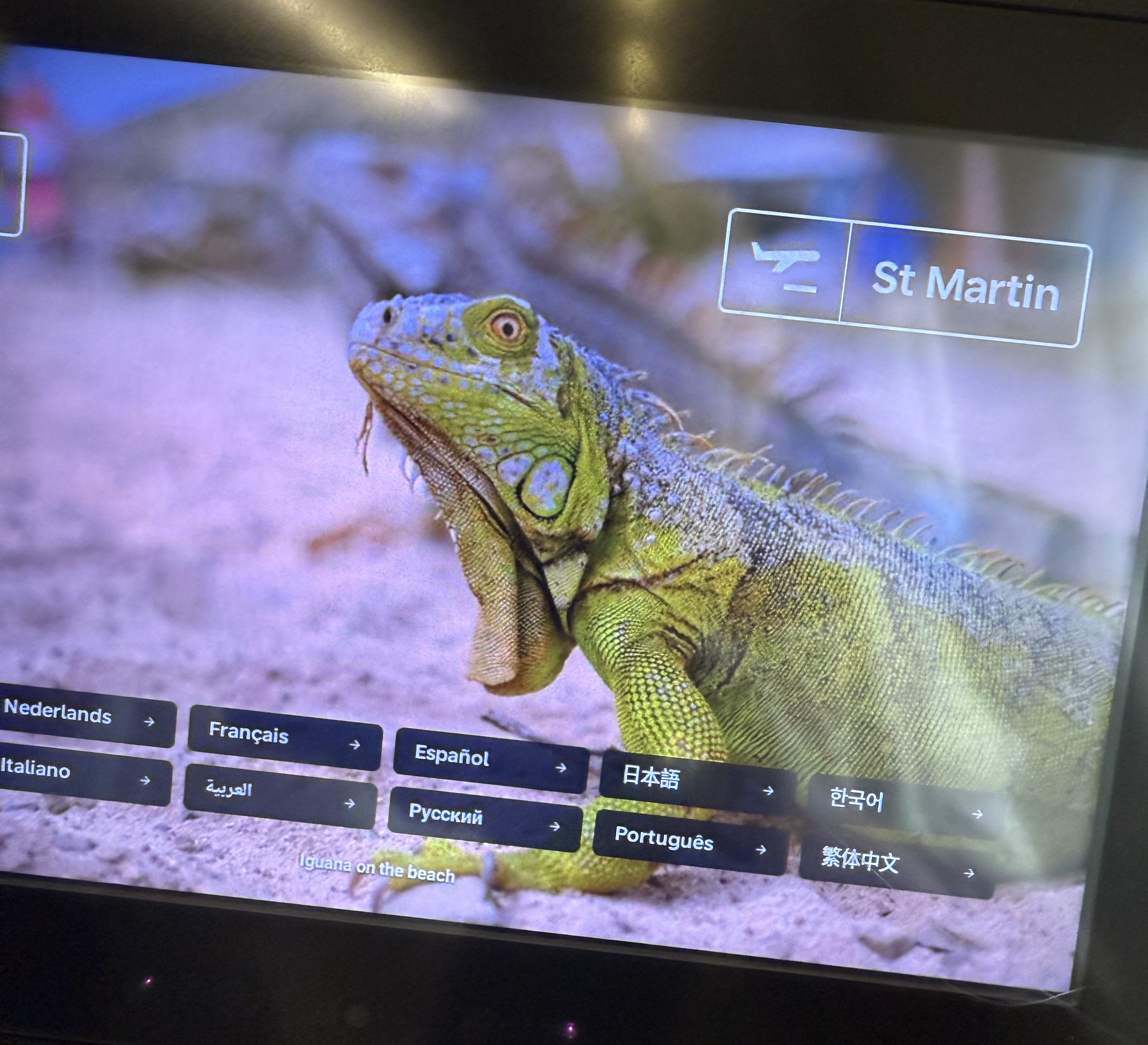
That lesson was still fresh in my mind when I got onto the KLM flight home, only to be confronted with a profound and disappointing failure of self-management for the St. Martin brand, and consequently, our neighboring islands.
KLM Royal Dutch Airlines is a key lifeline to St. Maarten from the Netherlands and the wider European source market. More importantly, SXM Airport (Princess Juliana International Airport) serves as the crucial regional hub for St. Barths, Saba, St. Eustatius (Statia), Anguilla and others. The in-flight entertainment screen is perhaps the most valuable piece of marketing real estate, a captive audience of thousands of potential and repeat visitors.
It's with deep disappointment and shock that I must write on the imagery representing St. Martin on the KLM flights, both upon arrival and departure.
The visuals, presented to an international audience, consisted primarily of:
An Iguana.
A Turtle.
A "very uninviting beach that didn't look like St. Martin."
This is simply unacceptable.
Did these screens showcase the charm of the people, and the stunning beaches of Mullet Bay, Friar’s Bay, etc? Did they highlight the unique offerings of our hub islands like Saba and Statia, St. Barths or Anguilla? No. They rendered our island as a generic, uninviting stopover represented by iguanas and turtles.
This failure is especially glaring considering the flight's strategic stops. While the flight makes double stops in destinations like Trinidad and Guyana—whose destinations presumably will soon seize the opportunity to promote their respective countries - we are left with images of an iguana and a turtle! The focus on the stops only heightens the sense that this crucial Caribbean hub is neglecting its own image and, by extension, the image of the entire group of hub islands that relies on it.
Question: Do We Care About Our Own Regional, International and Internal Image?
This experience is a direct challenge that must be addressed by the management teams and our contracted public relations and representation firms in key source markets.
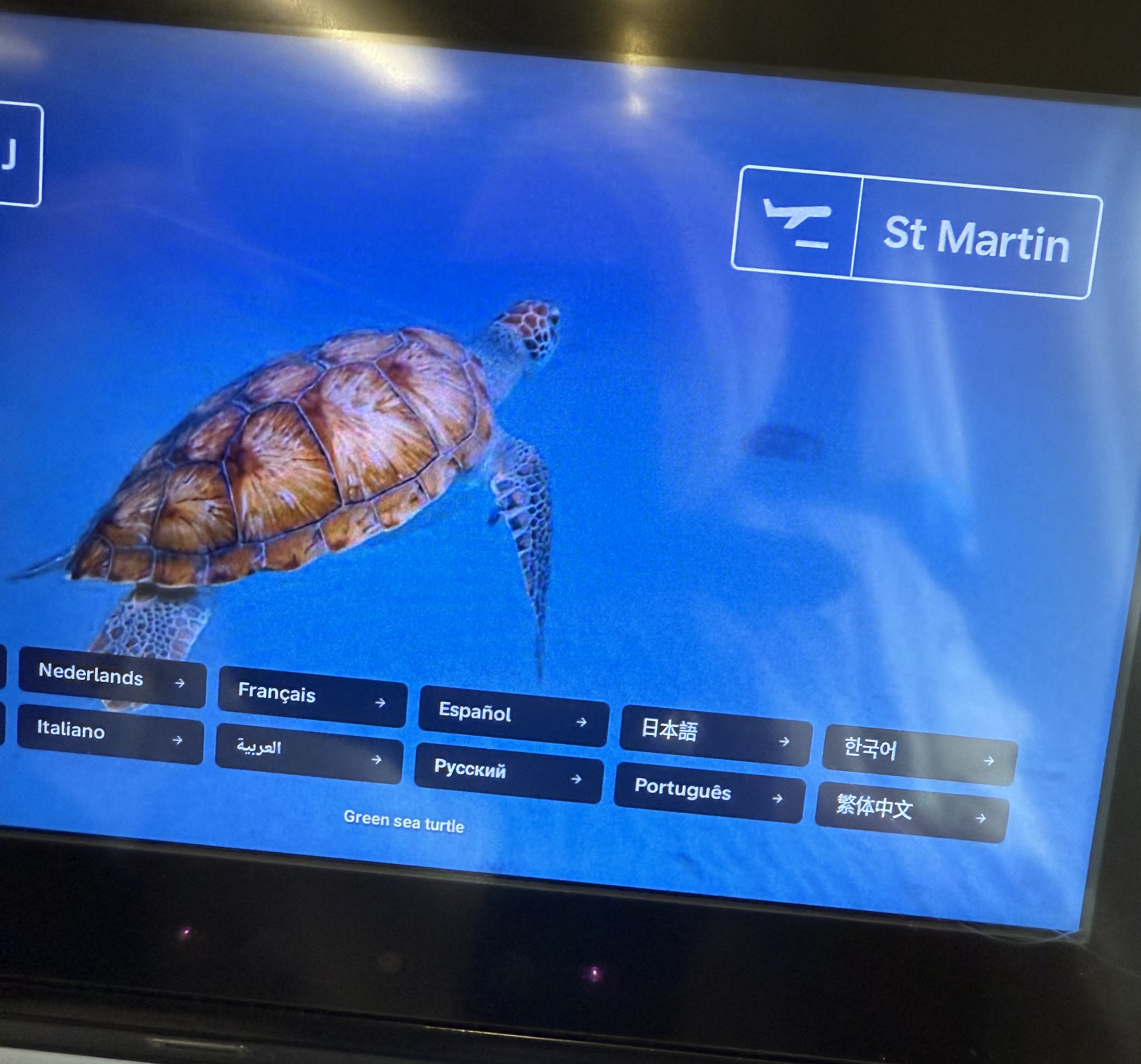
If we are paying marketing firms in Holland to champion our brand, shouldn't they be the very first to flag this kind of catastrophic misalignment? Did anyone in a position of authority local, regional, or contracted vet this content?
Is this the normal standard for our brand representation? Do our public and private sector representatives on both sides of the island, as well as in Saba, Statia, and Anguilla, feel the disappointment that I did when seeing this? Does anyone even care?
An iguana and a generic beach do not sell the "Friendly Island." This failure signals that we don't care about how our entire regional hub is represented on a major international platform, and that our paid partners are failing to guard our image.
The time for complacency is over. We must immediately prove that we do, in fact, care about our image.
Instead of generic images, we must highlight:
The vibrant colors and energy of the:
• Children and St. Martin Heritage Wear
• Carnival Costumes
• The thrilling spectacle of the St. Maarten Regatta.
• The gastronomic excellence of the Culinary Festival in Marigot.
We must demand excellence in how we are seen globally and hold our representation firms accountable for brand integrity in the source markets.
If we don't safeguard our image with pride and unwavering attention to detail, we are actively undermining our efforts to transition successfully from the stagnation phase into a more prosperous future.
Let's prove that we value our brand!