

As cruise ships become destinations, islands must give passengers a reason to come ashore
.jpg)
For as long as we know, Caribbean cruise tourism followed a fairly simple formula. The ship brought thousands of passengers to an island, passengers got off, took taxis, booked tours, went shopping, visited beaches and restaurants, then returned to the ship before departure. That model is changing.
Royal Caribbean Group’s latest financial results offer a useful look at where the cruise industry is heading, and the numbers are impressive. The company carried about 2.4 million passengers between April and June this year, 6 percent more than during the same period in 2025. Its capacity increased by 5 percent, while total revenue reached US$4.8 billion. Ships operated at roughly 110 percent occupancy.
Occupancy above 100 percent does not mean passengers were sleeping in hallways. Cruise lines calculate standard occupancy based on two people per cabin. When families place three or four people in a cabin, the figure can rise above 100 percent.
The important message is that the ships are full. Bookings are also coming in at record prices, according to Royal Caribbean, while early demand for 2027 is ahead of historical levels. Caribbean Journal interpreted those numbers as another sign of a cruise industry that is carrying more people, charging higher prices and finding more ways to earn money from passengers after they have booked their cabins.
For Caribbean destinations, including St. Maarten, there is an even more important part of the story: The cruise ship itself is increasingly becoming the vacation. Bigger ships are changing what passengers expect. Royal Caribbean’s newest Icon-class ships are not simply transportation between Caribbean islands.
They have water parks, multiple swimming pools, entertainment areas, neighbourhoods designed for families, dozens of places to eat and drink, shows and attractions that could occupy passengers for days without them ever leaving the vessel. That changes the relationship between the ship and the destinations it visits. Traditionally, the island was one of the biggest reasons to book the cruise. Today, a family might select a particular sailing because they want the ship itself.
They want the water park.
They want the restaurants.
They want the entertainment.
They want the experience they saw advertised online.
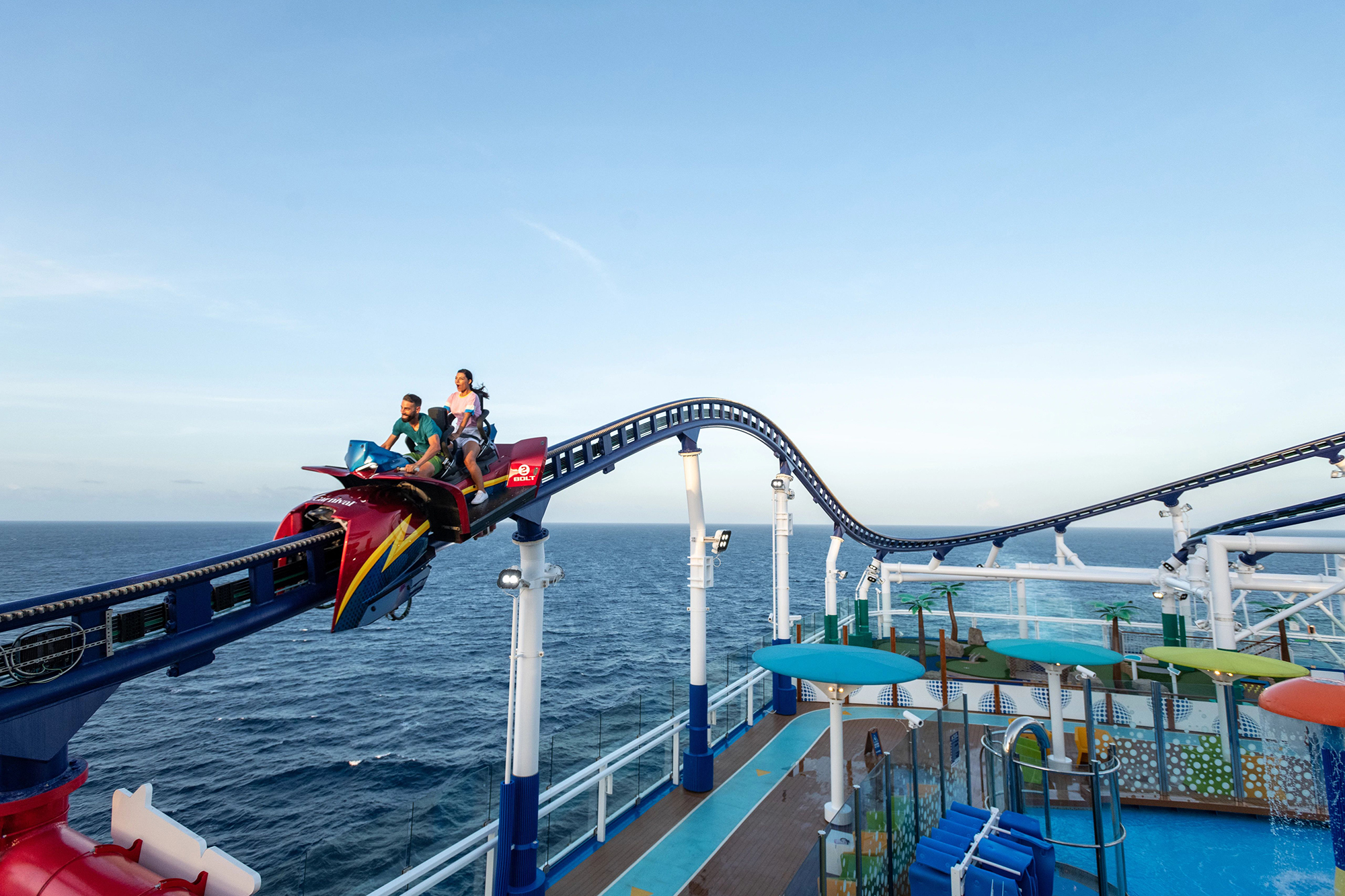
Whether the ship stops in one Caribbean destination or another may become less important to some passengers than it was 20 years ago. Caribbean Journal describes this as a shift in which the itinerary can become secondary to the vessel itself. For Caribbean ports, that means simply being beautiful may no longer be enough.
Cruise lines also want more of the money spent ashore
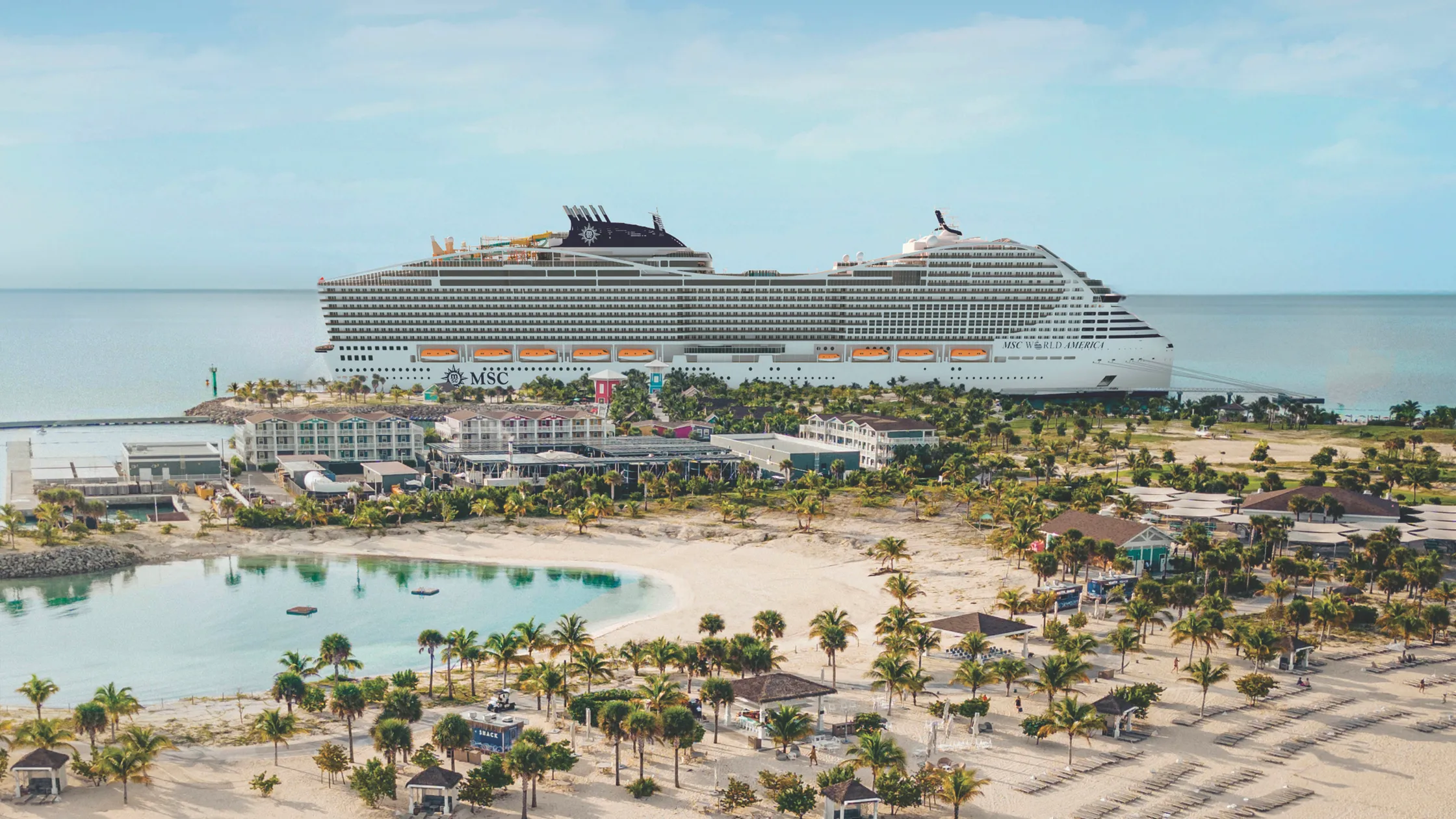
The second major change is happening off the ship. Cruise companies are investing heavily in their own private islands, beach clubs and destination experiences.
Royal Caribbean’s Perfect Day at CocoCay in The Bahamas is perhaps the best-known example. The company has also expanded its Royal Beach Club concept, with destinations including Paradise Island in The Bahamas and additional developments planned or opening elsewhere. Royal Caribbean lists Cozumel among its upcoming beach club destinations.
These developments give passengers a controlled day ashore with beaches, pools, food, drinks, cabanas and attractions. They also keep much more of the passenger’s spending within the cruise company’s own network.
When a passenger comes to St. Maarten, that person might pay a local taxi driver, rent a vehicle, eat at a locally operated restaurant, purchase something on Frontstreet, book an independent tour or spend money at a beach. Much of that money moves directly into the local economy.
At a cruise-line-controlled destination, a greater share can remain within the cruise company’s system. The expansion of these private destinations could eventually mean fewer calls at traditional ports, particularly if passengers respond strongly to the controlled experience.
The real competition is changing
This does not mean the future is bleak for traditional cruise destinations. It means the competition has changed. St. Maarten is no longer competing only with St. Thomas, Puerto Rico, Antigua or another Caribbean port for an itinerary. A destination can now effectively be competing against the ship itself.
Think about what a passenger experiences. They leave a vessel with polished facilities, multiple attractions, good signage, organised activities and carefully controlled customer service. They arrive on an island and immediately begin comparing.
How easy was it to get transportation?
Was the port area clean?
Did the taxi experience feel organised?
Could they easily understand where to go?
Were there things to do beyond shopping and the beach?
Did the experience feel genuinely different from something the cruise line could build itself?
These questions become increasingly important as ships become more impressive. The strongest ports will be those offering things cruise lines cannot easily reproduce, including historic districts, local cuisine, architecture, natural attractions, reefs, parks, waterfalls, culture and beaches that genuinely feel connected to the destination. That is probably the most important lesson for St. Maarten. A cruise company can build another swimming pool. It cannot build another St. Maarten.
The money is being spent before passengers even arrive
Another major shift is happening long before the ship reaches the Caribbean. Passengers are increasingly buying parts of their vacation before departure. Drink packages, restaurant packages, internet access, excursions, cabanas, spa treatments and other experiences are offered through cruise line apps and websites weeks or months in advance.
Royal Caribbean said demand for onboard and destination experiences remains strong and that targeted engagement with guests before their vacations is helping drive that spending. That creates another challenge for local businesses. By the time a passenger walks off the ship in St. Maarten, part of that person’s vacation budget may already be committed.
article continues below...
The passenger did not arrive deciding what to do. The excursion was purchased three months earlier. This makes it increasingly important for Caribbean tour operators and attractions to become part of the planning process earlier, either through cruise partnerships or strong independent online marketing. Waiting until passengers walk through the port gates may eventually mean waiting too late.
Cruises are also competing with resorts
Royal Caribbean increasingly describes itself as competing in the wider vacation business, not simply against other cruise lines. That means the comparison is now with all-inclusive resorts, family hotels, theme parks and other vacation experiences.
The company’s results suggest the strategy is working. Despite higher prices, passengers continue to book. Royal Caribbean expects its revenue to increase about 9 percent this year, while annual capacity is projected to grow roughly 6.6 percent.
Cruising also offers something a land-based hotel cannot easily provide: several destinations during one vacation without the traveler repeatedly packing bags or changing hotels. The trade-off for Caribbean islands is that passengers may spend only six or eight hours in a destination.
What this means for St. Maarten
St. Maarten remains one of the Caribbean’s established cruise destinations and continues to appear on Royal Caribbean itineraries. Royal Caribbean sailings in 2026 include scheduled calls at Philipsburg. But past success does not guarantee future success.
The cruise industry described in Royal Caribbean’s latest numbers is one in which ships are becoming attractions, private destinations are expanding and cruise lines are becoming more effective at capturing passenger spending before travelers ever reach an island.
That should not be viewed only as a threat. It is also a reminder of where traditional destinations still have an advantage. St. Maarten has two countries on one island, beaches that are internationally recognized, restaurants from dozens of cultures, duty-free shopping, sailing, nightlife, local cuisine and communities with their own character and history.
Those are things a cruise company cannot manufacture onboard. The challenge is packaging them well, making them easy to experience and giving passengers a reason to leave the ship, move beyond the immediate port area and spend part of their limited time discovering the island.