

Frustrated and ready for change: The global youth movement shaking Govts
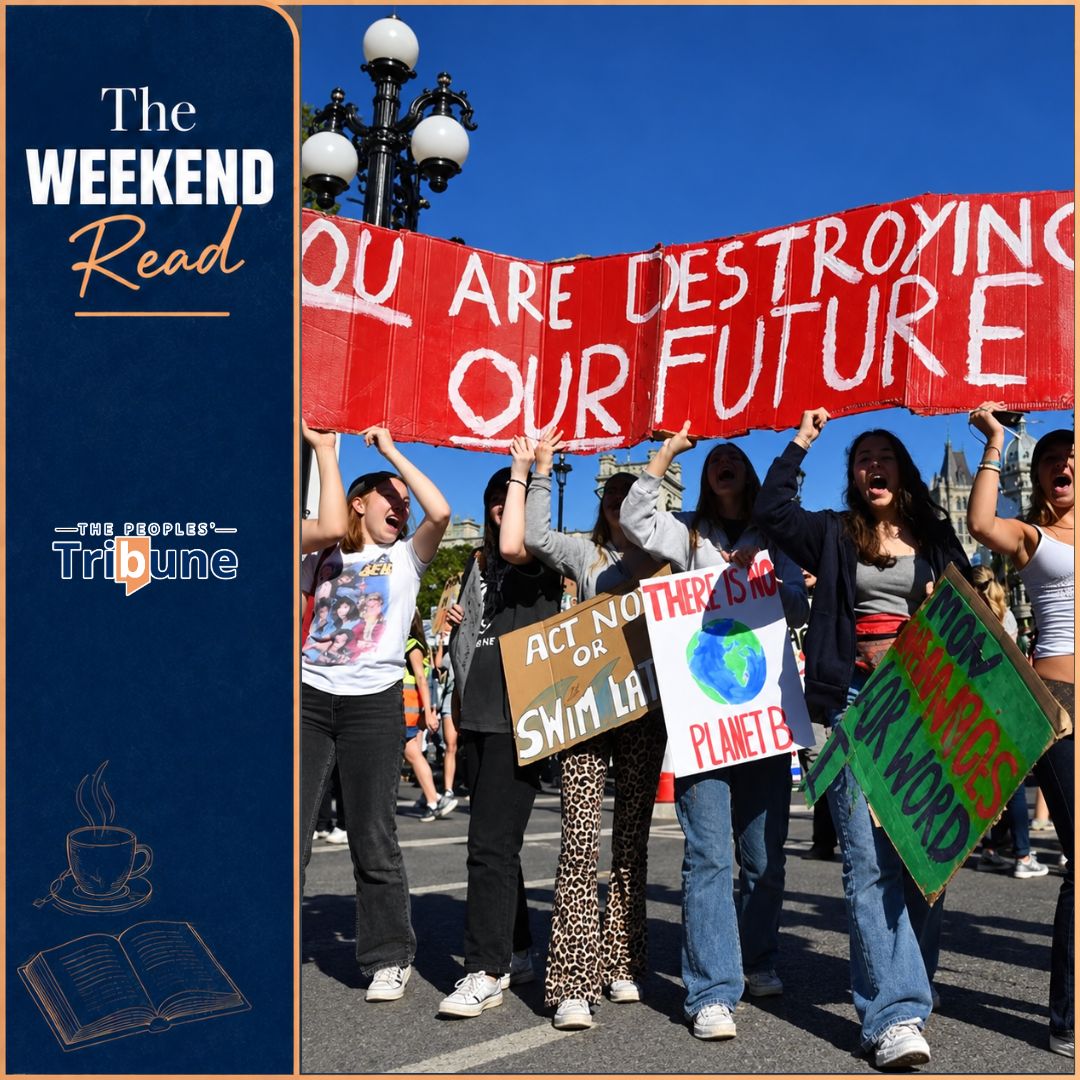
From the streets of Belgrade to the classrooms of France, from India's crowded universities to Brazil's political demonstrations, a generation of young people is making its voice heard. They are organizing, marching, challenging political leaders and, in some cases, changing the direction of entire governments. What connects these movements is a growing frustration with political systems that many young people believe are failing to deliver a future worth looking forward to.
The demonstrations are not identical, nor do all participants share the same political beliefs. Some demand the removal of governments, others support political candidates or seek reforms to education, employment and public services. But together, they reveal a generation increasingly unwilling to accept that decisions about its future should be made without its meaningful participation.
Serbia: From Student Protests to Political Victory
Perhaps the most remarkable example is Serbia, where student demonstrations grew into a political movement that defeated the country's longtime ruling party in parliamentary elections on October 25, 2026.
The movement began following the November 2024 collapse of a railway station canopy in Novi Sad, which killed 16 people. Students demanded accountability, accusing authorities of corruption and negligence, allegations disputed by the government. What began as demonstrations over a tragedy developed into a nationwide movement demanding political reform.
After nearly two years of mobilization, the student-backed electoral list secured approximately 53% of the vote, ending the parliamentary dominance of President Aleksandar Vučić's political movement. It was a remarkable victory for young activists who had been dismissed by some as inexperienced and unrealistic. Their next challenge will be proving that the demands which brought them into politics can become effective government policy.
India: Education, Employment and a Broken Promise
In India, thousands of young people mobilized in 2026 over examination paper leaks, educational fairness and limited employment opportunities. The demonstrations highlighted a deeper concern among students who spend years preparing for competitive examinations, often with considerable financial sacrifices by their families.
A protest movement that grew from online satire into nationwide demonstrations demanded accountability from education officials. Following weeks of mobilization, Education Minister Dharmendra Pradhan resigned in July, marking a significant victory for the protesters.
But India's frustrations extend beyond examinations. Young people question whether academic qualifications still provide a realistic path to financial independence when competition for employment remains intense. For many, the fear is that hard work and education no longer guarantee opportunity.
France: Young People Challenge the System
France has experienced weeks of student-led demonstrations over deteriorating educational facilities, teacher shortages, university admissions and living costs. Beginning in September 2026, protests expanded beyond schools and universities to include workers and other groups dissatisfied with government priorities.
By late October, the demonstrations had forced concessions from President Emmanuel Macron's government, including commitments to improve school facilities, expand educational opportunities and replace the university admissions system by 2028.
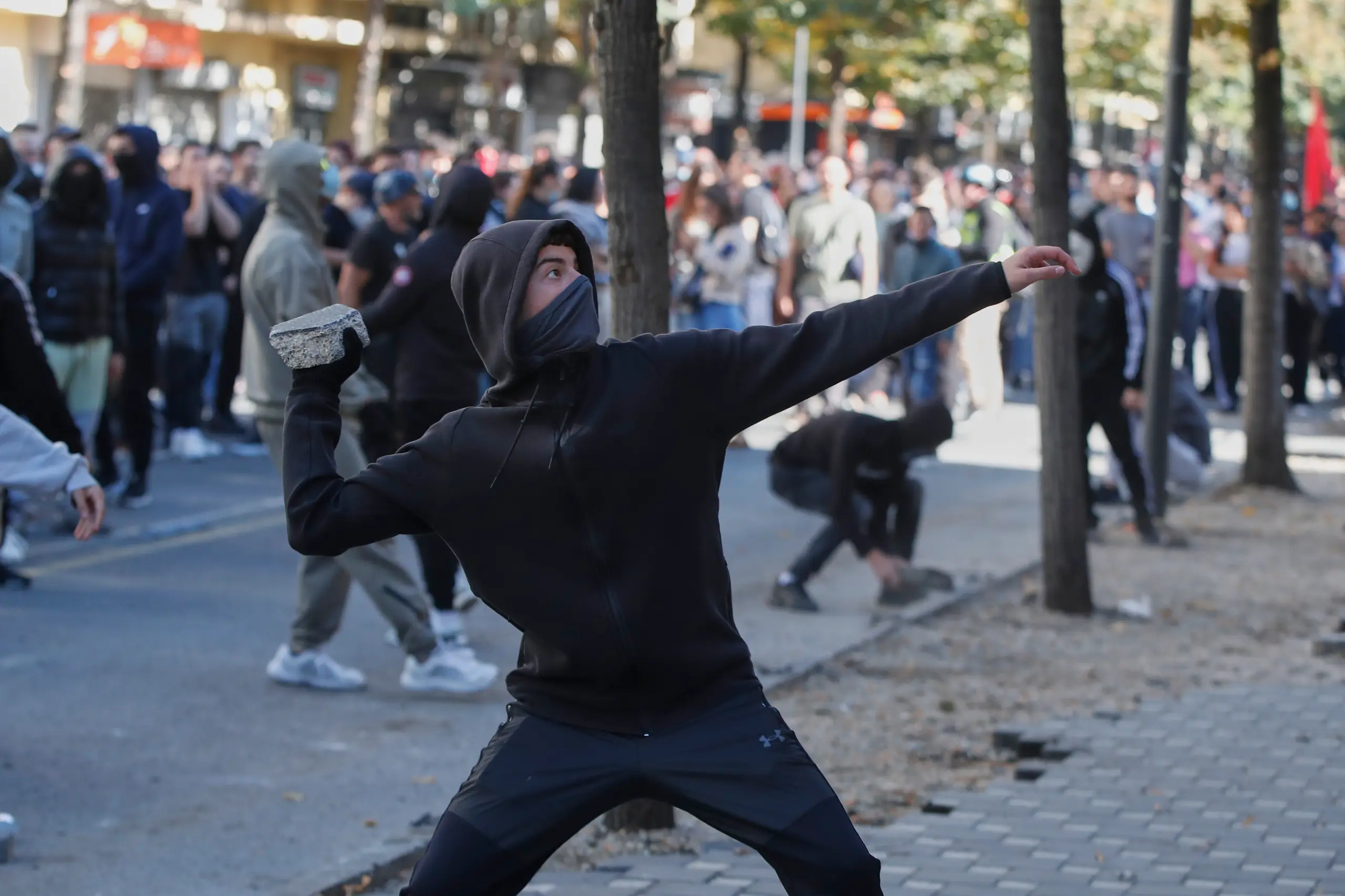
The protests have also witnessed violence, vandalism, clashes with police and extensive arrests, raising concerns about public safety and the protection of peaceful demonstrations. Nevertheless, the movement demonstrates how grievances originating in classrooms can develop into a national debate about inequality and government spending.
Brazil: Young People Enter the Political Arena
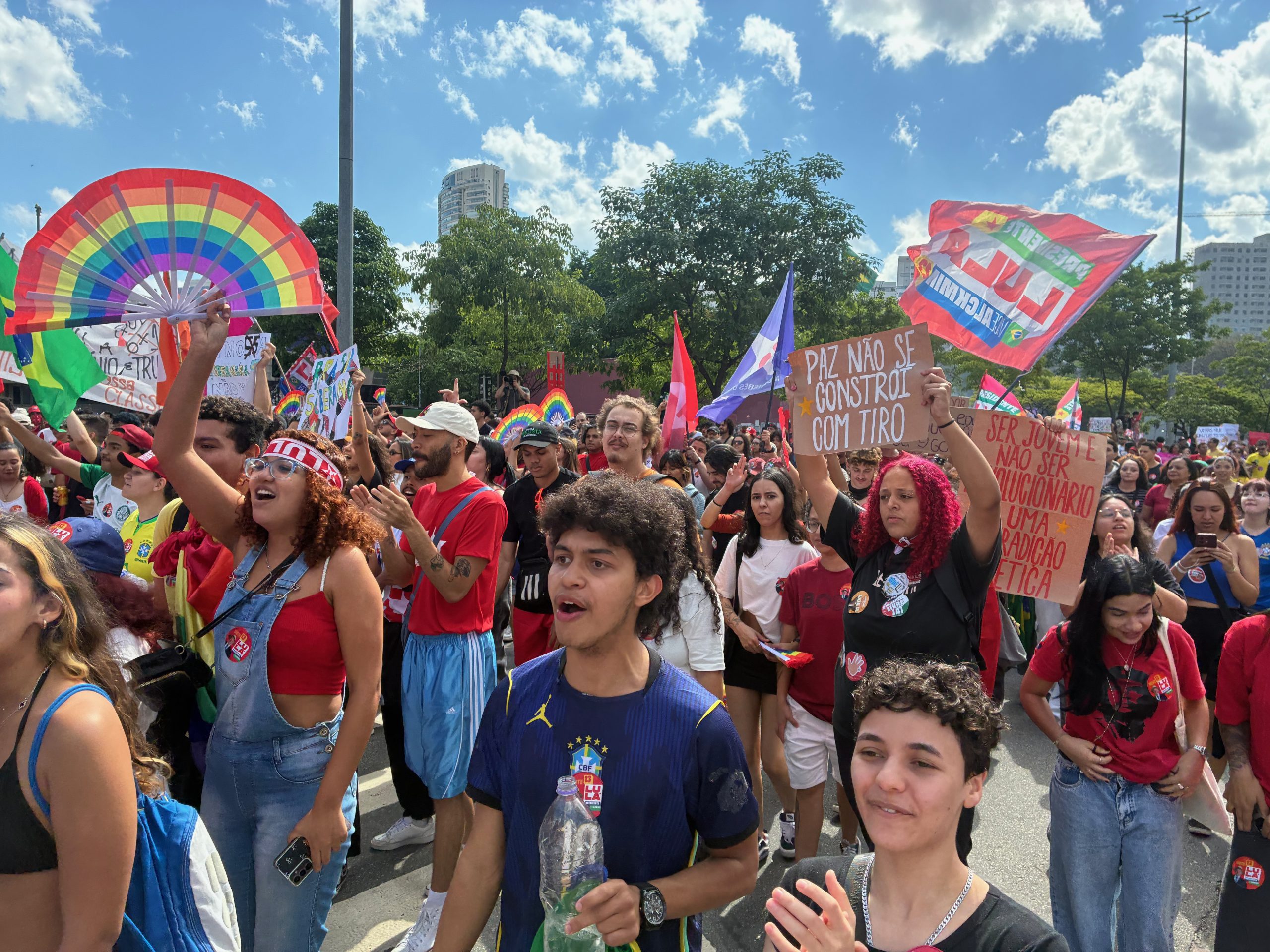
In Brazil, students have emerged as an important political force during the country's 2026 presidential election. Organizations including the National Union of Students mobilized thousands in demonstrations supporting President Luiz Inácio Lula da Silva's re-election campaign.
Their demands went beyond electoral politics, including better-funded public education, protection of social programs and an end to the country's six-day-work, one-day-rest employment schedule.
Brazil illustrates that youth activism does not always mean opposing the government. Sometimes it involves defending existing policies or supporting political leaders whom activists believe will protect their opportunities. The common factor is a determination to influence decisions rather than remain spectators.

Why Is This Generation So Frustrated?
Underlying these movements is a widening gap between what young people were promised and what many now experience. Education was presented as a pathway to stability, employment as a route to independence and democracy as a system through which their concerns would be addressed.
For millions, those expectations have become increasingly difficult to achieve.
The International Labour Organization reported that global youth unemployment reached 12.4% in 2025, representing approximately 67 million unemployed people aged 15 to 24. Even among those with jobs, insecure employment, inadequate wages and limited career progression remain serious concerns.
Housing affordability adds another burden. Young adults in many countries face rental costs that consume substantial portions of their income, leaving homeownership and financial independence increasingly out of reach.
A 2026 PwC survey of 5,591 young people across 42 countries and territories found that 64% identified the cost of living as their leading daily concern. Only 38% expressed confidence that governments would create opportunities for them over the following three years.
Beyond economic hardship lies a crisis of political trust. Young people see allegations of corruption, political favoritism and public money being mismanaged while schools, hospitals and infrastructure struggle. Many believe governments prioritize established political interests over the needs of younger generations.
Social media has also transformed activism. Digital platforms allow young organizers to coordinate demonstrations, document alleged abuses and share political messages across borders. But these platforms can also spread misinformation, deepen polarization and accelerate confrontations before facts are established.
What Governments Are Failing to Understand
Young people are not necessarily rejecting democracy. In many cases, they are demanding that it work better.
They want functioning institutions, fair access to opportunities, transparent leadership and an authentic role in shaping national decisions. Governments that respond only through condemnation, policing or promises without implementation risk deepening the very distrust they seek to overcome.
Protests, however, are not guaranteed to produce better governments. Movements can struggle to maintain unity, develop workable policies or deliver reforms once they gain political influence. Serbia's electoral victory will provide an important test of whether youth-led mobilization can become effective leadership.
A Lesson for the Caribbean
The issues driving demonstrations elsewhere should resonate throughout the Caribbean, where young people also confront high living costs, housing shortages, limited employment opportunities and concerns about political accountability.
For St. Maarten and its Caribbean neighbors, the lesson is not that youth unrest is inevitable. It is that meaningful youth participation must extend beyond occasional consultations, ceremonial appointments and election campaigns.
Governments must create credible opportunities for young people to influence education, economic development, housing and national priorities before frustration becomes alienation.
Across the world, a generation is discovering that collective action can change political outcomes. Whether that change produces stronger democracies and better living conditions remains to be seen.
What is increasingly clear, however, is that young people are no longer content to be described as the leaders of tomorrow while having little influence over the decisions being made today. They want a place in shaping their future, and they are demonstrating that they intend to claim it.