

Men can get breast cancer too: The warning signs too many men ignore
.jpg)
Every October, the world turns pink in recognition of Breast Cancer Awareness Month. Campaigns encourage women to schedule mammograms, examine changes in their breasts and learn about early detection. Yet one important group is often missing from the conversation: men. Although breast cancer occurs far more frequently in women, men can develop the disease too, and the widespread belief that breast cancer is exclusively a woman's illness can have serious consequences.
The American Cancer Society estimates that approximately 2,670 men in the United States will be diagnosed with invasive breast cancer in 2026, while about 530 will die from the disease. Fewer than one percent of breast cancer cases occur in men, making it relatively uncommon, but rarity should not be confused with impossibility. For men who develop the disease, early recognition and timely medical attention can make a considerable difference to their treatment and long-term outlook.
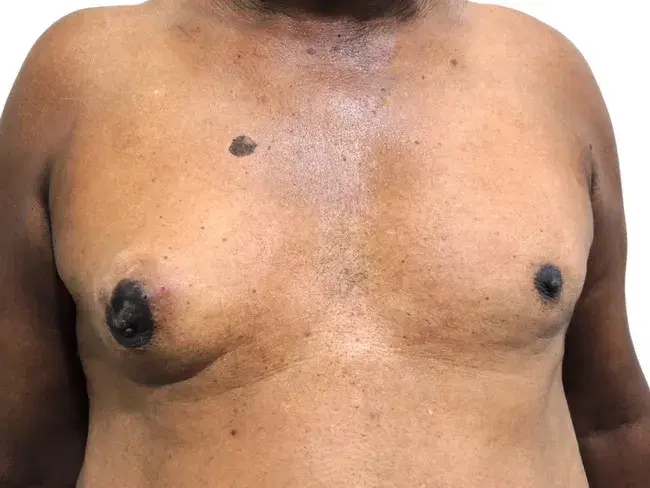
Why Men Can Develop Breast Cancer
Many people assume men cannot develop breast cancer because they do not have breasts in the same way women do. However, men have breast tissue, including ducts located beneath the nipple. Cancer can develop when cells within that tissue begin growing uncontrollably, eventually forming a tumor that may spread to surrounding tissue or other parts of the body.
Male breast cancer is most frequently diagnosed in older men, particularly those in their 60s and 70s, although younger men can also develop it. According to the American Cancer Society, the average lifetime risk for a man in the United States is approximately one in 755. That risk varies depending on genetic, hormonal and other medical factors, which means some men face significantly greater risks than others.
One of the greatest difficulties is that men rarely consider breast cancer when they notice something unusual around their chest. A small lump may be dismissed as fatty tissue, a minor injury or an ordinary physical change. Some may hesitate to discuss symptoms because breast cancer is so strongly associated with women. Others simply do not know that the disease exists in men, allowing potentially serious changes to go unexamined.
The Warning Signs Men Should Recognize
The most common warning sign is a lump or thickening in the breast, often near or beneath the nipple. The lump may feel firm and is frequently painless, which can lead someone to believe it is harmless. However, pain is not a reliable indicator of whether a lump is cancerous, and a painless abnormality should never be dismissed solely because it causes no discomfort.
Other possible symptoms include swelling, changes in the shape of the nipple, an inward-turning nipple, unexplained nipple discharge, particularly if it contains blood, and redness or scaling of the surrounding skin. Some men may also notice dimpling, sores that do not heal or swelling beneath the arm. These changes do not automatically indicate cancer, since infections and other noncancerous conditions can produce similar symptoms, but they require medical assessment.
The American Cancer Society notes that breast cancer in men is often discovered after symptoms develop rather than through routine screening. Because men generally have less breast tissue, a tumor may reach nearby skin, the nipple or surrounding structures relatively quickly. Combined with limited awareness and delays in seeking care, this helps explain why male breast cancer is sometimes diagnosed at a more advanced stage.
Family History Matters for Men Too
Genetics can play an important role in male breast cancer. Inherited changes in certain genes, particularly BRCA1 and BRCA2, can increase a man's risk of developing the disease. A family history of breast cancer, ovarian cancer, pancreatic cancer or certain forms of prostate cancer may therefore be relevant. Importantly, inherited cancer risks can come from either parent and can be passed from fathers to sons and daughters.
Other recognized risk factors include previous radiation treatment to the chest, obesity, certain liver conditions and hormonal disorders that increase estrogen levels. Klinefelter syndrome, a genetic condition affecting males, is also associated with increased risk. Having one or more risk factors does not mean a man will develop cancer, while some men who receive a diagnosis have no obvious risk factors at all.
Men with a strong family history should discuss their circumstances with a healthcare professional, who may recommend genetic counseling or testing. This information can help assess their own risks and those of relatives. Men diagnosed with breast cancer should also be offered genetic counseling and testing, since inherited mutations can influence treatment decisions and provide important information for their families.
.jpg)
Early Detection Can Change the Outcome
Unlike women, men are not generally advised to undergo routine mammogram screening because the disease is uncommon. However, men with a higher inherited risk may require individualized monitoring. For most men, the immediate priority is recognizing unusual changes and seeking medical advice rather than waiting to see whether symptoms disappear.
When breast cancer is suspected, a doctor may recommend a physical examination, mammogram, ultrasound or biopsy to determine whether cancer cells are present. Treatment depends on the type and stage of the disease and may involve surgery, radiation, chemotherapy, hormone therapy or targeted medications. Male breast cancer is treatable, particularly when discovered before it spreads.
The National Cancer Institute reports a five-year relative survival rate of approximately 95 percent for men whose breast cancer is diagnosed while still confined to the breast. That figure falls substantially when cancer has spread to distant organs. These statistics describe outcomes across groups of patients, not an individual's prognosis, but they reinforce why unexplained symptoms should be investigated promptly.
Awareness Must Include Everyone
For St. Maarten and the wider Caribbean, Breast Cancer Awareness Month presents an opportunity to expand public education beyond the audiences traditionally associated with the disease. Men should be included in awareness campaigns, family health discussions and community education efforts. Healthcare providers, employers and community organizations can help challenge the misconception that breast cancer is exclusively a women's health issue.
Families also have a role to play. Women who understand the importance of breast cancer screening can encourage the men in their lives to take unusual symptoms seriously. Equally, men should feel comfortable discussing changes in their bodies without embarrassment or fear of judgment. Seeking medical attention is an act of personal responsibility, not a reflection of masculinity.
Breast cancer awareness has helped millions of women understand the value of early detection. The same principle applies to men, even though their risks and screening recommendations differ. The goal is not to create unnecessary fear about a relatively rare disease, but to prevent ignorance or embarrassment from delaying potentially lifesaving care.
This October, the message should reach fathers, brothers, husbands, sons and grandfathers as clearly as it reaches women: Breast cancer does not affect women exclusively. A lump, nipple change or unexplained swelling deserves medical attention, regardless of who discovers it. Men may account for fewer than one percent of breast cancer diagnoses, but every man should know that he is not automatically excluded from that statistic.