

PMOS: Why the new name for PCOS could change the way women are diagnosed, treated and heard
.jpg)
For years, many women have walked into doctors’ offices with irregular periods, acne, unwanted facial hair, thinning hair, weight gain, fatigue, fertility concerns and a feeling that something was wrong, only to be told to lose weight, take birth control or wait and see.
Many eventually learned the name of the condition they were living with: polycystic ovary syndrome, better known as PCOS.
Now, that name has changed.
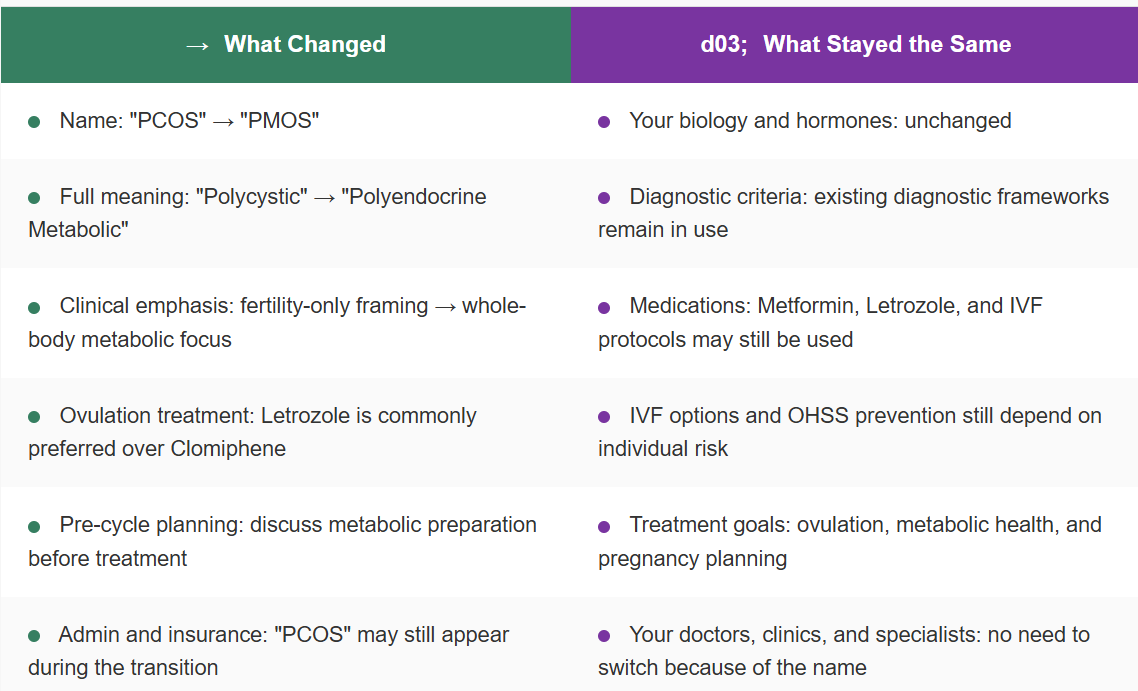
PCOS has been renamed polyendocrine metabolic ovarian syndrome, or PMOS, following a global effort by medical experts, researchers and patient advocates to give the condition a name that better reflects what it actually is: a complex hormonal and metabolic disorder that can affect multiple systems in the body, not simply the ovaries. EBONY’s The Black Wellness Edit recently highlighted the shift, noting that the new language is part of a broader effort to improve understanding, diagnosis and treatment.
For decades, the term PCOS created confusion. It suggested that the condition was mainly about ovarian cysts. But cysts are not always present, and experts have long said the word “cyst” was misleading. In fact, what many people call cysts in this condition are immature ovarian follicles, not dangerous cysts in the way many patients imagine. The name also kept attention fixed on reproduction, even though PMOS can affect insulin resistance, metabolism, skin, hair, mental health, heart risk and long-term disease risk.
That narrow focus contributed to a familiar pattern for many patients: delayed diagnosis, fragmented care and symptoms that were treated separately instead of being understood as part of a larger condition.
PMOS is now being described as one of the most common hormonal disorders affecting women. The Endocrine Society says the condition affects about 1 in 8 women, or more than 170 million women worldwide. The organization also notes that more than 50 patient and professional organizations were involved in the process that led to the new name.
The word polyendocrine recognizes that several hormone systems may be involved. Metabolic points to the role of insulin resistance, weight changes, blood sugar concerns and long-term risks such as type 2 diabetes and cardiovascular disease. Ovarian remains in the name because reproductive effects, including irregular ovulation and fertility challenges, are still important parts of the condition for many people.
This is not just a medical rebranding exercise. It is an attempt to correct a misunderstanding that affected how patients were treated.
For many women, especially Black women and women of color, that misunderstanding has been compounded by medical dismissal. Symptoms such as acne, facial hair, irregular periods, weight gain or hair thinning are often minimized, treated cosmetically or blamed on personal choices. Some patients spend years being told their symptoms are normal, stress-related or weight-related before anyone investigates the possibility of a hormonal or metabolic disorder.
PMOS can present differently from person to person. Some may experience irregular or absent periods. Others may struggle with acne, excess hair growth, scalp hair thinning, weight changes, darkened skin patches, skin tags, mood changes or difficulty becoming pregnant. Some may have insulin resistance or blood sugar concerns even if they do not fit a stereotypical body type. Others may not have obvious symptoms at first, but still face long-term health risks.
This is why the new name may help shift the conversation from “Do you have cysts?” to “What is happening across your hormones, metabolism, reproductive health and overall wellbeing?”
A patient with PMOS may need more than one type of support. Depending on symptoms and goals, care may involve a primary care doctor, endocrinologist, gynecologist, dermatologist, nutrition professional, fertility specialist or mental health provider. Treatment may include lifestyle support, help with insulin resistance, hormonal treatment, medications for acne or excess hair growth, fertility treatment when needed, and screening for long-term metabolic risks. The Associated Press reported that doctors hope the new name will lead to better awareness, earlier diagnosis and more individualized treatment.
That is important because PMOS is not the same experience for everyone.
For one patient, the most distressing symptom may be infertility. For another, it may be acne or facial hair. For another, it may be weight gain, insulin resistance or fear of diabetes. For another, it may be depression, anxiety or years of feeling unheard. Good care has to begin with listening to what the patient is actually experiencing.
The name change also arrives at a time when women are increasingly using social media to describe symptoms that were once kept private. That has helped many people find language for what they are experiencing. But it has also created space for misinformation, quick fixes and supplement-heavy advice that may not be appropriate for everyone.
PMOS requires medical evaluation. Irregular periods, abnormal hair growth, persistent acne, fertility challenges or signs of insulin resistance should not be ignored or self-diagnosed only through online content. Patients should be able to ask for hormone testing, metabolic screening and a full discussion of symptoms without being dismissed.
The deeper issue is that women’s health has too often been treated as a collection of isolated complaints. Acne goes to dermatology. Irregular periods go to gynecology. Weight concerns go to primary care. Fertility goes somewhere else. Anxiety or depression may be separated entirely. PMOS challenges that fragmented model because it reminds doctors and patients that the body does not operate in separate boxes.

It tells patients that the condition is not imaginary. It tells clinicians that the condition is not only about reproduction. It tells researchers and policymakers that this is a broader health issue requiring better funding, clearer guidelines and more accessible care.
For Black women, that message is especially important. Health care disparities, bias, underdiagnosis and delayed treatment are already part of the wider medical landscape. A condition that is misunderstood in the general population can become even more harmful when layered with racial bias and lack of access to consistent care.
A new name does not automatically create better doctors, shorter wait times, affordable care or more compassionate treatment. It does not erase years of frustration for patients who were told they were overreacting. It does not replace the need for stronger research into how PMOS affects different racial and ethnic groups.
It can help patients ask better questions. It can help doctors look beyond the ovaries. It can help families understand that PMOS is not simply a “period problem” or a fertility issue. It can help move the condition into the broader conversation about metabolic health, endocrine care and long-term wellness.
For too long, the old name left many people confused about what they were living with. PMOS gives the condition a more accurate frame. It recognizes that the issue is hormonal, metabolic, ovarian and often deeply personal. It also recognizes that patients have been asking for better language, better care and better answers for years.
The name has changed. The challenge now is making sure the care changes with it.
Because for the millions living with PMOS, the goal is not simply a new label. The goal is earlier diagnosis, better treatment, fewer dismissive encounters and a health care system that finally understands the full weight of what this condition can mean.
Source credit: This article is based in part on EBONY’s “The Black Wellness Edit: Understanding PMOS,” with additional background from The Lancet, the Endocrine Society and Associated Press reporting.