

The fight after leaving: “Are you going to wait until something happens to me?”

For nearly two years, Téphany Baptist says she struggled to convince a system designed to protect victims that the danger she faced was real. She reported incidents, submitted information, followed procedures and waited for meaningful intervention, all while fearing that her situation with a former partner could escalate into something far worse. Her greatest fear was not simply what might happen to her, but what would become of her young son if something did. At one point, frustrated by what she described as repeated inaction, she questioned whether authorities would only take her situation seriously after she had been seriously harmed or killed.
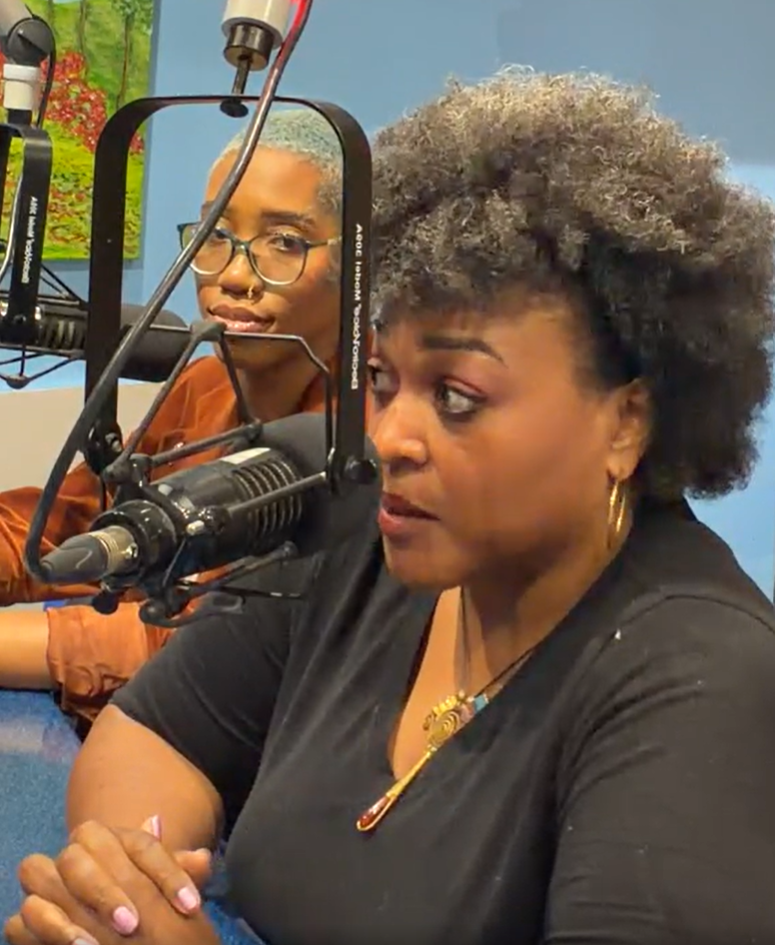
“Are you gonna wait till something actually happen to me to be like, ‘Oh, let me do something now,’” Baptist recalled asking. By then, she said, it might already be too late, leaving a child without his mother. Her account was among the most troubling revelations during an extended discussion on The Rundown with host Darryl York and Cassandra Richardson of Victim Support Services. What emerged was more than one woman's experience of domestic violence. It was an examination of how victims navigate St. Maarten's institutions, why some lose faith in the process and what happens when seeking protection becomes another exhausting struggle.
Baptist described an experience that left her emotionally drained and, at times, ready to abandon everything and leave St. Maarten. She recalled repeatedly having to explain incidents, provide documentation and approach different individuals without feeling that her safety had improved. Richardson, who eventually became involved through Victim Support Services, confirmed that Baptist had spent approximately the first year dealing with much of the situation without the organization's assistance. The frustration was compounded by uncertainty about what would happen next, particularly as the incidents continued and Baptist struggled to understand what more she was expected to do.
“I really was like ready to jump on a plane and just jump on a boat and just run away from it all,” Baptist said. She described the process as a series of hurdles, explaining that each apparent step forward seemed to bring another obstacle. For someone attempting to escape an abusive situation, the repeated requirements and delays became another source of distress. Her experience raised a question that should concern every institution responsible for protecting vulnerable residents: when someone reports feeling threatened, how long should that person have to struggle before the system provides a meaningful response?
She Recognized the Signs Because She Had Seen Them Before
One of the more revealing aspects of Baptist's account was her explanation of why she decided to end the relationship. She was only five years old when her parents separated, but the memories of that period remained vivid well into adulthood. When she began recognizing troubling patterns in her own relationship, she became determined that her son would not grow up carrying the same memories. He was just two years old at the time, and she believed she had to act before the situation became something he would remember throughout his life.
“This is not going to be his memory,” Baptist recalled telling herself. However, according to her account, the decision to leave did not bring the relief she expected. Instead, she described the situation becoming more intense as her former partner struggled to accept that the relationship was over. She recalled encountering responses that appeared to minimize her concerns, including suggestions that she should simply speak with him or wait to see what happened. For Baptist, those responses failed to recognize the danger she believed she was facing.
Richardson explained that this is precisely why domestic violence cannot be understood solely by examining individual incidents. She described abusive relationships as situations frequently driven by power and control, where one partner gradually limits the other's independence, choices and ability to leave. That control may involve intimidation, financial dependence, isolation or psychological manipulation long before physical violence occurs. She warned that separation can be an especially dangerous period because the abusive partner may react aggressively to losing control, making protection and proper risk assessment particularly important.
“Once the abusive partner loses that control, actually, that's where it is more risky,” Richardson said. She challenged the tendency to excuse threatening or persistent behavior as evidence that someone simply wants to reconcile. Constant unwanted contact, intimidation and actions that place another person's safety at risk should not be dismissed as romantic persistence, she argued. Such attitudes can leave victims feeling that their experiences are being minimized, particularly when the person accused of abusive behavior is familiar, respected or well-liked within the community.
When the Person Everyone Likes Is the Person You Fear
Baptist also spoke about how difficult it can be for outsiders to recognize abusive behavior when the person involved appears respectable and pleasant in public. She explained that her former partner initially appeared responsible, organized and focused on his future. The troubling behavior she later experienced was not immediately apparent. That public image, she suggested, can make it difficult for others to believe allegations of abuse, particularly when their own interactions with the individual have been entirely different.
“He could be the most delightful person ever,” Baptist said, explaining that people frequently judge others according to the versions of them they personally encounter. She recalled hearing disbelief from people who could not imagine the person they knew behaving in the manner she described. Richardson reinforced the importance of recognizing patterns rather than relying on appearances. Through her work, she uses assessments, including the power and control wheel, to help determine whether a relationship involves ordinary conflict or a pattern in which one person exercises control over another.
The discussion also addressed cultural attitudes that can normalize harmful relationships. Baptist pointed to generations of women who were encouraged to remain with partners despite mistreatment because marriage and family stability were considered responsibilities to be endured at almost any cost. She argued that these expectations can influence how victims interpret their experiences and how relatives, friends and institutions respond. When abuse is treated as something families should quietly manage, those seeking help may find themselves confronting not only the person harming them but also the beliefs of the community around them.

Why Leaving Is Not Always a Simple Choice
Richardson expanded the discussion beyond personal relationships to the economic circumstances that can keep people trapped. A woman who depends on her partner for housing, income or basic necessities may understand that she is being mistreated but have no realistic alternative available. Children, limited employment opportunities, immigration concerns and isolation from family can further complicate the decision. Richardson emphasized that counselors cannot simply instruct someone to leave without recognizing the potential consequences, particularly when doing so could expose that person to homelessness or increased danger.
She specifically identified St. Maarten's shortage of affordable housing as an issue that must be considered when addressing domestic violence. Residents earning minimum wage may struggle to secure independent accommodation, leaving some victims financially dependent on partners they want to escape. Richardson urged policymakers to recognize the connection between social conditions and personal safety. Without adequate housing and economic opportunities, the freedom to leave an abusive relationship can remain beyond the reach of people who need it most.
The effect on children was another central concern. Richardson explained that children do not have to be physically assaulted to experience harm from domestic violence. Witnessing repeated threats, conflict and fear can affect their behavior, emotional development and sense of security. She recalled encountering children who displayed anxiety and physical symptoms while living in highly stressful environments. For Baptist, protecting her son from those experiences had been a major motivation for leaving, particularly because she understood how childhood memories could remain with someone for decades.
When the System Finally Worked
Despite the difficult experiences described, the interview also offered examples of what effective intervention can accomplish. Richardson explained that once Victim Support Services became involved in Baptist's case, regular contact, emotional support and coordination with other institutions helped her navigate the process. Caseworkers maintained communication, followed up on developments and assisted with interactions involving the police, prosecutor and Court of Guardianship. The objective was not simply to reassure Baptist, but to help her maintain the documentation and support needed to pursue protection through the appropriate channels.
Richardson praised a prosecutor who took the time to document Baptist's account thoroughly, including incidents that occurred before she began receiving assistance from Victim Support Services. She also commended the judge involved, whom she believed had made an effort to understand the dynamics of domestic violence. According to Richardson, the legal proceedings ultimately resulted in Baptist obtaining sole custody of her child. The outcome was a significant development, although Richardson cautioned that survivors must sometimes remain vigilant even after receiving a favorable court decision.
The experience demonstrated the importance of consistent documentation, something Richardson strongly encourages among people experiencing abuse. Recording incidents, dates, circumstances and subsequent actions can help establish patterns that might otherwise be overlooked when individual complaints are considered separately. However, Baptist's account also illustrated the burden placed on victims who must continue gathering evidence while potentially remaining exposed to danger. The discussion raised the issue of how institutions can improve coordination so that individuals do not have to repeatedly recount traumatic experiences simply to keep their cases moving.
A Wider Problem That Requires More Than Awareness
Baptist explained that she has since encountered another woman dealing with stalking who was reluctant to pursue formal assistance because she feared the process would create additional problems. The woman did not want to experience the same difficulties Baptist had described. That reaction illustrated how damaging public uncertainty about victim protection can become. When seeking help is viewed as another ordeal, people may choose silence or attempt to manage threatening situations on their own, potentially leaving them without the support they need.
Richardson acknowledged that organizations and professionals on St. Maarten are doing valuable work, but maintained that important improvements remain necessary. She wants greater understanding of gender-based violence, more training for professionals and stronger coordination among the institutions responsible for assisting victims. She also indicated that educational initiatives and professional sensitization activities are being developed with regional and international partners. Her message was that prevention must begin with understanding unhealthy relationships, recognizing controlling behavior and teaching people that violence should never be accepted as an expression of love.
Ultimately, Baptist's testimony presents St. Maarten with a difficult question about the difference between having protective institutions and ensuring that people can actually rely on them. Her story includes shortcomings she believes prolonged her suffering, but also individuals whose intervention helped bring about a positive outcome. Both deserve attention. A survivor should not have to depend on exceptional persistence, personal connections or fortunate circumstances to obtain meaningful assistance. When someone finally finds the courage to seek protection, the system's responsibility is not merely to receive the complaint, but to respond in a way that recognizes the risk and supports that person's safety.
For Baptist, the journey was about protecting herself, protecting her son and refusing to allow another generation to inherit the trauma she remembered from childhood. Her experience is also a reminder that every report of domestic violence involves a person whose daily life may be shaped by fear, uncertainty and difficult choices that outsiders rarely see. The question she asked during the interview deserves an answer beyond her own case. When someone facing danger asks, “When am I actually gonna feel safe?” the response should not depend on how long that person can endure the struggle to be heard.
Call: +17215876477 If you or someone you know is a victim of crime, abuse, or trauma support is here for you in Sint Maarten.
