

Why Disney’s growing relationship with SXM could be bigger than cruise calls
.jpg)
GREAT BAY--The Disney Destiny’s inaugural call to St. Maarten on July 1 was easy to frame as another ceremonial moment in the cruise calendar: a new ship arrives, government and port officials board, plaques are exchanged, photographs are taken and the vessel sails away. But the developing relationship between Disney Cruise Line and St. Maarten deserves a closer look.
An article published this week by Disney-focused outlet Inside the Magic argues that “something big is brewing” between Disney and the island. Its conclusion is based largely on the projected increase in Disney Cruise Line visits to St. Maarten from two calls in 2026 to approximately 14 in 2027, with government indicating that further growth is being pursued for 2028. The official Government of St. Maarten announcement confirms those projected numbers.
The numbers are significant, but the larger opportunity for St. Maarten is the brand attached to them. Disney is not simply another cruise line adding St. Maarten to a deployment schedule. It is one of the world's most recognizable entertainment and family travel brands, and Disney Cruise Line is in the middle of a major global expansion. The company says its fleet now consists of eight ships, with five more planned by 2031, bringing the worldwide fleet to 13 vessels. Disney has also described its ships as global ambassadors for the wider Disney brand.
The value of Disney to St. Maarten should not be measured only by how many passengers come down the gangway, how many taxis leave the port or how much money is spent on Frontstreet on a particular day. Disney presents St. Maarten with something more difficult to purchase directly: association.
.jpg)
A destination can benefit from the company it keeps
Tourism destinations compete constantly for attention. St. Maarten competes with islands offering blue water, beaches, duty-free shopping and tropical weather. The Caribbean is filled with destinations capable of producing the same standard tourism vocabulary and imagery.
Disney has spent generations building an emotional relationship with families. Its business is based heavily on storytelling, trust, repeat visitation and the creation of memories that move across different parts of the company. Disney Cruise Line itself says its growth strategy allows it to reach guests who already know the Disney brand through its parks, films, television and other products. Disney executives have described the company's ships as brand ambassadors and have stressed the connection between cruise guests and Disney's wider entertainment ecosystem. When a destination becomes a repeated part of that travel ecosystem, the destination gains exposure to an audience that is already deeply engaged with the product carrying them there.
Disney is essentially putting the destination in front of family travelers, multigenerational groups and repeat Disney customers as part of a highly managed vacation journey. Disney's own St. Maarten destination material presents the island as a distinct port of call and offers a wide range of Port Adventures. Its current online listings show 32 excursion results connected to Philipsburg, covering categories including cultural experiences, nature, beach and water activities, sightseeing, family-friendly activities and more. That means Disney guests are not simply being told, “Here is a Caribbean island.” They are being offered multiple ways to experience St. Maarten.
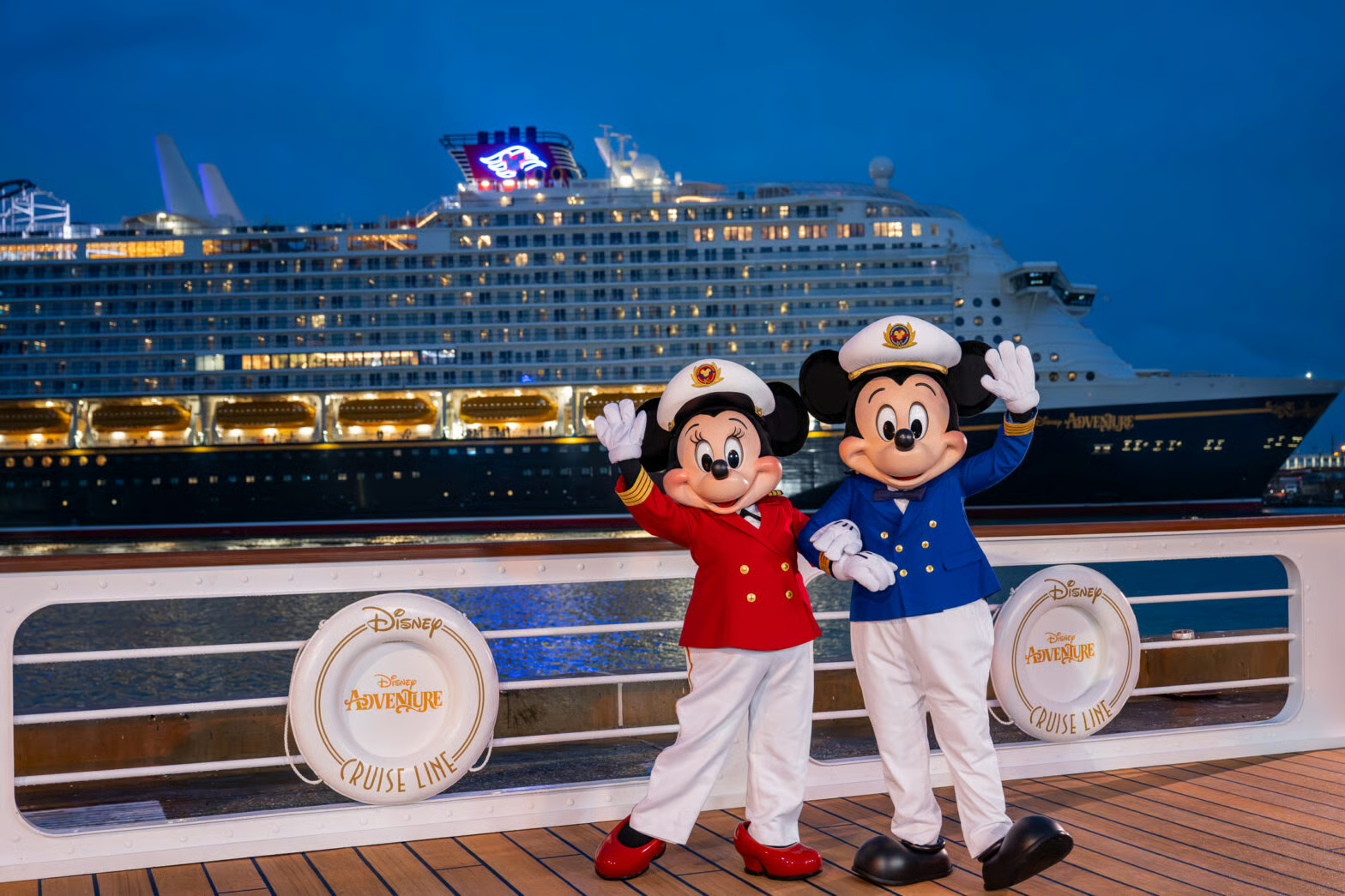
Disney can help St. Maarten reach the family travel market differently
St. Maarten has long been known as a cruise destination. It is known for shopping, beaches, nightlife, restaurants and the famous aircraft experience at Maho. What the developing Disney relationship can do is sharpen another part of the destination's tourism identity: St. Maarten as a family experience.
Inside the Magic specifically points to the potential for increased Disney visits to raise the island's profile among families and repeat cruise travelers. The Government of St. Maarten has similarly linked each Disney call to opportunities for taxi operators, tour companies, restaurants, retailers and attractions.
Having said that, Disney does not need St. Maarten to become Disney. St. Maarten's strength is precisely that it is not a manufactured theme park experience. It is a living destination with its own people, culture, food, history and personality. The opportunity is for St. Maarten to become better at presenting those qualities to the Disney traveler. A Disney family stepping off a ship should leave knowing more about St. Maarten than its beach temperature. They should leave with a story.
That story could be Philipsburg. It could be the island's dual-country reality. It could be carnival culture. It could be salt history. It could be music, food or a local family business. The next question for St. Maarten is whether more local operators can develop products that match the expectations of this specific visitor while remaining authentic to the destination.
The real prize is repeat awareness
Cruise tourism faces an old criticism: visitors arrive for a few hours, spend some money and leave. The Disney opportunity should be approached with a longer view. A Disney guest could discover St. Maarten on a cruise and return later for a stayover vacation. A family could hear about the destination through a cruise itinerary, research it online and add it to a future travel list. Children who visit today could remember the island years later.
Disney understands this model extremely well. Its executives openly discuss the connection between the company's different experiences and how one encounter with Disney can strengthen the customer's relationship with the wider brand. Disney Cruise Line President Joe Schott has explained that cruise ships introduce the company to new audiences and deepen connections with longtime Disney fans.
St. Maarten should think similarly and understanding that the cruise call is the first interaction. What happens after that? Does the visitor follow St. Maarten online? Can the destination reconnect with that visitor? Does the family understand that there are resorts, villas, restaurants and activities worth returning for? Are businesses actively converting cruise visitors into future stayover prospects? Fourteen calls in one year will bring visitors. A strategy built around those visitors can build future customers.
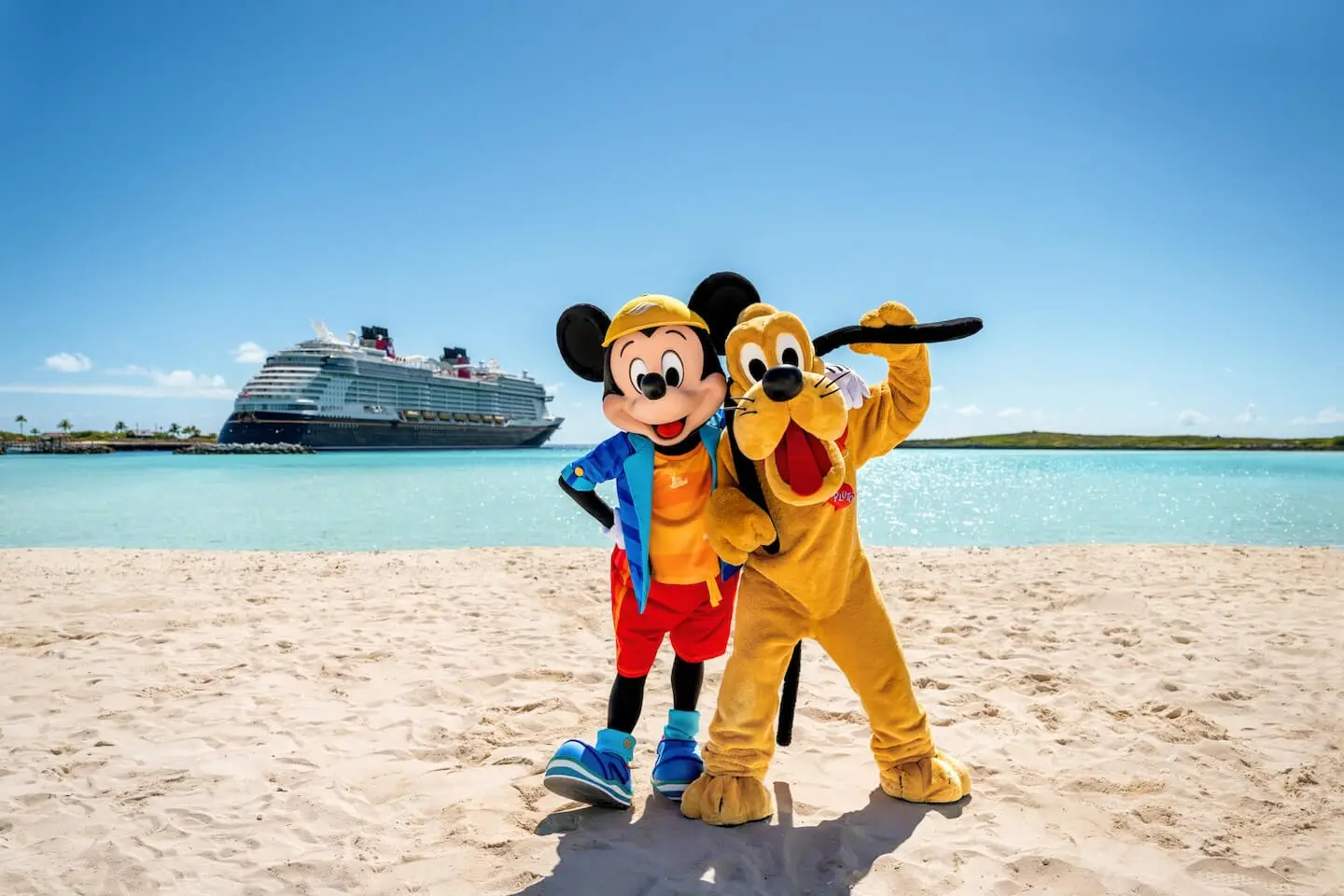
Disney's growth has created a window for St. Maarten
Timing also works in St. Maarten's favor. Disney Cruise Line is not maintaining a static fleet. It is in what the company itself has called a period of rapid growth and expansion. Five additional ships are planned between 2027 and 2031, with the worldwide fleet expected to reach 13. Disney has also expanded into Asia and continues to broaden its global reach.
Ports and governments will want a larger place in Disney's future itinerary planning. St. Maarten therefore has an opportunity, but not an entitlement. The projected jump to approximately 14 calls in 2027 suggests the relationship is moving in a positive direction. Inside the Magic interpreted the growth as a possible long-term commitment by both sides and said travelers should expect to see St. Maarten appearing more frequently on Disney itineraries, particularly in the Eastern Caribbean.
The destination now has to prove that more St. Maarten makes sense. That means arrival experience, traffic management, transportation, customer service and product quality become part of the Disney conversation. Tourism Minister Grisha Heyliger-Marten has already acknowledged that increased cruise tourism must be accompanied by improvements in traffic flow, transportation, visitor services and infrastructure. The government's stated position is that growth must benefit visitors and residents.
This is perhaps the most important part of the relationship. Landing a brand is one achievement. Growing with it is another.
The call count should not become the entire story
Disney's importance is the global weight of the name, the loyalty of its audience and the company's ability to create long-term emotional relationships with travelers. St. Maarten has spent decades proving that it can handle cruise ships. The Disney relationship creates an opportunity to demonstrate something more: that the destination can strategically align with a global travel and entertainment brand while still selling its own identity.
The island does not need a Disney castle. It needs to make sure that when thousands of Disney guests walk off a ship at Port St. Maaerten, they experience a destination strong enough to become part of their own family story. That may ultimately be where the real value of Disney to St. Maarten lies. Not only in bringing people here, but in helping introduce St. Maarten to an audience that remembers, returns and tells others where it has been.