





THE HAGUE--Vaccinating children against the human papillomavirus (HPV) could prevent nearly 12,800 cancer diagnoses over the lifetimes of children currently aged zero to nine in the Netherlands, according to new research released on Tuesday, November 24, by the Netherlands Comprehensive Cancer Organization (IKNL) and Erasmus Medical Center (Erasmus MC).
The findings highlight the benefits of HPV vaccination for both boys and girls, particularly following the introduction of a vaccine in September 2026 that provides protection against seven types of HPV associated with an increased risk of cancer. The previous vaccine targeted two cancer-causing types of the virus.
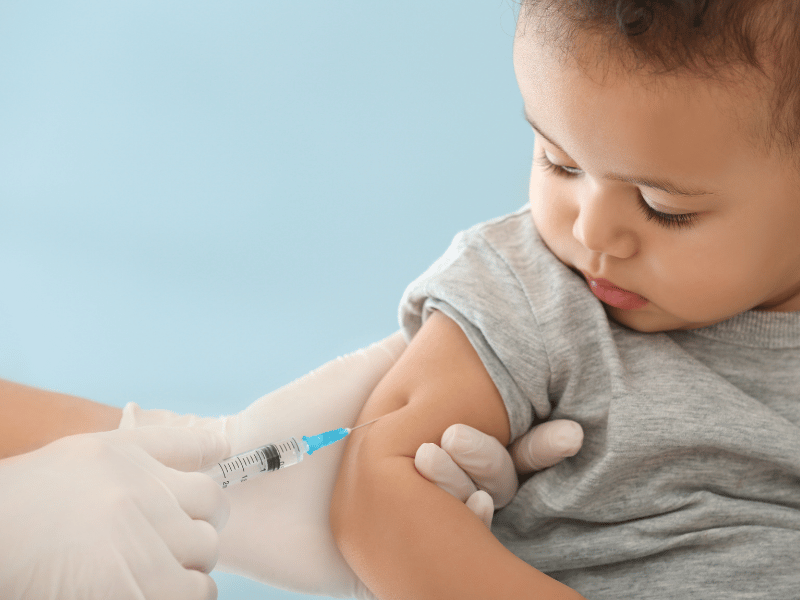
The researchers based their estimates on existing vaccination rates, with approximately 65 percent of girls and 57 percent of boys in the Netherlands receiving HPV vaccinations. Children are offered two doses around the age of ten under the Dutch National Immunisation Programme.
Based on these vaccination rates, researchers estimate that more than 9,200 cancer diagnoses could be prevented among girls currently aged zero to nine over the course of their lives. Cervical cancer accounts for the largest share of preventable cases, followed by other cancers affecting the anus, vagina, vulva and throat.
Among boys in the same age group, more than 3,500 future cancer diagnoses could be prevented. The largest projected reduction concerns oropharyngeal cancer, which affects the middle part of the throat, followed by anal and penile cancers.

Understanding HPV and its link to cancer
HPV is a common virus transmitted primarily through intimate sexual contact. According to IKNL, more than 80 percent of the population in the Netherlands will contract the virus at some point during their lives, frequently without experiencing symptoms.
In most cases, the body's immune system clears the infection without medical intervention. However, persistent infections involving certain types of HPV can cause cellular changes that eventually develop into cancer.
According to the Dutch National Institute for Public Health and the Environment (RIVM), approximately 1,200 women and 400 men develop HPV-related cancers annually in the Netherlands.
Vaccination at a young age is intended to protect children before they are likely to encounter the virus, reducing their risk of developing HPV-related cancers later in life.
Vaccination rates remain below international targets
Despite the projected health benefits, vaccination rates in the Netherlands remain below the World Health Organization’s target of vaccinating at least 90 percent of girls against HPV.
Researchers calculated that increasing vaccination coverage to 90 percent among both boys and girls could prevent approximately five percent more cancer diagnoses than projected under existing vaccination rates.
The research also accounts for herd immunity, whereby reduced transmission of the virus provides a degree of indirect protection to individuals who have not been vaccinated.
New vaccine offers wider protection
Since September 1, 2026, the Netherlands has been using Gardasil 9 under its National Immunisation Programme. The vaccine protects against seven HPV types associated with cancer and two additional types responsible for genital warts.
According to RIVM, both the previous vaccine, Cervarix, and Gardasil 9 have undergone extensive safety studies. Common side effects include soreness at the injection site, muscle aches, headaches and mild fever, which generally disappear within several days.
Children who previously received two doses of Cervarix do not require an additional Gardasil 9 vaccination under the Dutch programme.
Long-term benefits for public health
The findings were produced using scientific models that combined information from the Netherlands Cancer Registry, population statistics, vaccination coverage figures and existing research into HPV-related cancers.
The projected 12,800 preventable cancer diagnoses are calculated across approximately 1.75 million children, representing roughly seven cancer diagnoses prevented for every 1,000 children over their lifetimes.
Researchers hope the findings will help parents make informed decisions regarding vaccination while increasing awareness that HPV-related cancers affect both men and women.
The research also reinforces the role of vaccination and cancer screening in reducing the number of people requiring cancer treatment and experiencing associated long-term health complications.
While the projections are specific to the Netherlands, the findings are relevant to public health discussions throughout the Caribbean, particularly those concerning childhood immunization, cervical cancer prevention and awareness of HPV-related cancers among men.
The study did not provide specific projections or vaccination coverage figures for St. Maarten or other Caribbean jurisdictions.
Join Our Community Today
Subscribe to our mailing list to be the first to receive
breaking news, updates, and more.