

.jpg)


GREAT BAY--One of the most important questions during Breast Cancer Awareness Month is also one of the most common: When should a woman start getting mammograms?
The answer is not exactly the same for everyone. Age is an important factor, but family history, genetics, previous medical treatment and a woman’s overall risk of developing breast cancer can all influence when screening should begin and how often it should be done.
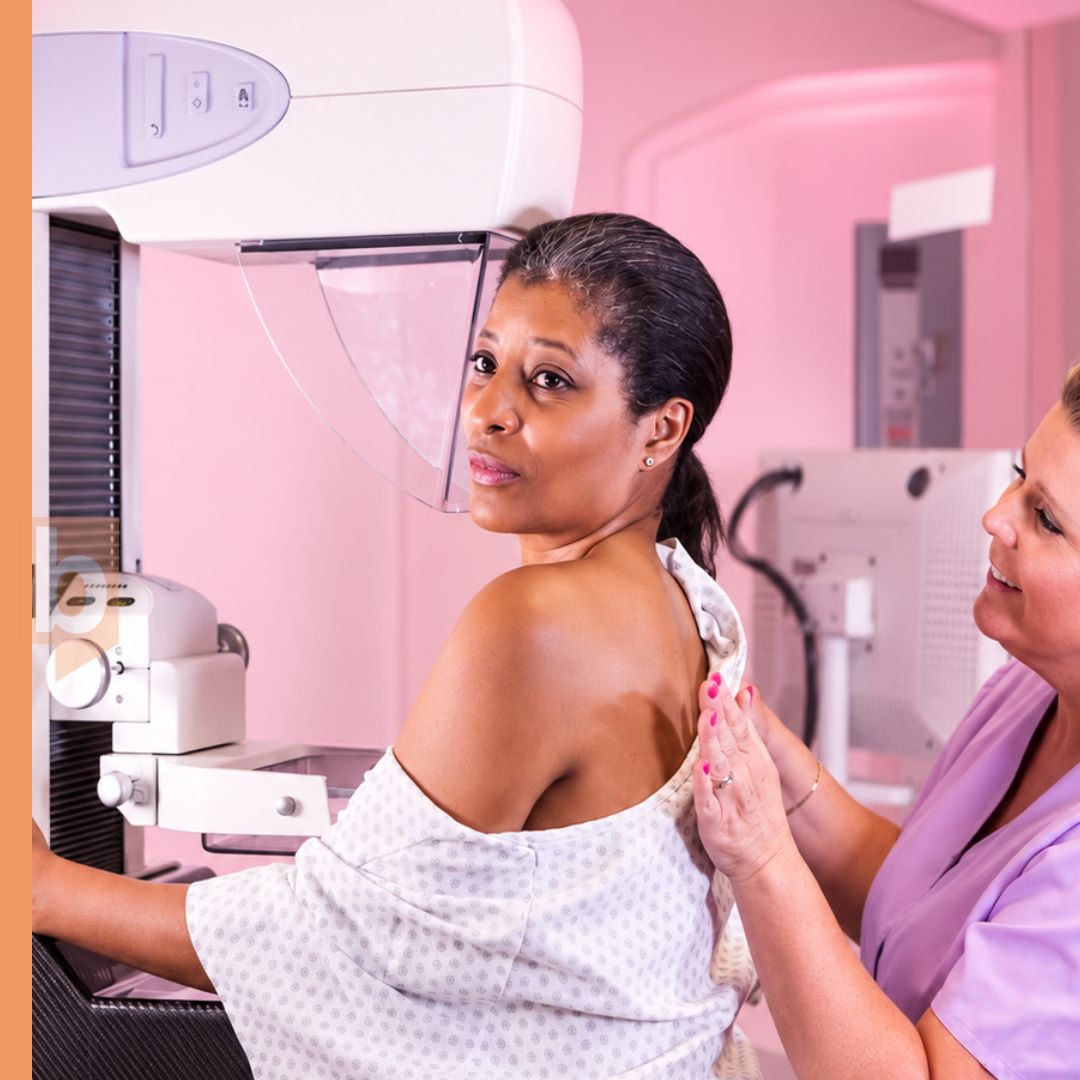
A mammogram is an X-ray examination of the breast used to look for signs of cancer that may be too small to see or feel. Screening mammograms are performed in women who have no symptoms. Their purpose is to identify breast cancer as early as possible, sometimes years before a noticeable lump develops.
For women considered to be at average risk, age 40 has increasingly become an important starting point for discussing regular breast cancer screening with a healthcare provider.
The U.S. Preventive Services Task Force recommends that women between the ages of 40 and 74 receive a mammogram every two years. The American Cancer Society uses a somewhat different schedule. It says women ages 40 to 44 should have the option to begin yearly mammograms, women ages 45 to 54 should receive mammograms every year, and women 55 and older can continue annually or switch to screening every two years.
The difference between recommendations can sometimes be confusing, but the larger message is clear: women should not wait until their 50s or 60s before beginning a conversation about mammography.
For some women, screening may need to begin much earlier.
Family history is one reason. A woman whose mother, sister or daughter has been diagnosed with breast cancer may have a higher risk, particularly if that relative was diagnosed at a young age. A family history that includes several relatives with breast cancer, ovarian cancer or certain other cancers can also warrant closer evaluation.
Having breast cancer in the family does not mean a woman will develop the disease. Likewise, having no known family history does not mean she is protected. Many women diagnosed with breast cancer do not have a close relative who previously had the disease.
This is why women should know as much as possible about their family medical history and share that information with their doctor.
Genetics can also play a major role. Inherited changes in genes such as BRCA1 and BRCA2 can significantly increase breast cancer risk. Women with certain genetic mutations, or those with a very strong family history suggesting an inherited cancer risk, may be advised to undergo genetic counselling or testing.
Women considered at high risk may require a more intensive screening schedule. In some cases, doctors recommend both an annual mammogram and breast MRI beginning around age 30. The appropriate starting age depends on the individual woman’s risk factors.
Another factor is previous radiation treatment to the chest, particularly radiation received at a young age for conditions such as lymphoma. Women with this medical history may also need earlier and more frequent breast screening.
Breast density can further complicate the issue. Dense breasts contain more fibrous and glandular tissue and less fatty tissue. Dense breast tissue can make some cancers more difficult to detect on a mammogram and is also associated with increased breast cancer risk. Women who are told they have dense breasts should discuss with their healthcare provider what that means for their individual screening plan and whether additional imaging should be considered.
It is also important to understand the difference between routine screening and investigating a symptom.
A woman who discovers a new breast lump, nipple discharge, skin dimpling, persistent swelling, a nipple that suddenly turns inward or another unexplained breast change should not wait until she reaches the recommended screening age. She should seek medical attention.
The same applies to a woman who recently had a mammogram but subsequently notices a new change. Mammograms are an important screening tool, but they do not detect every breast cancer.
Women should also remember that screening recommendations are intended to guide care, not replace conversations with healthcare professionals. Personal health history, family history and individual risk can change what is appropriate for one woman compared with another.
For this installment of The Peoples’ Tribune Breast Cancer Awareness Series, the message is straightforward: do not decide on your own that you are too young for a mammogram or assume that you do not need screening because breast cancer does not run in your family.
Know your family history. Understand your risk. Speak with your healthcare provider about when screening should begin and how often it should be done.
Because when it comes to breast cancer, knowing when to look can be just as important as knowing what to look for.
Join Our Community Today
Subscribe to our mailing list to be the first to receive
breaking news, updates, and more.
