


GREAT BAY--Young people on St. Maarten are reporting difficulties finding trusted adults to discuss abuse, uncertainty about confidentiality in schools and insufficient education about healthy relationships, according to findings in the Ombusman's November 2026 investigation into domestic abuse. Their accounts also reveal concerns about how children experiencing emotional distress are treated, the resources available to schools and the influence of violence in the home on young people's relationships.
The report by Ombudsman Gwendolien Mossel, titled "Behind Closed Doors: Hidden at home, felt by all," includes a chapter devoted to children and young people, drawing on discussions with teenagers, school care teams, youth organizations, care providers and parents. Beyond identifying shortcomings in the protection system, the investigation provides insight into what young people themselves are experiencing and the changes they believe are needed.
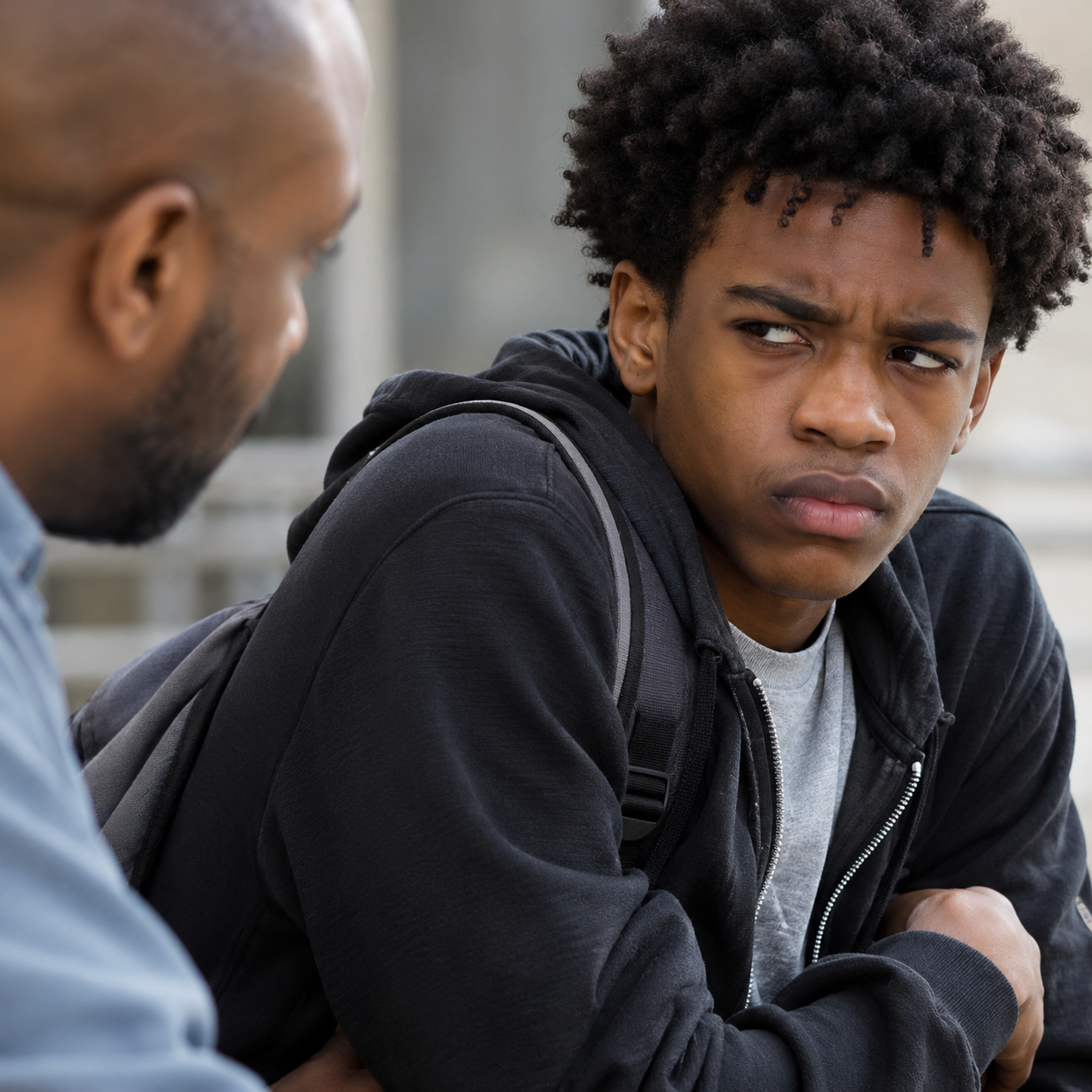
One of the findings concerns young people's reluctance to discuss abuse with parents or school counsellors. Participants said they feared being judged by parents, while others expressed doubts about confidentiality at school because counsellors and other staff sometimes have personal or social connections with students and their families. Some described situations in which bullying was dismissed as a joke or their emotional struggles were minimized by adults who compared those experiences with hardships they had faced growing up.
Teenagers also told investigators that they had not received enough education about domestic abuse and healthy relationships at an earlier age. Their concerns included controlling behavior in relationships, emotional manipulation and physical aggression, with some identifying restrictions on clothing and friendships as recurring sources of conflict. Social media was also identified by participants as contributing to the normalization of harmful relationship behavior.
The discussions revealed differing views among young people about corporal punishment. Although participants did not agree on whether all physical punishment was unacceptable, they generally considered excessive hitting, humiliation and discipline based on fear to be harmful. They also connected harsh discipline during childhood with the behavior some young people later accept in romantic relationships.
The investigation examined how childhood experiences can influence attitudes toward aggression and control. Youth organizations described encounters with young people whose behavior appeared connected to what they had experienced at home, including verbal aggression and emotional abuse. Concerns were also raised about girls whose self-esteem had been affected by negative experiences and perceptions surrounding skin color, potentially increasing their vulnerability in unhealthy relationships.
Schools reported that emotional difficulties among children are sometimes expressed through aggression, defiance, withdrawal, falling grades or changes in attendance. Educators warned that children who remain quiet can also be overlooked, particularly when they do not display visible injuries or disruptive behavior. In some situations, disciplinary measures are applied without the child's underlying emotional or psychological needs being fully examined.
One account described a girl who became withdrawn, cried frequently and struggled to attend school after experiencing conflict and abuse at home. Her brother responded differently, becoming angry, using inappropriate language and experiencing a decline in his academic performance. A teacher recognized the changes in the boy's behavior and worked with his mother to provide assistance, demonstrating the role educators can play in identifying children who are struggling.
The report also identifies concerns about the resources available to public and subsidized schools. Public school representatives described longstanding staff vacancies, inadequate facilities, delays in obtaining specialist services and difficulties assisting children with serious behavioral or educational needs. Some schools reported waiting months for referrals through the Student Support Services Division, despite acknowledging the assistance provided by that department.
A particularly contentious issue raised by public school care teams concerns the placement of children with special educational needs or behavioral difficulties. Several representatives claimed that subsidized schools can decline admission to certain students, leaving public schools responsible for accommodating them without corresponding increases in resources. Some described receiving students who had been expelled or transferred from other schools because of aggression, substance use or trauma.
The report records complaints from public school representatives that their responsibility to accommodate students with greater support needs is not adequately reflected in staffing and funding arrangements. Some schools also reported limited opportunities to obtain sponsorship or parental contributions, placing additional strain on their ability to provide services.
Subsidized schools reported challenges of their own, particularly their dependence on outside psychologists, counsellors and specialist service providers. Some indicated that children requiring additional assistance remain in regular classrooms without enough support staff, while delays in assessments and counselling affect the continuity of care.
The investigation also highlighted concerns about access to special education. One specialist school questioned an existing arrangement under which children must first enter regular education at age four before being referred to special education at age seven. According to the school, the arrangement can delay specialized assistance for children whose needs are already apparent at an earlier age.
Another concern involved students who require more support than regular schools can provide but whose circumstances do not qualify them for special education. One school reported receiving children with serious trauma, behavioral difficulties and substance-use problems, while lacking a suitable intermediate placement where those students could receive structured assistance.
The report documents concerns about marijuana, alcohol and vaping among students, including reports involving very young children. School representatives also questioned the enforcement of rules concerning absenteeism and the sale of substances to minors, while identifying cyberbullying and conflicts originating on social media as additional challenges affecting students.
Youth organizations provided further insight into the circumstances facing children outside the classroom. The Ujima Foundation, which provides residential and day-treatment services for children with emotional and behavioral difficulties, reported that many children entering its programs had experienced abuse or neglect. The organization described the need for early education on healthy relationships, communication and personal boundaries, alongside better support for parents.
Ujima also reported operating at full capacity with an active waiting list, while facing financial constraints associated with unchanged subsidies and rising operating costs. The organization said it relies on community donations and other funding support to maintain services for children requiring specialized care.
Voice of the Youth, which works with young people between the ages of 12 and 18, described how emotional and psychological difficulties can become apparent through changes in behavior during youth activities. The organization emphasized the role of mentorship, communication and supportive relationships in identifying concerns that young people may be unwilling to disclose through formal channels.
The Ombudsman's investigation also examined the experiences of young people who enter detention after difficult childhoods. Professionals reported histories of abuse and neglect among some young offenders, accompanied by substance-use problems and unresolved trauma. The findings raise concerns about the availability of sustained treatment and support for young people whose behavioral difficulties are connected to earlier experiences.
Young participants offered proposals for improving the response to abuse, asking for safe places where children and teenagers can speak without fear of judgment or exposure. They also called for complaints to be taken seriously and answered promptly, and for assistance to be easier to access when young people find themselves in unsafe situations.
In schools, participants favored interactive sessions, skits and activities led by young people over lectures and informational flyers. They also proposed structured parenting education covering emotional control, non-violent discipline and the effects of trauma, while emphasizing that young people should be involved in developing programs intended to assist them.
The Ombudsman recommends introducing age-appropriate education on respectful relationships, consent, boundaries, emotional regulation and domestic abuse into school programs. The report also calls for an evaluation of the Active Parenting Program and Positive Parenting Support Program to determine their reach and effectiveness, with accessible parenting support made available across schools.
In its response to the investigation's preliminary findings, the Department of Youth Affairs reported that the Active Parenting Program continues in several schools and that a locally developed Positive Parenting Support Program was introduced in 2022, with approximately 60 facilitators trained in 2023. The Ombudsman recommends measuring participation and outcomes instead of relying solely on the number of facilitators trained or activities organized.
The report places particular emphasis on involving young people in decisions affecting their welfare. Their contributions to the investigation show a demand for greater participation in developing prevention programs, more opportunities to discuss difficult experiences and school environments in which emotional distress is recognized and addressed before problems escalate.
The findings point to challenges extending from the home into classrooms, youth programs and personal relationships. They also identify specific areas in which schools, parents and institutions can respond, including earlier education, specialist support, accessible counselling and greater involvement of young people in shaping the services intended for them.
Join Our Community Today
Subscribe to our mailing list to be the first to receive
breaking news, updates, and more.